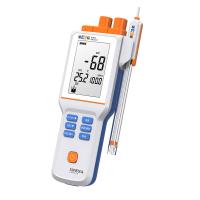
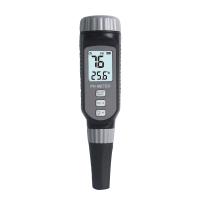
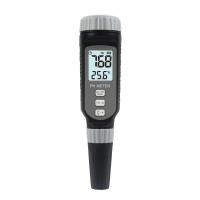
pH value is an important indicator for measuring the pH of a solution and is crucial to many industries such as chemical industry, environmental protection, food, medicine, etc. As a commonly used pH measuring instrument, the standard pH meter has the characteristics of high precision and reliability, and is widely used in various fields. This article will delve into the principle, structure, application and importance of standard pH meters in various industries.
Principle introduction
The working principle of a standard pH meter is based on the potential difference between a glass electrode and a reference electrode. When the glass electrode contacts the solution, the hydrogen ions in the solution react with the surface of the glass electrode, creating a potential difference. The reference electrode provides a stable electrical potential for calibration and comparison. By measuring the potential difference between the glass electrode and the reference electrode, the pH of the solution can be calculated. This principle enables the standard pH meter to accurately and quickly measure the pH of a solution, providing an important basis for quality control and production in various industries.
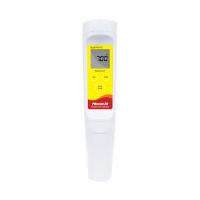
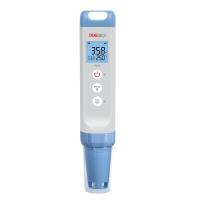
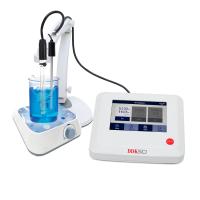
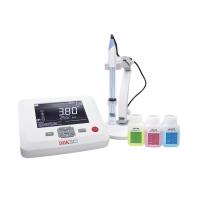
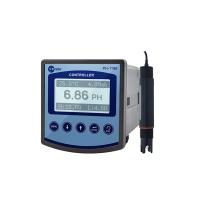
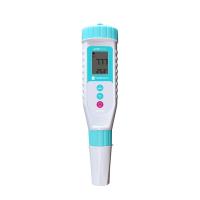
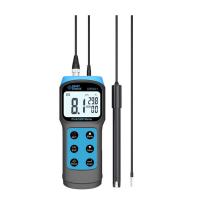
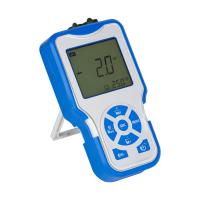
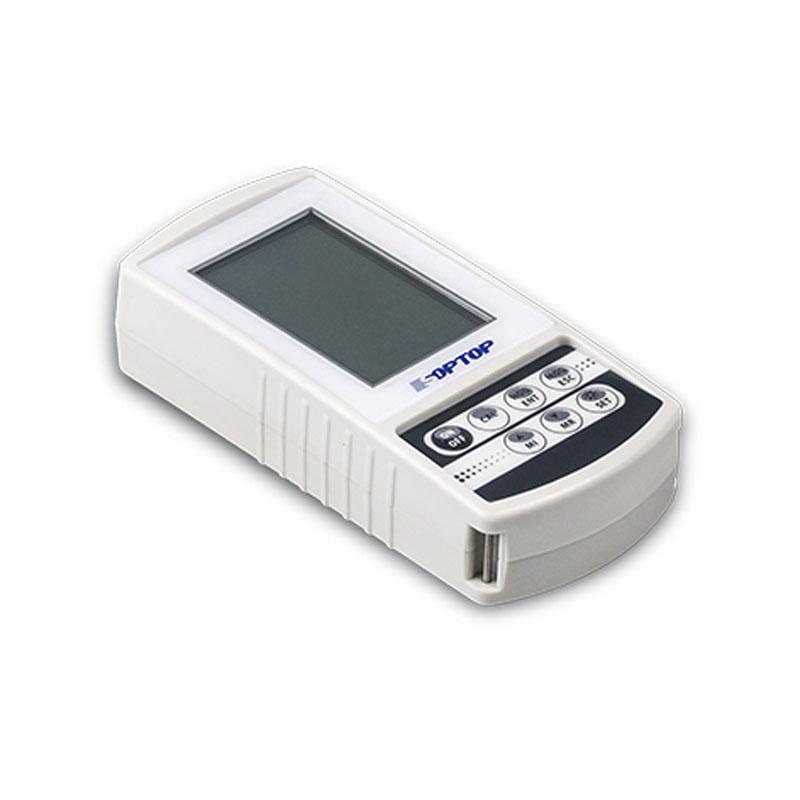
The main structure of a standard pH meter includes glass electrodes, reference electrodes, temperature compensation electrodes, circuit boards, display screens and other components. Among them, the glass electrode is the core component, responsible for measuring the pH of the solution; the reference electrode provides a stable reference potential; the temperature compensation electrode is used to compensate for the impact of solution temperature on the measurement results; the circuit board is responsible for signal processing and data display. Standard pH meters usually have the characteristics of simple structure, convenient operation, high accuracy, and good stability, and can meet various working environments and application needs.
Application scope
Standard pH meters are widely used in various fields to monitor the pH of solutions in chemical production processes to ensure product quality and production safety. It is used in environmental monitoring, water quality testing and other fields to monitor the pH of water, soil, atmosphere and other media to protect environmental safety. It is used to monitor the pH of food during the food production process to ensure food safety and hygiene. It is used to monitor the pH of drugs during the pharmaceutical production process to ensure the effectiveness and safety of drugs. It is used to measure the pH of solutions in laboratory research and scientific experiments to provide data support for scientific research work.
With the continuous advancement of science and technology and the changing market demand, standard pH meters will continue to develop and improve. In the future, we can foresee that standard pH meters will be more intelligent, portable, and multifunctional, suitable for a wider range of application fields, and provide greater support and guarantee for the development and progress of all walks of life.
Conclusion
As an important pH measuring instrument, the standard pH meter plays an irreplaceable role in chemical industry, environmental protection, food, medicine and other fields. Its precise measurement capabilities and stable performance characteristics provide reliable technical support for production and research in all walks of life, and make important contributions to ensuring product quality and production safety. It is believed that in the future development, standard pH meters will continue to play an important role and make greater contributions to the progress and development of human society.