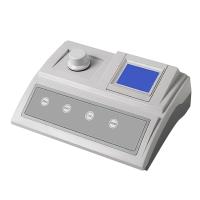
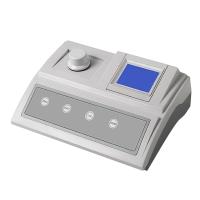
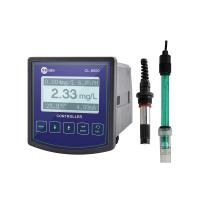
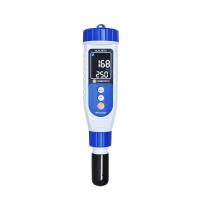
Tap water is an indispensable resource in people's daily lives, and the safety of water quality is directly related to people's health and quality of life. In the tap water treatment process, residual chlorine is a commonly used disinfectant, used to kill bacteria and microorganisms in the water and ensure the safety of water quality. As a key testing equipment, the water plant residual chlorine meter can accurately and quickly monitor the residual chlorine content in tap water to ensure the safety of drinking water. This article will introduce the principles and applications of residual chlorine meters in water plants and their important role in ensuring the safety of drinking water.
working principle
The residual chlorine meter in water plants mainly measures the residual chlorine content in water samples through chemical analysis or physical detection. Its working principle mainly includes the following steps:
For sampling, the water plant residual chlorine meter will automatically or manually take water samples from the tap water supply pipeline to ensure that the sample is representative.
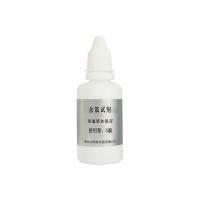
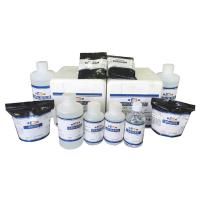
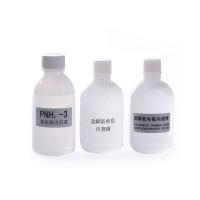
Reagent addition, adding a specific reagent to the sampled water sample, usually a reagent containing chlorine dioxide or chlorine dioxide. These reagents chemically react with residual chlorine in the water, producing a measurable signal.
For measurement and detection, the residual chlorine meter measures the signal generated after the reaction between the reagent and the residual chlorine in the water sample through optical, electrochemical or other physical detection methods, thereby determining the content of residual chlorine in the water sample.
The results show that after the measurement is completed, the residual chlorine meter will display the test results in the form of numbers or graphics on the screen, and at the same time, it can be output to a computer or data recording device through the data output interface.
Application scope
Residual chlorine meters in water plants are widely used in tap water treatment and water supply processes. The water plant residual chlorine meter can monitor the residual chlorine content in tap water in real time to ensure that the water quality meets relevant national and local standards and regulations. The residual chlorine meter can automatically control the dosage of disinfectant based on the real-time monitored residual chlorine content to keep the residual chlorine content in tap water within an appropriate range. When the residual chlorine content in tap water exceeds or falls below the preset threshold, the residual chlorine meter will sound an alarm to remind the operator to make adjustments and treatments to ensure water quality safety. The residual chlorine meter can record the data of each measurement and conduct analysis and statistics to provide scientific basis for water quality management and improvement.
As a key water quality monitoring equipment, the residual chlorine meter in water plants plays an important role in ensuring the safety of drinking water. The residual chlorine meter in the water plant can monitor the residual chlorine content in the tap water in real time, detect abnormal water quality in time, and ensure the safety of drinking water. The dosage of disinfectant can be automatically controlled to ensure that the residual chlorine content in tap water is within a safe and stable range.
Conclusion
As a key water quality monitoring equipment, the residual chlorine meter in water plants is of great significance for ensuring the safety of drinking water and improving the level of water quality management. By monitoring the residual chlorine content in the water in real time, automatically controlling the amount of disinfectant, and promptly detecting and processing abnormal water quality, the residual chlorine meter in the water plant can ensure the safety and stability of drinking water and provide people with high-quality drinking water. Therefore, the residual chlorine meter in water plants plays an irreplaceable role in water quality monitoring and management, and is worthy of further promotion and application.