ãintroductionã
With the continuous development of medical technology and people's increasing attention to health, patches, as a convenient, fast and effective form of drug administration, have been widely used in the medical and health care fields. As a base material for plaster patches, non-woven fabrics are also widely used because of their good air permeability, softness and comfort, and strong water absorption. In order to improve production efficiency and reduce production costs, coil coaters have been introduced into the patch production line, and coil coaters with cutting functions play an important role in production.
1. Overview of coil coating machine
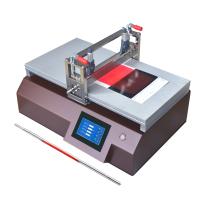
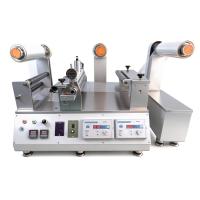
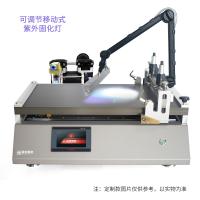
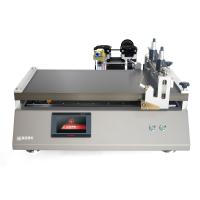
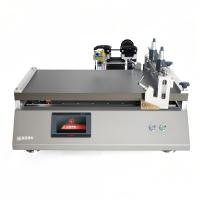
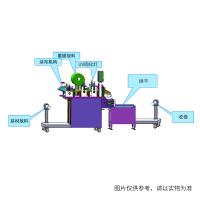
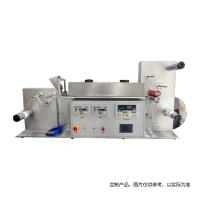
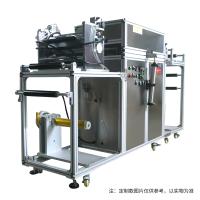
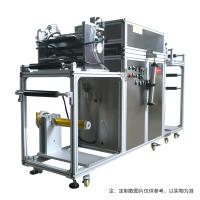
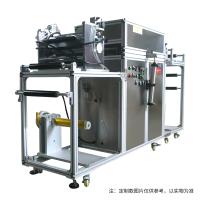
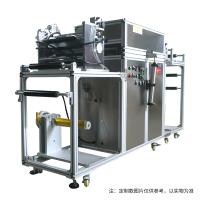
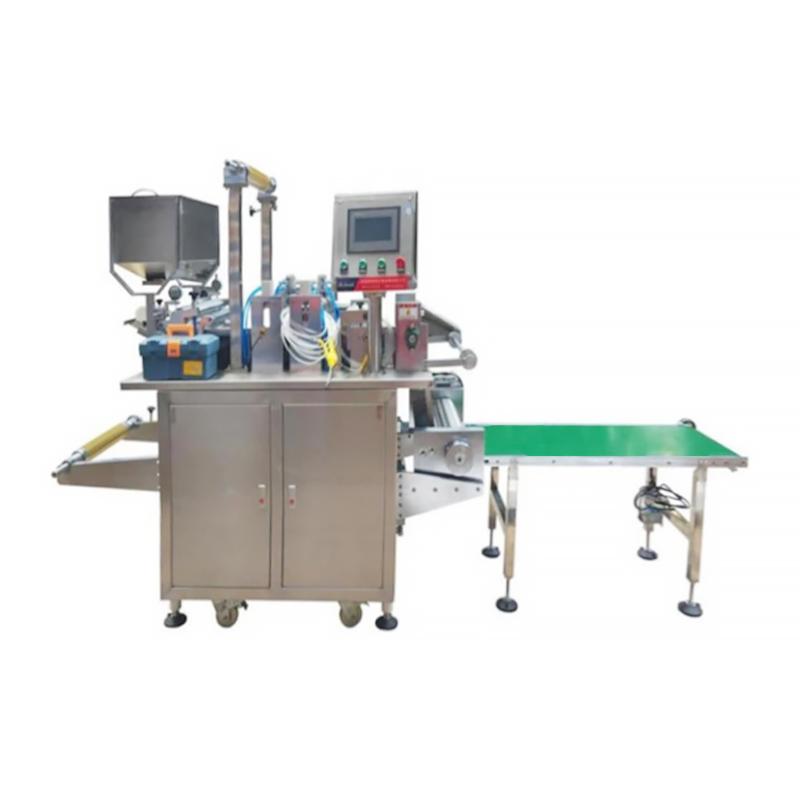
The coil coating machine is a continuous automatic coating machine with winding and unwinding functions. Its main components include supply system, coating system, drying system, winding system, etc. Its working principle is to apply paint evenly on the surface of the substrate through a coating roller, then solidify the paint through a drying system, and finally complete the winding.
2. Characteristics of non-woven fabrics and their application in plaster patches
Non-woven fabric is a new type of textile material that does not use fiber as the basic unit of fabric, but uses chemical, mechanical or thermal means to form fibers or their aggregates into a network structure. Non-woven fabrics have the advantages of good air permeability, softness and comfort, strong water absorption, and are not easy to slip off, so they are widely used in the production of plaster patches. The base material of the patch is made of non-woven fabric, which can improve the breathability and comfort of the patch, facilitate the skin's breathing and perspiration, and also better absorb drugs.
3. Application of coil coating machine in the production of plasters and patches
Coating system optimization: In order to ensure uniform and stable coating during the coating process, the coating system needs to be optimized. The first is the design of the coating roller. The surface of the coating roller should have a certain surface tension to ensure that the coating material adheres evenly to the surface of the substrate. The second is the pressure adjustment of the coating roller. By adjusting the pressure between the coating roller and the substrate, the coating thickness can be controlled to ensure the uniformity of coating. The last step is to control the coating speed. The coating speed needs to be reasonably adjusted according to the characteristics of the substrate and the rheology of the coating material to ensure the stability and quality of the coating.
Drying system improvement: The drying system is a crucial part of the coil coater, and its quality and efficiency directly affect the coating quality and production efficiency. In response to the needs of patch production, the drying system needs to be improved. The first is the control of drying temperature. The drying temperature needs to be set reasonably according to the curing characteristics of the coated material. It is necessary to ensure that the coated material can be completely cured and to minimize thermal damage to the substrate. The second step is to control the drying time. The drying time needs to be reasonably arranged according to the curing speed of the coating material and the water absorption of the substrate to ensure that the coating material can be cured within the specified time.
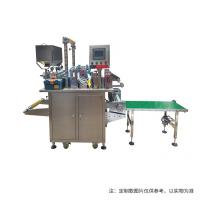
Cutting function: The cutting function is one of the important features of the coil coater in the production of plasters. In the traditional production process, coating and cutting are often performed separately. After coating is completed, the coated coil needs to be sent to the cutting machine for cutting. The coil coating machine with integrated cutting and coating functions can realize the integration of coating and cutting, greatly improving production efficiency and continuity of the production line. The realization of the integrated cutting and coating function mainly relies on advanced control systems and cutting devices. Through precise control and adjustment, coating and cutting can be realized simultaneously, thereby achieving efficient and continuous production.
4. Advantages of coil coating machines in the production of plasters and patches
Improve production efficiency: The coil coating machine with integrated cutting and coating functions can realize simultaneous coating and cutting, greatly improving production efficiency and reducing production line downtime.
Reduce production costs: The coil coating machine has a high degree of automation, is easy to operate, and does not require a lot of manpower input. It can reduce production costs and improve production efficiency.
Improve product quality: The coil coater has a precise coating control system and drying system, which can ensure the uniformity and solidification of the coated material, thus improving product quality and stability.
Strong adaptability: The coil coating machine can be adjusted and optimized according to different patch formulations and substrate properties, and has strong adaptability and flexibility.
5. Conclusion
Coil coaters play an important role in the production of plasters. Coil coaters with integrated cutting and coating functions are especially favored by manufacturers. As medical technology continues to develop and people pay more attention to health, as a convenient, fast and effective form of drug delivery, the demand for plaster patches in the medical and health care fields will continue to increase.