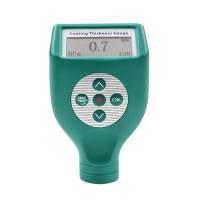
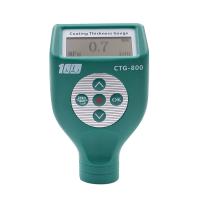
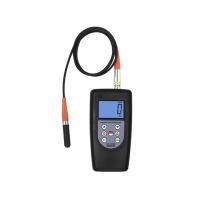
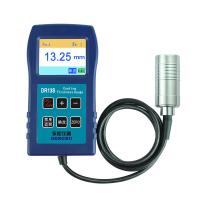
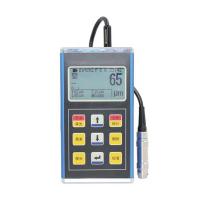
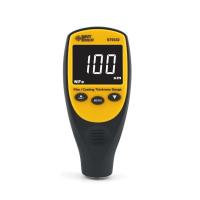
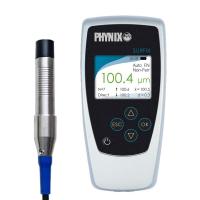
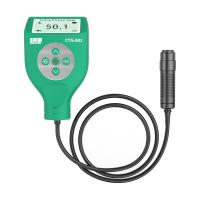
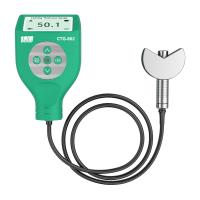
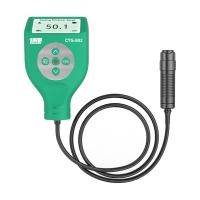
The pipeline Thickness Gauge is a special equipment used to measure the wall thickness of pipelines. It is widely used in pipeline safety monitoring and maintenance work in petrochemical, energy, chemical, shipbuilding and other fields. It uses non-contact measurement technology to monitor pipeline wall thickness in real time, promptly detect defects such as corrosion, wear, corrosion and cracks in the pipeline, and ensure the safe operation of the pipeline.
The purpose of pipeline Thickness Gauge
Pipeline Thickness Gauges are mainly used to quickly and accurately measure the wall thickness of pipelines. It can be applied to various types of pipelines, including metal pipelines, plastic pipelines, composite material pipelines, etc., as well as pipelines under various working conditions, such as buried pipelines, underground pipelines, submarine pipelines, etc. Its main function is to monitor defects such as corrosion, wear and cracks in pipelines, assess the health of pipelines, and guide pipeline maintenance and repair work.
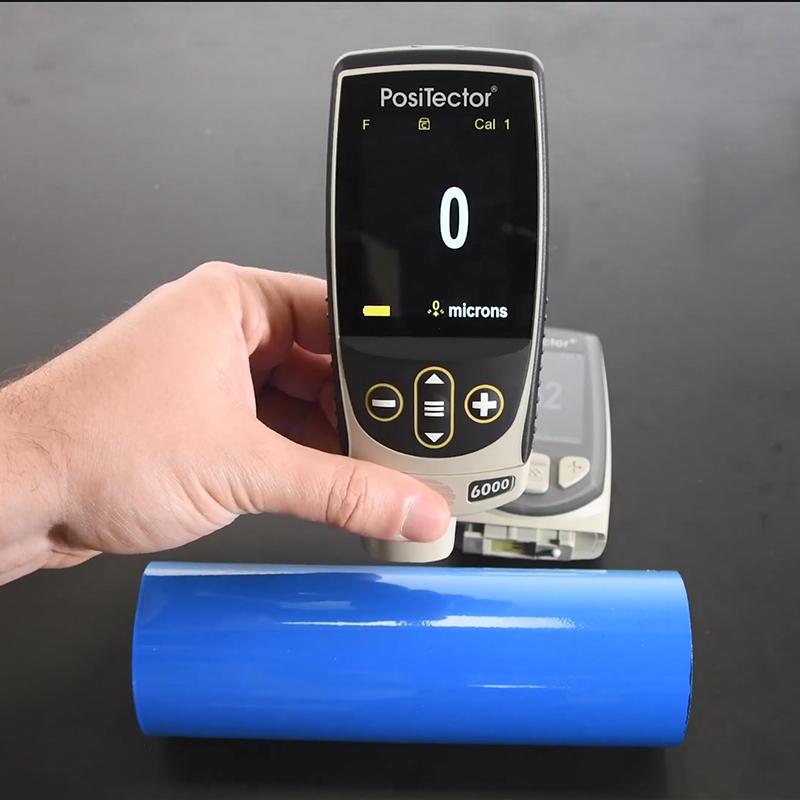
working principle
The working principle of pipeline Thickness Gauge is based on the principle of ultrasonic or electromagnetic induction. The ultrasonic Thickness Gauge transmits ultrasonic waves through the pipe wall and receives the reflected signal, and calculates the thickness of the pipe wall based on the propagation time and frequency of the signal. The electromagnetic induction Thickness Gauge uses the principle of electromagnetic induction to measure the changes in the electromagnetic properties of the pipeline wall and indirectly infer the thickness of the pipeline wall. These two principles of pipeline Thickness Gauges each have their own advantages and disadvantages, and the appropriate type can be selected according to actual needs.
Key points for selection
There are several factors to consider when selecting a pipeline Thickness Gauge. The first is the measurement range. Different types and specifications of pipelines require different ranges of measurement capabilities, so a suitable measurement range needs to be selected. The second is measurement accuracy. The accuracy of pipeline wall thickness is crucial to the safe operation of the pipeline, so it is necessary to choose a Thickness Gauge with higher measurement accuracy. In addition, factors such as measurement speed, working environment, and ease of operation need to be considered to ensure that the purchased pipeline Thickness Gauge can meet actual needs and improve the efficiency and accuracy of pipeline safety monitoring.
With the continuous development of science and technology, pipeline Thickness Gauges are also constantly being updated, and many new technological innovations have emerged. For example, some advanced pipeline Thickness Gauges are equipped with intelligent control systems and data processing functions, which can realize remote monitoring and data transmission, greatly improving the convenience and efficiency of pipeline safety monitoring. In addition, some pipeline Thickness Gauges are also multi-functional and can monitor and analyze multiple parameters at the same time, providing more comprehensive data support for pipeline safety management. As an important tool for pipeline safety monitoring and maintenance, pipeline Thickness Gauges play an irreplaceable role. By monitoring the wall thickness of pipelines in real time and discovering pipeline defects and hidden dangers in a timely manner, we can effectively prevent pipeline accidents, protect people's lives and property, and maintain social stability. With the continuous advancement of technology and the continuous expansion of applications, it is believed that pipeline Thickness Gauges will play a more important role in the field of pipeline safety and make greater contributions to the safe operation and sustainable development of pipelines.