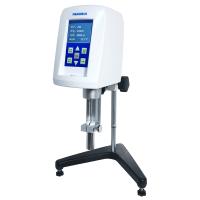
In the textile industry, the viscosity of slurry is a very important parameter, which directly affects the quality and production efficiency of textiles. The textile slurry viscometer, as an instrument specially used to measure the viscosity of slurry, plays a vital role in the textile production process. This article will deeply explore the principles, applications and future development trends of textile slurry viscometers.
Principle analysis
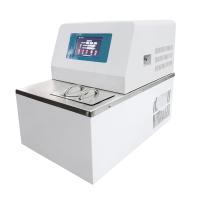
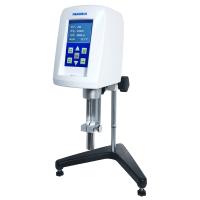
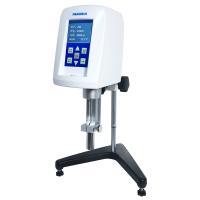
Textile slurry viscometer is a device used to measure the viscosity of textile slurry. Its main principle is to use the built-in rotor or pipe structure to measure the required time or rotation speed under the action of shear force in the slurry, thereby determining the slurry. viscosity. Its basic components include rotor, motor, display screen and control system. By controlling the rotation speed of the motor and recording the required time, rapid and accurate measurement of slurry viscosity can be achieved.

Application areas
Textile slurry viscometers are widely used in the textile industry. First of all, in the spinning process, the control of textile slurry viscosity is one of the important factors to ensure yarn quality. Through the measurement of the textile slurry viscometer, the formula and process parameters of the slurry can be adjusted in time to ensure the stability and consistency during the spinning process. Secondly, in the printing and dyeing process, the control of the viscosity of the textile slurry has a direct impact on the color and texture of the printed and dyed products. Through the measurement of textile slurry viscometer, it can be ensured that the viscosity of the printing and dyeing slurry is within the appropriate range, ensuring the smooth progress of the printing and dyeing process and the stable quality of the printed and dyed products. Furthermore, in the textile coating process, control of the viscosity of the textile slurry is critical to the uniformity and adhesion of the coating. Through the measurement of textile slurry viscometer, the viscosity of coating slurry can be adjusted to ensure the quality and performance of the coating.
With the continuous advancement of science and technology, textile slurry viscometers are also constantly undergoing technological innovation and improvement. In the future, with the development of sensor technology, data processing technology and other fields, textile slurry viscometers will become increasingly intelligent and sophisticated. By using advanced sensors and data processing algorithms, rapid and accurate measurement of slurry viscosity can be achieved, improving measurement accuracy and stability. In addition, with the digital transformation of the textile industry, textile slurry viscometers will also focus on integration with information systems to achieve real-time monitoring and remote control of data. Future textile slurry viscometers will pay more attention to data sharing and intelligent applications, providing strong support for intelligent manufacturing in the textile industry.
Conclusion
As a key device for measuring the viscosity of textile slurry, the textile slurry viscometer plays an irreplaceable role in the textile industry. By in-depth understanding of its principles, strengthening technological innovation, and continuously improving the level of intelligence and data-based applications, we can better meet the needs of the textile industry for slurry viscosity, improve production efficiency and product quality, and promote the development and progress of the textile industry. It is believed that in the near future, with the continuous advancement of science and technology, textile slurry viscometer will play a more important role in the textile industry, providing strong support for the industry's digital transformation and intelligent manufacturing.