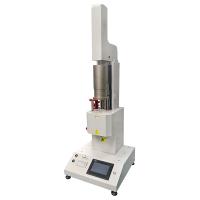
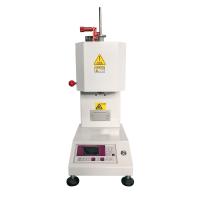
Xerography technology, as a common method of copying office documents, has been widely used in business and personal fields. In xerography, the quality of toner is directly related to the printing effect and durability. Among them, the melt index of toner is one of the key indicators to evaluate its performance. Accurate measurement of melt index is critical to the production and use of toner. Therefore, this article will introduce in detail the test method for the melt index of xerographic dry toner. This method is suitable for toners used in dry one-component and two-component developers for electrophotography.
Melt Index: Under specified conditions, the mass flow rate of toner melt, unit is grams per 10 minutes (g/10 min).
Test principle
The melt index test method for xerographic dry toners is based on the toner's fluidity under specific conditions of temperature and pressure. The toner sample is put into a cylindrical container, heated to melt at a specified temperature, and extruded from a small hole at the bottom of the container under a specified pressure. The melt index is calculated by measuring the mass of toner extruded within a specified time.
Instruments and devices
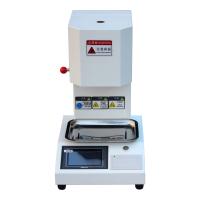
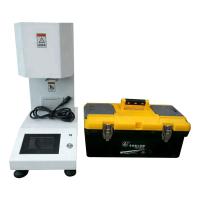
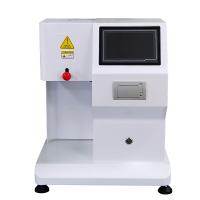
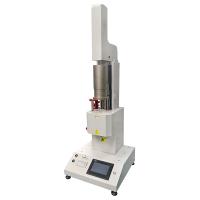
Melt index Tester - the basic structure includes barrel, piston, standard die, etc.
Accessory equipment : feeding rod, cutting and sampling tools, balance, loading funnel, stopwatch, cleaning supplies, etc.
The melt index Tester is a special instrument used to measure the melt index of toner. Its basic structure is as follows:
Barrel : The barrel is one of the main components of the melt index Tester and is used to accommodate the toner sample to be tested. Its structure is usually a cylindrical container, usually made of materials that are resistant to high temperatures, wear and corrosion, such as steel or ceramics. The inner diameter and length of the barrel need to comply with standard specifications to ensure that the toner sample can be fully melted and extruded under certain conditions. The barrel is usually equipped with a heating device to control the sample temperature.
Piston : The piston is a device used to apply pressure to squeeze the toner sample out of the barrel. The piston is usually made of the same or similar high temperature, wear and corrosion resistant material as the barrel, such as steel or ceramic. The design of the piston needs to ensure adequate sealing with the barrel to prevent toner from leaking from the sides, while ensuring unimpeded movement of the piston.
Standard die (Die): The standard die is located at the bottom of the barrel and is used to extrude toner samples and form splines. Dies are usually made of materials that are resistant to wear and high temperatures, such as tungsten carbide or hardened steel. The inner hole diameter and length of the die need to comply with standard specifications to ensure the extrusion quality and consistency of the sample. The end face of the die should be flat and perpendicular to the hole axis to ensure that the extruded sample has an accurate diameter and shape.
Heating System: The heating system is used to provide the required temperature conditions to heat the toner sample to a molten state. Usually, the heating device includes a heating element (such as a Heating Plate or electric heating wire), a temperature controller and a temperature sensor. The heating device needs to have a stable temperature control function to ensure the accuracy and stability of the temperature during the test.
Weights : Weights are used to apply pressure to push the piston to squeeze the toner sample out of the barrel. The quality of the weight needs to be selected according to the test requirements, and its mass accuracy needs to be ensured to ensure the reliability and accuracy of the test results.
Temperature Control System : The temperature control system is used to adjust and maintain the temperature conditions during the test. Temperature control systems usually include components such as temperature controllers, heating elements, and temperature sensors to ensure temperature stability and accuracy during the test.
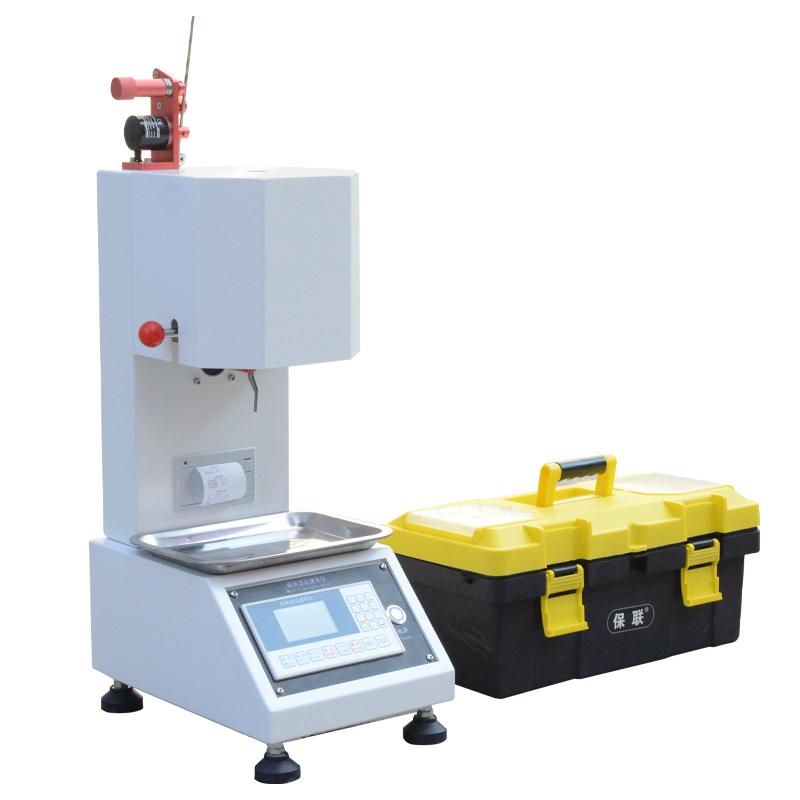
experiment procedure
For sample preparation, prepare 25g of sample to be tested.
Temperature control system calibration: Use temperature measuring devices to calibrate the temperature control system.
Preheating: Clean the instrument, install the standard die, heat to the predetermined temperature and maintain it for more than 15 minutes.
Adding the sample: Weigh the sample according to the expected melt index and add it to the barrel, and insert the weight of the corresponding mass.
Start the test: After returning to the predetermined temperature, start the stopwatch and cut the sample strips at specified time intervals until the piston drops to the specified position.
Spline weighing: Weigh after cooling and calculate the average mass.
Quality inspection: If the quality difference exceeds the specified range, retest.
test results
Calculate melt index: Calculate according to the formula, retain two significant figures.
Under specified conditions, the mass flow rate of toner melt, in grams per 10 minutes (g/10 min), is expressed by formula (1):
MI=600m/t
MI - melt index
mââthe arithmetic mean value of the mass of the toner melt passing through the standard die during the sampling time period, the unit is grams (g);
tââ Sampling time interval, unit is seconds (s).
experiment report
Commissioned test unit
Test standards and methods
Test Conditions
Test results and calculations
Differences in operating steps
Observation of abnormal phenomena
Test date and Tester
Through this method, the melt index of electrostatic copying dry toner can be accurately measured, providing reliable data support for the production and application of toner, and ensuring the stability and reliability of printing quality.