Summary:
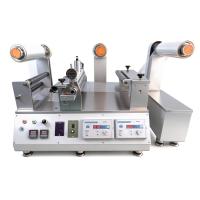
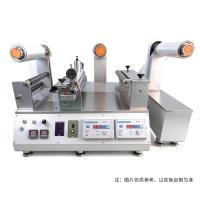
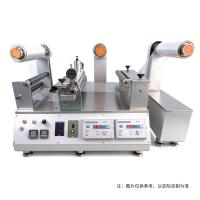
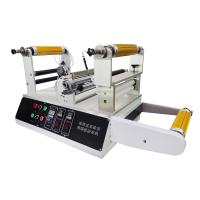
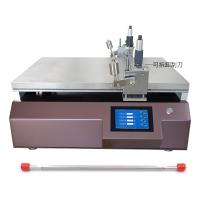
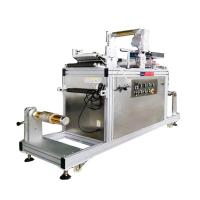
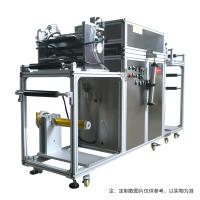
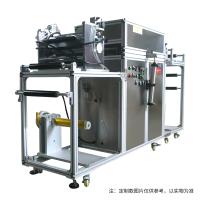
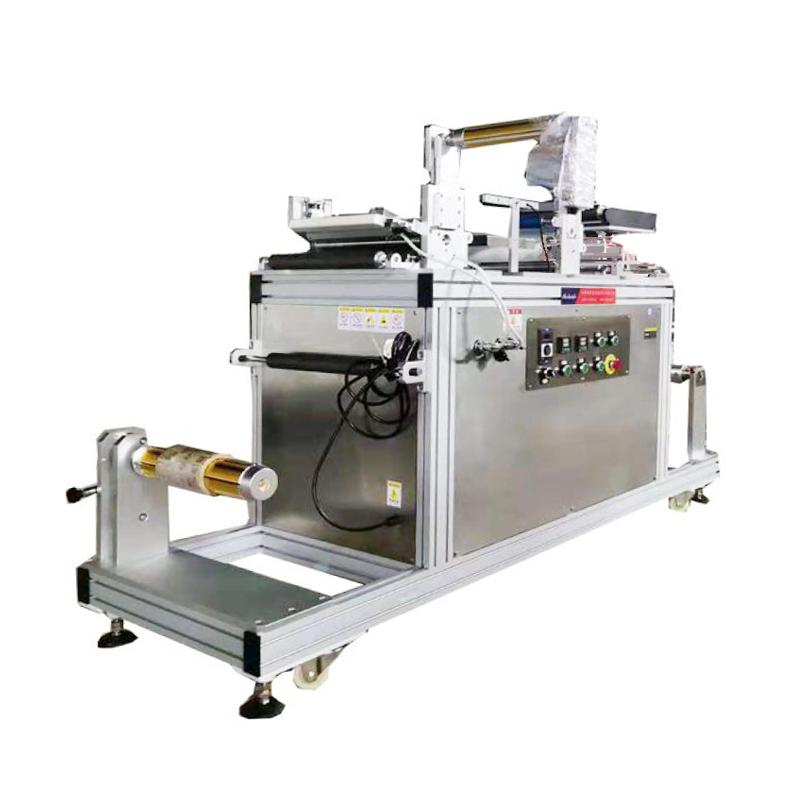
Laboratory hot melt adhesive coater is a piece of equipment widely used in laboratory environments and plays an important role in various fields such as textiles, packaging, medical devices, etc. This article will deeply discuss the working principle, technical characteristics, common applications and selection points of laboratory hot melt adhesive coating machines, providing detailed understanding and reference for practitioners and researchers in related fields.
Part One: Introduction
Laboratory hot melt adhesive coating machine is a special equipment used for coating hot melt adhesive on a laboratory scale. It is widely used in textiles, packaging, medical equipment and other fields. As a bonding material, hot melt adhesive plays unique advantages in laboratory research and small-scale production. This article will introduce in detail the working principle, technical characteristics, common applications and selection points of the laboratory hot melt adhesive coating machine.
Part 2: How it works
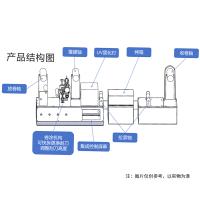
The working principle of the laboratory hot melt adhesive coating machine mainly involves the melting system, coating system and control system. Among them, the melt glue system converts the glue particles into a molten state through heating, the coating system evenly coats the molten glue on the surface of the substrate, and the control system is responsible for adjusting the coating parameters to ensure the coating effect. The article will elaborate on the working principles and interrelationships of these three key systems.
Part 3: Technical Characteristics
The laboratory hot melt adhesive coating machine can achieve high-precision coating on the surface of the substrate through a precise coating system. This is particularly important for applications requiring precise control in laboratory research and small-scale production.
The laboratory hot melt adhesive coating machine is suitable for many types of hot melt adhesives, including EVA (ethylene-vinyl acetate copolymer), PUR (polyurethane), etc. This diversity makes it flexible in different experiments and application scenarios.
Modern laboratory hot melt adhesive coating machines are equipped with advanced automated control systems that enable real-time monitoring and adjustment of the coating process through sensors and feedback mechanisms. This not only improves work efficiency, but also ensures the accuracy of experiments.
Part 4: Common Applications
Textile field
Laboratory hot melt adhesive coaters are widely used in the field of textiles, such as textile lamination, stitching, edge sealing, etc. Hot melt adhesive coaters can provide efficient and strong bonding effects.
Packaging industry
In the packaging industry, laboratory hot melt adhesive coating machines are often used in carton back sealing, sealing, edge sealing and other processes to ensure the firm adhesion of packaging materials and improve packaging quality.
Medical device manufacturing
The application of laboratory hot melt adhesive coating machines in the field of medical devices mainly includes the preparation of medical tapes, dressings, surgical supplies, etc. Its high-precision coating technology ensures the safety and reliability of medical devices.
Part 5: Key points for selection
1) Rubber adaptability
When selecting, it is necessary to consider the adaptability of the laboratory hot melt adhesive coating machine to different types of glue materials to ensure that the equipment can meet the specific needs in experiments and production.
2) Coating width and speed
According to the requirements of experiment and production, it is necessary to select equipment with moderate coating width and speed to ensure coating effect and production efficiency.
3) Stability of the control system
The control system is the core of the laboratory hot melt adhesive coating machine. Its stability and reliability need to be considered when selecting to ensure accurate control during experiments and production processes.
Conclusion
As a key equipment in the laboratory environment, laboratory hot melt adhesive coating machines play an irreplaceable role in textiles, packaging, medical equipment and other fields. By in-depth understanding of its working principle, technical characteristics, application fields and selection points, this technical tool can be better utilized for experimental research and small-scale production. In the future, with the continuous development of science and technology, laboratory hot melt adhesive coating machines are expected to usher in more innovations and expansion of application fields.