Tensile performance is the core mechanical property index of metal materials, which directly determines its bearing capacity and service reliability, and the heat treatment process can significantly change the tensile properties by adjusting the internal grain size, microstructure and phase composition of the material. Based on specific cases, this paper analyzes the influence of three common processes of annealing, normalizing and quenching + tempering on the tensile properties of mild steel plates, and provides a reference for engineering process selection.
In this study, Q235 mild steel plate was taken as the object, the specimen specifications were 10mm×5mm×100mm, and the same rolling process was used to ensure the uniform initial structure.

annealing processIt can eliminate residual stress, refine grains, and improve plasticity, and the test parameters are: heating 750°C, keeping warm for 2h, and slowly cooling with the furnace. The test showed that the average yield strength of the annealed specimen was 242MPa, the tensile strength was 378MPa, and the elongation was 28.5%, which was slightly lower but significantly improved compared with the unheat-treated specimen, which was suitable for scenarios with high plasticity requirements such as stamping.
Normalization processIt can refine the grain, uniform structure, take into account strength and plasticity, and the test parameters are: heating 880°C, insulation for 1h, air cooling. The test shows that the yield strength of the sample after normalization is 268MPa, the tensile strength is 412MPa, and the elongation is 24.3%, which is suitable for structural parts with balanced requirements for comprehensive performance.
Quenching + temperingIt is the core process of material strengthening, quenching to obtain martensitic to improve strength and hardness, tempering to eliminate stress, to avoid embrittlement, test parameters: quenching 860 °C insulation for 1 h water cooling, tempering 200 °C insulation for 1.5 h air cooling. The test shows that its yield strength is 356MPa, tensile strength is 528MPa, and elongation is 18.7%, which greatly improves strength but decreases plasticity, and is suitable for scenarios with high strength requirements such as mechanical drive shafts.
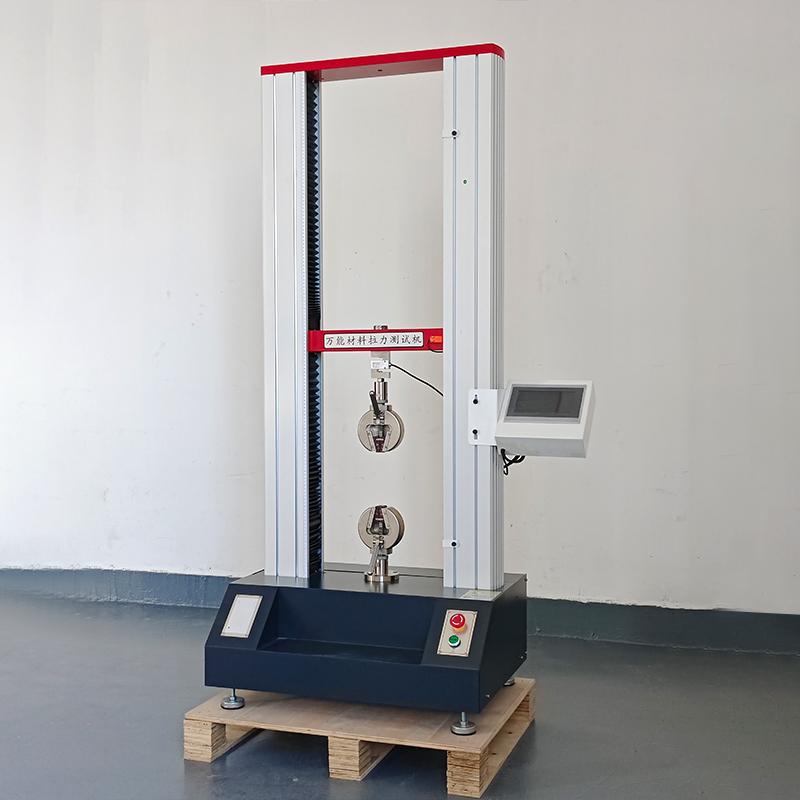
The results showed that the three processes had significant differences in the regulation of tensile properties of Q235 steel plates: annealing focused on improving plasticity, normalizing comprehensive performance was better, and the quenching + tempering strengthening effect was obvious. The core of its regulation is to change the temperature and cooling speed to regulate the internal grain and tissue morphology, which in turn affects the tensile performance.
In summary, the influence of different heat treatment processes on the tensile properties of metal materials is clear, and the type needs to be selected according to the needs of the project: annealing is preferred for plasticity, normalization is preferred for comprehensive performance, and quenching + tempering is preferred for strength. This case provides a direct reference for the process selection of mild steel plates, and also provides ideas for the performance control of other metal materials.
