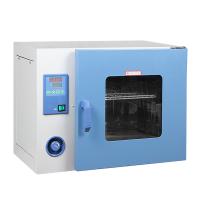
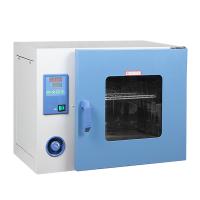
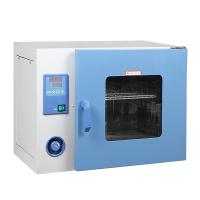
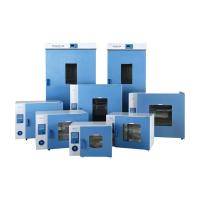
Tunnel furnace oven is a common industrial heat treatment equipment, widely used in food processing, chemical industry, medicine, building materials and other fields. This article will introduce the working principle, application fields and key points of selection of tunnel furnace ovens. This article will introduce to you the principles, applications and key points of selection of tunnel furnace ovens.
principle
The working principle of the tunnel oven is based on the heat transfer effect of hot air on the object. Its structure usually includes a feed port, a discharge port, a heating system, an air duct system and a control system. First, the heating system generates heat energy through electricity, gas or steam, and then sends the hot air evenly into the furnace cavity through the air duct system. After the object enters the furnace cavity, under the action of hot air, the surface and internal temperatures gradually increase, thereby achieving the purpose of drying, baking or heat treatment. Finally, the processed objects flow out from the discharge port to complete the entire processing process.
application
Tunnel ovens play an important role in the food processing industry. For example, during the baking process of bread, biscuits, cakes, etc., the tunnel oven can provide a stable temperature and humidity environment to ensure product quality and production efficiency. At the same time, by controlling the flow of hot air, batch processing of food of different varieties and specifications can also be realized. Some chemical reactions in the chemical industry need to be carried out at specific temperatures. Tunnel furnace ovens can provide the required temperature environment and achieve processing requirements under different reaction conditions by controlling the atmosphere composition. In addition, tunnel furnaces are also widely used in drying, solidification and other process links of chemical products. In the production process of building materials, tunnel furnace ovens are usually used for the sintering and drying of bricks, ceramic tiles, ceramics and other materials. By controlling the temperature and atmosphere inside the furnace cavity, the optimized sintering effect of building materials products can be achieved and the strength and durability of the products can be improved.
In addition to the above main fields, tunnel ovens are also widely used in medicine, electronics, textile and other industries. In the pharmaceutical field, it is often used for drying and curing drugs; in the electronics industry, it can be used for baking and curing circuit boards; in the textile field, it can be used for drying and heat-fixing fibers.
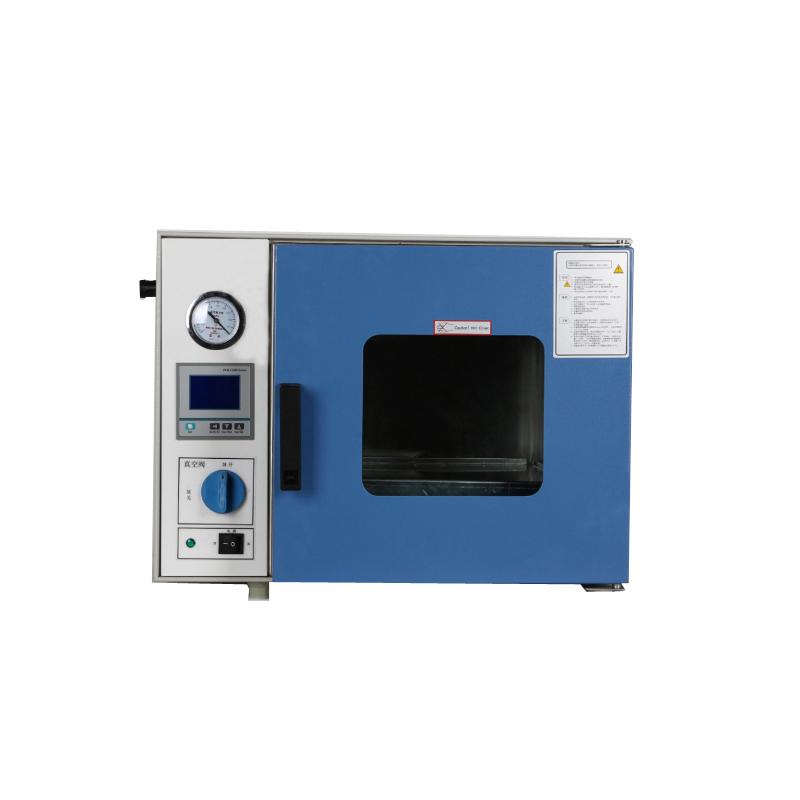
Key points for selection
There are many heating methods for tunnel furnace ovens, including electric heating, gas heating and steam heating. Choosing the appropriate heating method requires consideration of factors such as energy costs, process requirements and environmental factors. Different processing needs have different requirements for temperature range and control accuracy. Therefore, when selecting, it is necessary to determine the temperature range of the furnace cavity and the accuracy of the control system based on actual needs. According to the production scale and product size, it is very important to choose the appropriate furnace cavity size and capacity. A furnace cavity that is too large or too small will affect production efficiency and energy efficiency. With the improvement of industrial automation, the stability and intelligence of the control system have also become important factors to consider in selection. Advanced control systems can improve the stability and controllability of the production process and reduce the cost of manual intervention.
To sum up, as an important industrial heat treatment equipment, tunnel furnace oven plays an important role in food processing, chemical industry, building materials and other fields. The correct selection of a suitable tunnel furnace oven is of great significance for improving production efficiency and optimizing product quality.