introduction
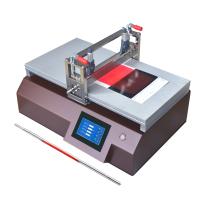
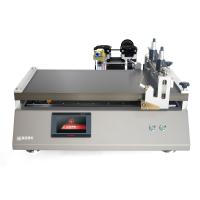
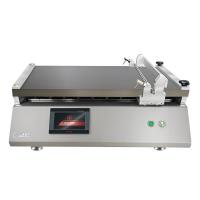
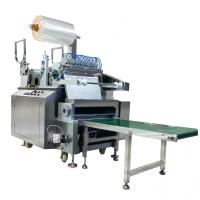
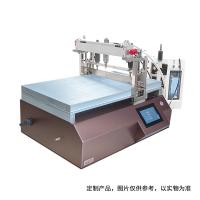
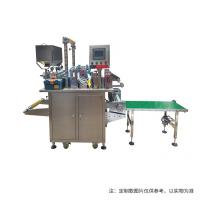
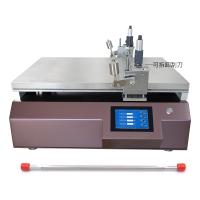
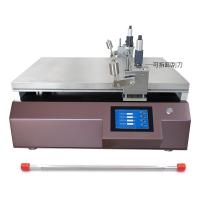
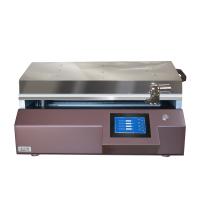
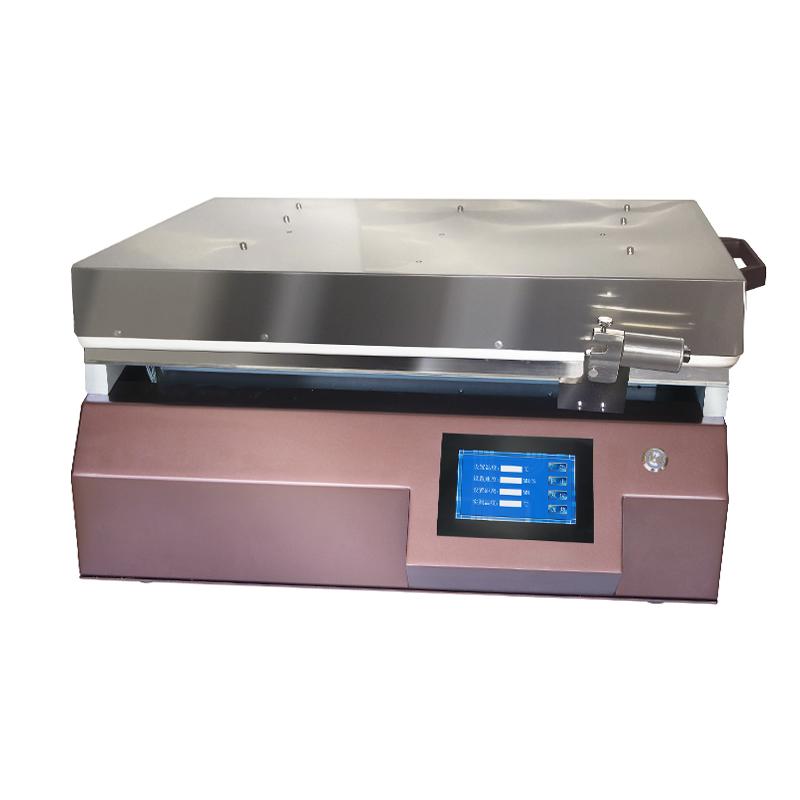
Laboratory Film Applicators play an important role in scientific research and laboratory areas, providing researchers with a rapid coating solution for experimental and test materials. Among them, the coating of UV glue is one of its common applications. This article will discuss the principle, key elements, application and selection of laboratory Film Applicators in the application of UV glue.
principle
The laboratory coater uses a series of devices such as rollers or nozzles to evenly coat the surface of the substrate. When applying UV glue, the principle is as follows:
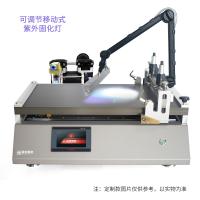
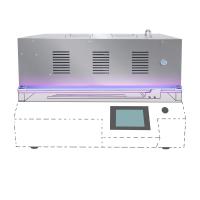
UV Curing:UV glue is a special glue that contains a photoinitiator and a curing agent. When UV light hits the glue applied to the surface of the substrate, the photoinitiator initiates the curing process of the curing agent, which allows the glue to quickly cure into a film.
Uniform Application:Laboratory Film Applicators control the thickness and uniformity of the coating on the surface of the substrate by adjusting the gap and running speed of the roller or nozzle. Homogeneous application guarantees the quality and performance of the final coating film.
Key elements
When applying UV glue, a laboratory coater involves the following key elements:
UV Light Source:The choice and power of the UV light source is an important factor that affects the curing effect of UV glue. Light sources such as mercury lamps and UV LEDs are usually used.
Coating rollers or nozzles:The design and adjustment of the coating roller or nozzle can affect the coating thickness and uniformity. Different coating rollers or nozzles can achieve different coating results.
Substrate Selection:Choose a substrate that is suitable for coating UV glue, including glass, metal, plastic, and other materials. The surface properties and smoothness of the substrate have a significant impact on the coating effect.
Curing speed:The curing speed of UV glue depends on factors such as the power of the UV light source and the thickness of the coating. Choose the appropriate curing speed according to the needs of the experiment.
Coating thickness and speed:Control of coating thickness and speed is critical for coating quality and curing results. The right coating thickness and speed guarantee the performance of the final product.
apply
Laboratory coaters apply UV glue in a wide range of applications in scientific research and laboratories, including but not limited to:
First, it is used to prepare thin films with special optical properties, such as reflective films, transparent conductive films, etc.
Second, it is used to prepare functional coatings for photovoltaic devices such as solar cells and photoelectric display devices.
Third, it is used to prepare functional coatings for biomedical devices such as biochips and microfluidic chips.
Fourth, it is used for the coating and surface modification of optical components such as lenses and lenses.
lectotype
When choosing a laboratory coater to coat UV glue, the following factors need to be considered:
Coating width and speed:According to the experimental requirements, the coating width and speed are determined, and the coating machine model is selected.
UV Curing System:Choose a UV curing system equipped with an efficient system to ensure fast and uniform curing results.
Coating Accuracy:Consider the coating accuracy and stability of the coating machine to meet the requirements of the experiment.
Ease of use:Choose a Film Applicator that is easy to operate and easy to maintain to improve the efficiency of the experiment.
Price & Value for Money:Considering factors such as price, performance and brand reputation, choose a cost-effective Film Applicator.
conclusion
Laboratory coaters play an important role in applying UV glues, providing researchers with fast and accurate coating solutions. When selecting and using a coating machine, it is necessary to make reasonable selection and adjustment according to the experimental requirements and material characteristics to ensure the best coating effect and experimental efficiency. Through reasonable selection and operation, the laboratory coating machine will provide strong support for the experimental work of scientific research workers and promote the progress and innovation of scientific research.