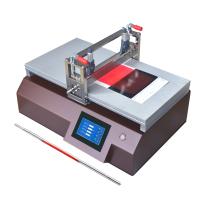
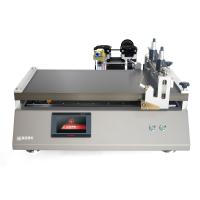
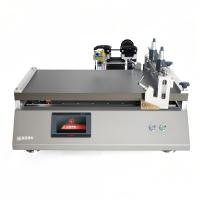
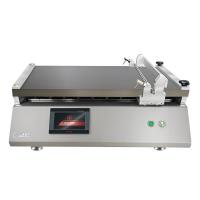
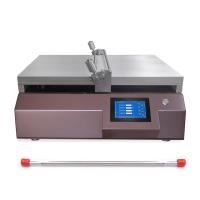
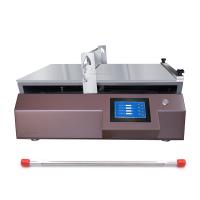
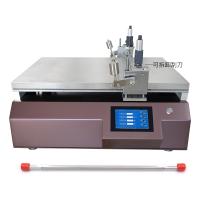
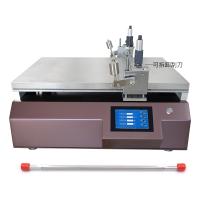
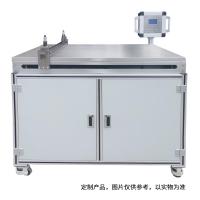
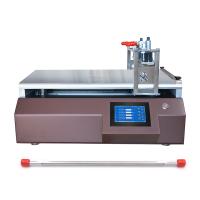
Laboratory Film Applicator is an important equipment for the preparation of electrode plates, which has a wide range of applications in the field of electrochemical energy storage and conversion. This article will introduce the principle and structure of the laboratory coater, as well as its key role in the preparation of electrode plates. At the same time, the optimization method of the operating parameters of the Film Applicator will be discussed to improve the performance and stability of the electrode piece.
introduction
As a key preparation equipment, laboratory Film Applicators play an important role in the field of electrochemical energy storage and conversion. The Film Applicator forms electrode sheets by evenly coating the active material on a conductive substrate, thereby affecting the performance and stability of electrochemical devices such as batteries and supercapacitors. Therefore, it is important to understand the principle of the coater, optimize the operating parameters and its role in electrode preparation.
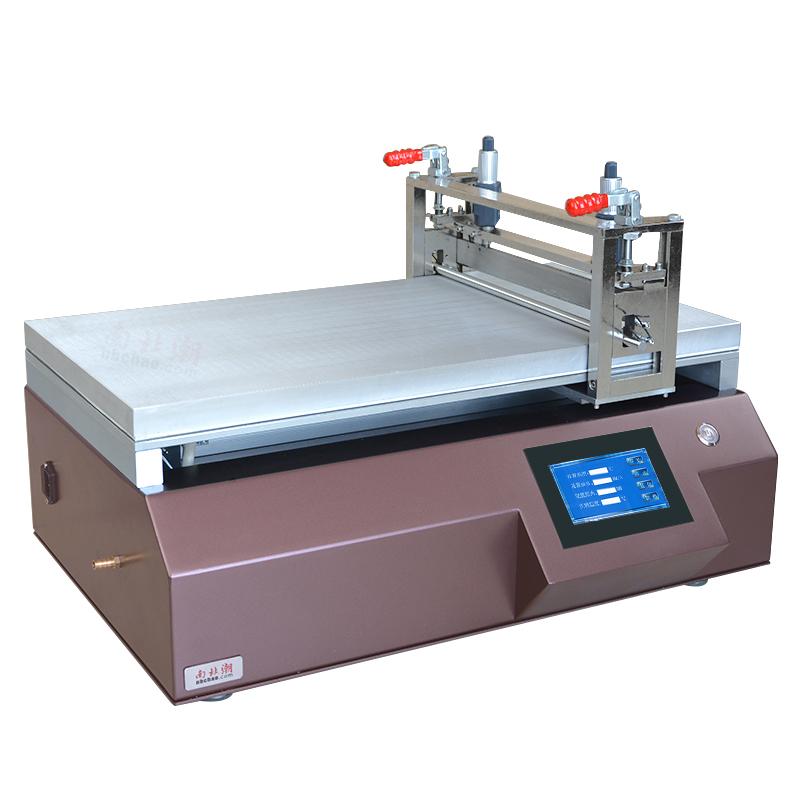
The principle and structure of the laboratory film coating machine
1. The working principle of the coating machine
Laboratory Film Applicators mainly coat the active material evenly on a conductive substrate by means of coating technology. It works similarly to spray technology, where the active material in the solution is evenly applied to a conductive substrate surface by controlling the spray speed and coating thickness of the nozzle. Subsequently, the solvent in the solution is volatilized by drying or baking, resulting in a homogeneous and dense electrode film.
2. Structure and main components of film coating machine
Laboratory Film Applicators are usually composed of parts such as a control system, a coating system, a drying system, and a substrate delivery system. The coating system consists of components such as a solution reservoir, spray head and coating table for the uniform coating of the active material on a conductive substrate. The drying system is used to accelerate the evaporation of the solvent and promote the rapid drying of the coating film.
The role of laboratory coaters in the preparation of electrode plates
1. Coating of electrode materials
The laboratory coater ensures the uniformity and compactness of the electrode film by controlling the coating speed and thickness to evenly coat the active material on the conductive substrate surface.
2. Control of electrode structure by film coating machine
The coater is also able to control the structure of the electrode, for example by adjusting the coating thickness and spraying method, which affects the pore structure and specific surface area of the electrode.
3. The influence of the coating machine on the performance of the electrode
The operating parameters of the laboratory coater have a significant impact on the performance and stability of the electrode, such as the coating speed and thickness affecting the specific capacity and cycling stability of the electrode.
Optimization of the operating parameters of the coater
1. Coating speed
The choice of coating speed should take into account the properties of the active material and the liquid absorption capacity of the conductive substrate, as well as the thickness requirements of the electrode film.
2. Coating thickness
The coating thickness directly affects the active material quality and electrochemical performance of the electrode, and should be optimized according to actual needs.
3. Solution concentration and composition
The concentration and composition of the solution affect the structure and properties of the electrode membrane and should be adjusted according to the properties of the active material.
4. Temperature and humidity control of the coating machine
The temperature and humidity of the coating machine have an important impact on the volatilization rate of the solution and the formation of the electrode film, which should be reasonably controlled.
Application examples of laboratory Film Applicators in electrochemical energy storage and conversion
1) Preparation of electrodes for lithium-ion batteries
Laboratory coating machines are widely used in the preparation of cathode and anode materials for lithium-ion batteries, and the energy density and cycle stability of the battery can be improved by optimizing the coating process.
2) Preparation of supercapacitor electrodes
The coater is also suitable for preparing electrode materials for supercapacitors, and the energy density and power density of supercapacitors can be improved by controlling the coating thickness and composition.
3) Preparation of fuel cell electrodes
In the field of fuel cells, laboratory coaters can be used to prepare electrode materials for hydroxide and noble metal catalysts, and optimizing the coating process can improve the efficiency and stability of fuel cells.
conclusion
As a key preparation equipment, the laboratory coating machine has important application value in the field of electrochemical energy storage and conversion. By optimizing the operating parameters and coating process of the coating machine, the performance and stability of the electrode piece can be improved, and the development and application of electrochemical devices can be promoted.