introduction
The fineness of the coating is one of the important indicators to evaluate the quality of the coating, which directly affects the gloss, flatness and durability of the coating. This article will introduce the concept of coating fineness, its influencing factors, and commonly used test methods to provide technical support for coating production and application.
The concept of paint fineness
The fineness of a coating refers to the size distribution of particles in a paint, usually expressed in micrometers (μm). The size of the particles directly affects the uniformity, fluidity and film-forming properties of the coating. Particles that are too large or too small can cause uneven, rough or flaking of the coating, reducing the decorative and protective properties of the coating.
The influencing factors of coating fineness
Particle size and dispersion state of raw materials: The particle fineness of the coating is affected by the particle size and dispersion state of raw materials. If the size of the particles in the raw material is uneven or the dispersion is poor, it is easy to lead to the agglomeration or uneven dispersion of the coating particles, which affects the fineness of the coating.
Production process parameter control: The process parameters in the production process, such as stirring speed, grinding time, temperature, etc., will directly affect the size and distribution of paint particles. Controlling these parameters can effectively improve the fineness level of the paint.
Test method for coating fineness
Scraper fineness gauge
A scraper Fineness Meter is a commonly used method for testing the fineness of coatings. According to the national standard GB1724-89 (79), a scraper Fineness Meter is used to scrape the paint vertically on the polished plate through the scraper, and then observe the uniform exposed position of the particles in the scratch, and read the fineness value according to the scale mark.
1. Principle:
The basic principle of the scraper fineness gauge method is to use the scraper on the scraper fineness gauge to scrape a certain amount of paint sample vertically on the polished plate, and then observe the uniform exposed position of the particles in the scratch, and read the fineness value according to the scale mark. The scraper Fineness Meter uses the mechanical action of the coating particles when they are in contact with the scraper to make the particles form an observable groove on the surface of the scraper, and evaluates the fineness level of the coating by observing the distribution of the particles in the trench.
2. Structure:
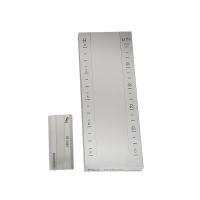
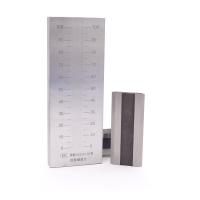
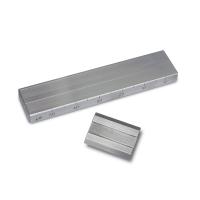
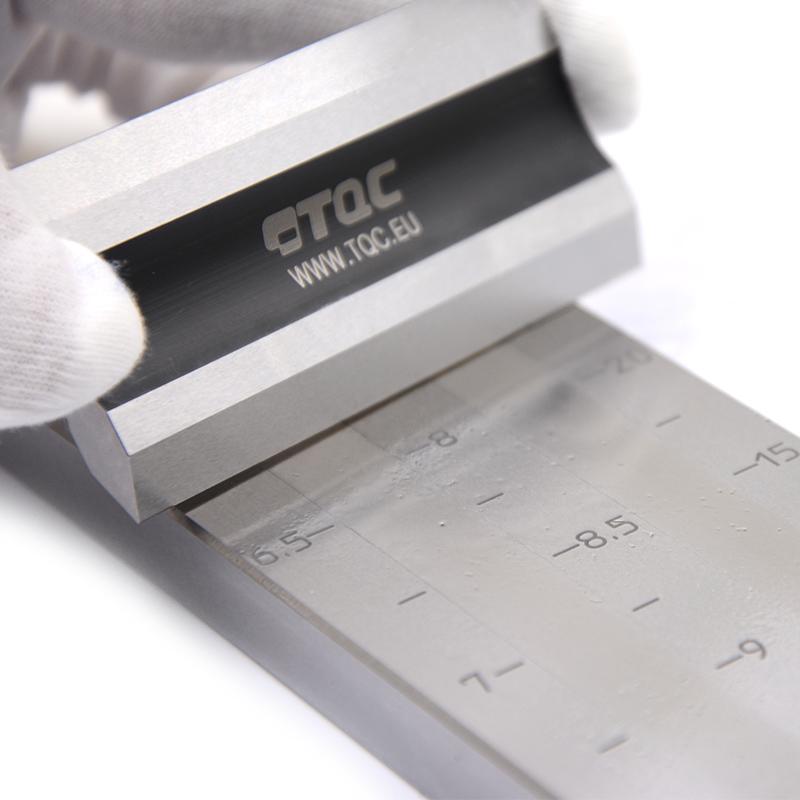
The scraper fineness gauge consists of two parts: a polished flat plate and a scraper. The slabs are usually made of tool alloy steel with a precision machined surface with one or more wedge-shaped grooves, the depth and width of which can be adjusted as needed. The scraper is generally made of high-quality tool carbon steel with a polished cutting edge and is used to scrape the paint sample vertically on a flat plate.
3. Steps:
First, select the appropriate scraper fineness gauge and select the appropriate specifications according to the expected fineness range of the paint.Prepare paint samples to ensure that the viscosity and temperature of the samples meet the test requirements.The paint sample should be dropped into the deepest part of the groove of the scraper Fineness Meter, and the amount should be appropriate, not too much or too little.Hold the scraper with both hands, make the edge of the scraper in perpendicular contact with the surface of the flat plate, and pull the scraper from the deep part of the groove to the shallow part at an appropriate rate, so that the paint fills the groove and leaves no paint on the surface of the flat plate.Under sunlight or a light source, quickly observe the distribution of particles in the scratch and read the fineness value according to the tick mark. Generally, the position where more than three particles are evenly exposed is taken for reading.After use, clean the scraper Fineness Meter and scraper in time to ensure that the equipment is clean, so as not to affect the accuracy of the next test.
4. Result Presentation:
The results of a scraper Fineness Meter are usually expressed in micrometers (μm), and the accuracy of the readings depends on the experience of the observer and the precision of the device. Typically, the average of multiple measurements is taken as the final fineness value, and attention is paid to the retention of significant figures for the results.
5. Applications:
The scraper Fineness Meter method is suitable for fineness testing of most paint types, including oil-based paints, water-based paints, solvent-based paints, etc. According to different coating varieties and uses, you can choose the appropriate test specifications and methods for fineness testing.
6. Precautions:
During the test, attention should be paid to controlling the viscosity and temperature of the paint sample to ensure the accuracy and repeatability of the test.
The scraper Fineness Meter and scraper should be kept clean before and after use, and calibrated and maintained regularly to ensure the accuracy of the test and the stability of the equipment.
Keep the scratch well lit to ensure that the distribution of particles can be clearly observed.
Mesh method
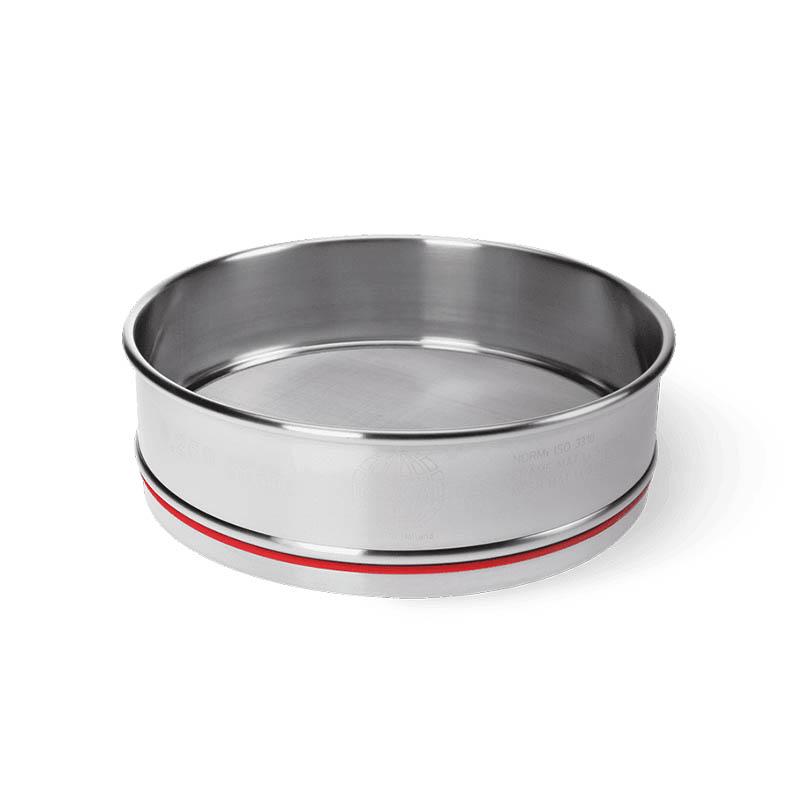
The mesh method evaluates the fineness level of the paint by separating the particles in the paint using a standard mesh sieve. After the paint passes through the screen, the fineness of the paint is judged according to the quality or quantity of the remaining particles.
The mesh method is a commonly used method for testing the fineness of coatings, which is based on the separation of particles in the paint using a standard mesh sieve. During the test, a sample of the paint is passed through a series of screens of different sizes, and the fineness level of the paint is evaluated based on the quality of the particles remaining on the screens. This method is simple and easy to implement, but it requires a high dispersion of the paint and does not allow direct observation of the particle distribution.
Coating film thickness measurement method
The coating thickness measurement method uses the thickness of the coating to evaluate the fineness of the coating. Commonly used equipment is a scraper coating thickness meter and an optical coating thickness meter, which indirectly evaluates the fineness level of the coating by measuring the thickness of the coating. Coating film thickness measurement is a method that uses the thickness of the coating to evaluate the fineness of the coating. Commonly used equipment includes scraper coating Thickness Gauge and optical coating Thickness Gauge. During the test, the size distribution of particles in the coating is indirectly evaluated by measuring the thickness of the coating. This method is suitable for evaluating the fineness level of wet and dry coatings, but requires a uniform coating and high measurement accuracy.
Laser particle size analysis
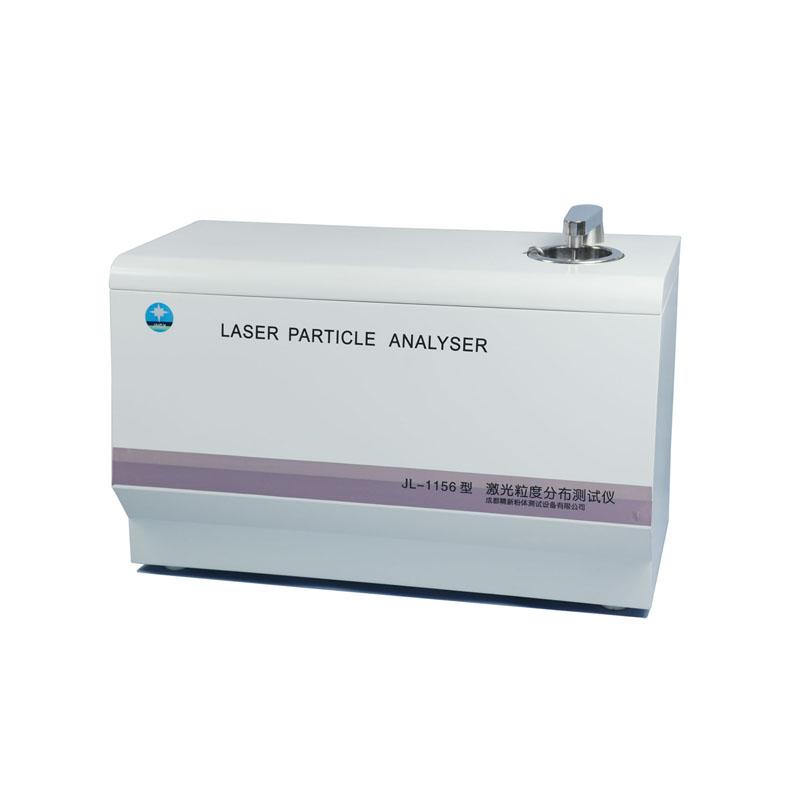
Laser particle size analysis is a fast and accurate method to evaluate the fineness of coatings. The size and distribution of the particles are analyzed by the Detector sensing the intensity of the scattered light from the laser through the laser beam through the particles in the paint.
Laser particle size analysis is to use a laser beam to pass through the particles in the paint, and the Detector senses the intensity of the scattered light from the laser to analyze the size and distribution of the particles. This method can quickly and accurately evaluate the fineness level of the coating, but the equipment price is high and the operation technology is high. Laser particle size analysis is suitable for all types of coatings, including water-based paints with small particles and solvent-based paints.
Coating fineness is one of the important indicators of coating quality, which directly affects the decorative performance and protective performance of the coating. Understanding the concept and influencing factors of coating fineness, and mastering the commonly used test methods, is of great significance to improve the stability of the coating production process and the consistency of product quality. In the process of coating production and application, appropriate test methods should be selected according to the specific situation, and the monitoring and control of coating fineness should be strengthened to ensure that the coating products meet the expected performance requirements.