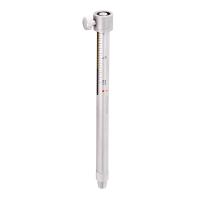
Hardness is a property of an object, not a fundamental physical property. It is defined as the ability to resist indentation and can be detected by measuring the depth of the indentation. In short, the smaller the indentation, the harder the object. Hardness testing is a critical step in determining a material's suitability for a particular production process, as it helps determine the material's properties, including wear resistance, strength, and the material's ductility. This article will cover the definition of hardness testing, its main purpose, how it works, common types, and how to choose them.
I. Definition of hardness testing
Hardness testing is an important test method used to determine the hardness of a material, check its resistance, and evaluate its use. Hardness is not a fundamental property of a material, but is related to the specific properties of the material. Hardness testing involves applying a specified load to a specified test apparatus and then measuring the depth of the indentation pressed into the surface of the sample material.
II. The main purpose of hardness testing
The main purpose of hardness testing is to determine the strength of a material and to check if it is suitable for its intended purpose. Typically, materials used in manufacturing must meet tensile strength requirements to ensure that they can resist the forces experienced by the final product. The results of hardness tests are often converted into corresponding tensile strength values for comparison and evaluation.
III. How hardness testing works
Hardness testing involves the use of a testing apparatus that is applied to the surface of a sample under a specified load and then measures the depth of the indentation. The lower the depth, the harder the material. Different types of testing methods can be used for hardness testing, including Brinell, Rockwell, Vickers, and more.
IV. Common Types of Hardness Testing
Brinell hardness test - suitable for different types of materials, tested with tungsten carbide balls of different diameters.
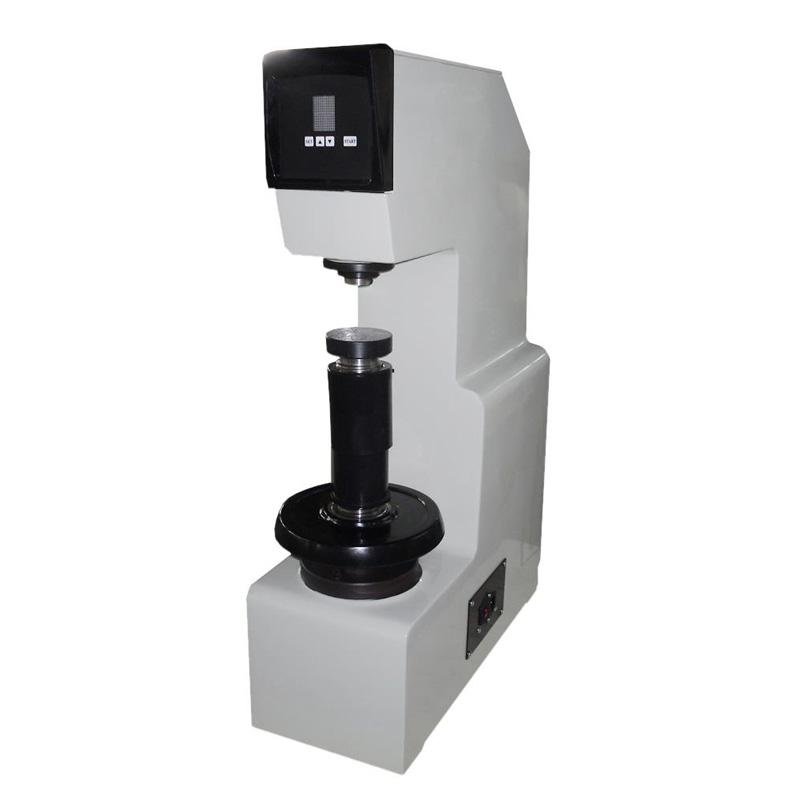
Rockwell hardness testing - suitable for a wide range of materials, tested with different shapes and sizes of presses.
Vickers Hardness Test - Suitable for micro and macro hardness testing, tested using a diamond pyramid press.
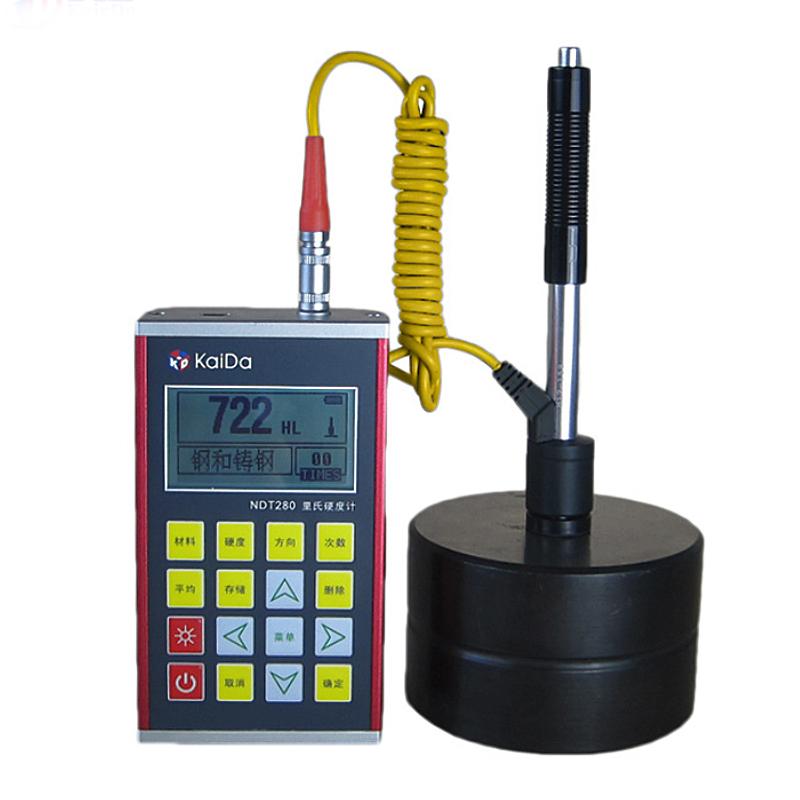
Leeb hardness test - for micro hardness testing, suitable for small and thin samples.
V. How to choose the appropriate test method
Choosing the right hardness testing method requires consideration of several factors, including sample size, material, thickness, and shape, among others. Appropriate corrections and adjustments are also required to ensure the accuracy and reliability of the test results.
Hardness testing is an important method for determining the hardness of materials and is essential for evaluating the compressive resistance, strength, and wear resistance of materials. Choosing the right hardness test method and test conditions is critical to obtaining accurate test results, so a variety of factors need to be carefully considered and standardized testing procedures and specifications followed.