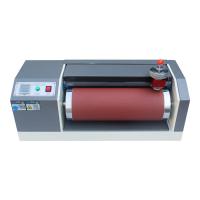
Wear resistance test is an important means to evaluate the performance and durability of materials in wear environment, and is widely used in quality control and research and development of coatings, metals, plastics and other materials. The following is an introduction to several common abrasion test methods, including their principles, steps, and scope of application.
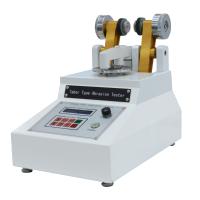
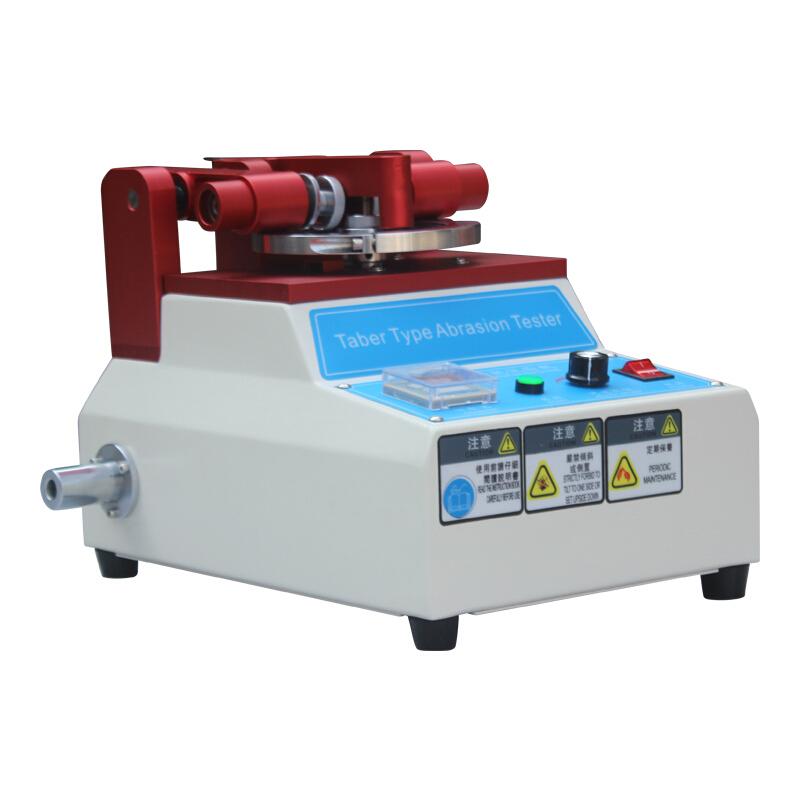
Taber abrasion test
principle
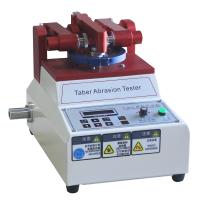
The Taber abrasion test uses a rotating platform to which the coated specimen is fixed and two weighted arms with grinding wheels are applied to the specimen to rotate the grinding wheels on the surface of the specimen, creating a wear effect. The wear resistance of a specimen is evaluated by measuring the mass loss or thickness change after a certain number of revolutions.
steps
Prepare the specimen and fix it on a rotating platform.
Select the appropriate grinding wheel and apply the load.
Start the testing machine and set the number of revolutions.
At the end of the test, the mass loss or thickness change of the specimen is measured and the wear resistance index is calculated.
Scope of application
Taber abrasion resistance test is suitable for coating of various materials, such as metal coating, plastic coating, floor coating, etc., which is widely used in aviation, automotive, electronics and other industries.

Sand abrasion resistance test
principle
The sand removal and wear resistance test simulates the wear of the particles by allowing a certain amount of sand particles to fall freely from a specified height and impact the surface of the sample. The wear resistance of a specimen is evaluated by measuring its mass loss or thickness change.
steps
Prepare the specimen and fix it on the test device.
Choose the right sand type and particle size.
Set the height and number of sand particles falling according to the standard requirements.
At the end of the test, the mass loss or thickness change of the specimen is measured and the wear resistance index is calculated.
Scope of application
The sand removal wear resistance test is suitable for evaluating the wear resistance of materials in the sand impact environment, such as building exterior wall coatings, oil and gas pipeline coatings, etc.

3. Linear abrasion test
principle
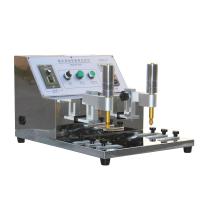
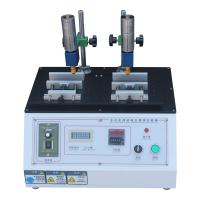
The linear abrasion test simulates wear in real-world applications by applying a reciprocating linear motion to a grinding head at constant pressure on the surface of the specimen. The wear resistance of a specimen is evaluated by measuring its mass loss or thickness change.
steps
Prepare the specimen and fix it on the test bench.
Select the appropriate grinding head material and load.
Start the testing machine so that the grinding head makes a reciprocating linear motion on the surface of the specimen.
At the end of the test, the mass loss or thickness change of the specimen is measured and the wear resistance index is calculated.
Scope of application
Linear wear tests are suitable for evaluating the wear resistance of materials in repeated friction environments, such as automotive interior materials, aircraft seat materials, etc.
4. Sandblasting abrasion resistance test
principle
The sandblasting abrasion resistance test simulates the particle wear environment by spraying sand particles of a certain particle size at high pressure to impact and abrasion the surface of the specimen. The wear resistance of a specimen is evaluated by measuring its mass loss or thickness change.
steps
Prepare the specimen and fix it on the test setup.
Choose the right sand type and particle size.
The sandblasting device is activated, and the high-pressure blasting sand particles act on the surface of the sample.
At the end of the test, the mass loss or thickness change of the specimen is measured and the wear resistance index is calculated.
Scope of application
The sandblasting abrasion resistance test is suitable for simulating the situation that the coating is subjected to sand and dust and wind and sand wear during the flight, and is also suitable for the protective coating of industrial equipment.
5. Rubber wheel wear test
principle
The rubber wheel abrasion test simulates frictional wear in real-world applications by applying a constant pressure to the surface of the specimen and reciprocating motion through a grinding head with rubber wheels. The wear resistance of a specimen is evaluated by measuring its mass loss or thickness change.
steps
Prepare the specimen and fix it on the test setup.
Select the appropriate rubber wheels and apply the load.
Start the testing machine so that the rubber wheel reciprocates on the surface of the specimen.
At the end of the test, the mass loss or thickness change of the specimen is measured and the wear resistance index is calculated.
Scope of application
The rubber wheel abrasion test is suitable for evaluating the wear resistance of floor coatings, shoe sole materials, car tires, etc. in frictional environments.
6. Leather abrasion test
principle
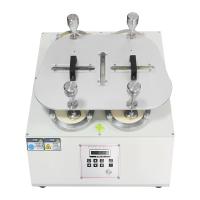
The leather abrasion test involves fixing the specimen on a rotating disc and applying a certain load to make the friction head rub on the surface of the specimen, resulting in a wear effect. The wear resistance of a specimen is evaluated by measuring its mass loss or thickness change.
steps
Prepare the specimen and fix it on a rotating disk.
Select the appropriate friction head and apply the load.
Start the testing machine and set the number of frictions.
At the end of the test, the mass loss or thickness change of the specimen is measured and the wear resistance index is calculated.
Scope of application
The leather abrasion test is suitable for evaluating the abrasion resistance of leather products and synthetic leather products in friction environments, such as footwear, furniture, automotive interiors, etc.

epilogue
There are a variety of abrasion testing methods, each with its own unique scope of application and advantages and disadvantages. By selecting the appropriate wear resistance test method, the wear resistance of the material in the actual use environment can be accurately evaluated, so as to provide a scientific basis for the research and development, selection and application of the material. With the continuous development of materials science, new wear resistance test methods and equipment will continue to emerge, providing more possibilities for improving the wear resistance and service life of materials.