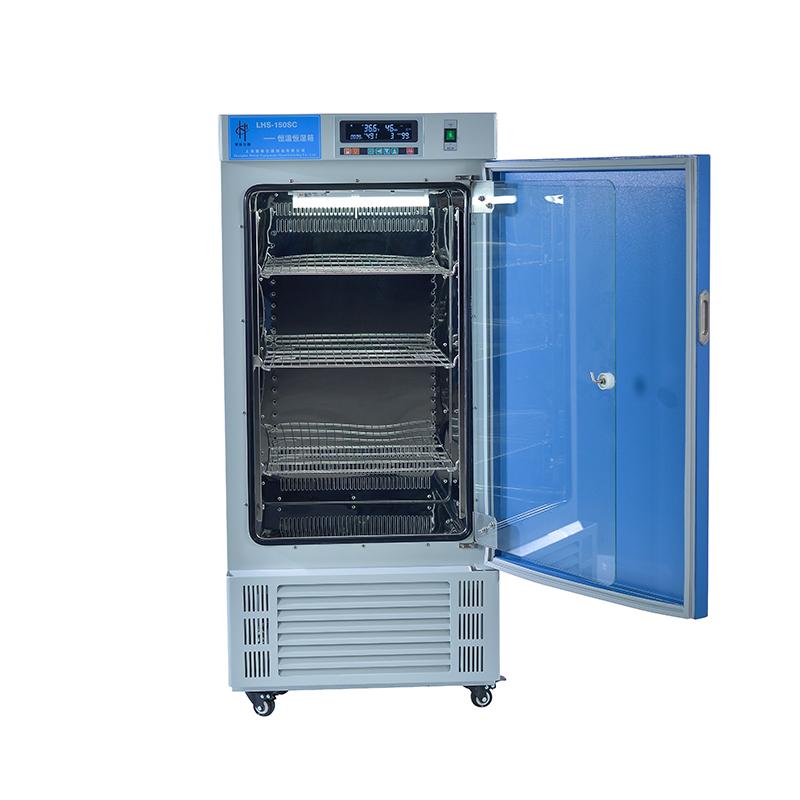
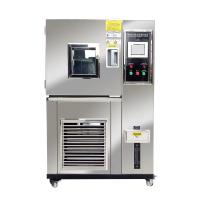
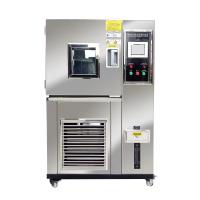
Constant temperature and humidity Test Chambers have a wide range of applications in the building materials and flooring industry, mainly used to evaluate the performance and stability of materials under different environmental conditions. Here are some common use cases:
building material
Cement and concrete, constant temperature and humidity Test Chamber can simulate the environment under different humidity and temperature conditions, and is used to test the compressive strength, shrinkage, durability and other properties of cement and concrete under wet, dry or variable temperature conditions. These tests help to evaluate the stability of the material and its ability to adapt to different climatic conditions, ensuring its reliability and durability in construction projects.
Insulation materials, for insulation materials used in buildings, the constant temperature and humidity Test Chamber is able to simulate wet and dry environmental conditions to evaluate their insulation performance and electrical characteristics in wet or high humidity environments. These tests are essential to ensure the safe and reliable operation of the electrical system inside the building.
Glass and window materials, constant temperature and humidity Test Chamber can be used to test the light transmittance, weather resistance and wind pressure resistance of glass and window materials under different humidity and temperature conditions. These tests help manufacturers and designers determine how a material will perform in a variety of climates, ensuring that it will meet building requirements in real-world applications.
flooring industry
Flooring materials, for flooring materials, including wood flooring, ceramic tiles, laminate flooring, etc., the constant temperature and humidity Test Chamber can be used to simulate the environment under different humidity and temperature conditions, and evaluate the stability, expansion and contraction of flooring materials under these conditions. These tests help manufacturers determine the suitability and durability of flooring products in different climates.
Waterproofing, the waterproofing of flooring materials is especially important for applications in wet environments such as kitchens and bathrooms. The constant temperature and humidity Test Chamber can simulate high humidity and variable temperature environment, test the waterproof performance and durability of the flooring material, and ensure that it can be used in a humid environment for a long time without damage.
Strength and abrasion resistance, the strength and abrasion resistance of flooring materials is one of the focuses of consumers. Through the constant temperature and humidity Test Chamber, the wear resistance test and impact resistance test can be carried out to evaluate the performance of the flooring material under different environmental conditions, and provide consumers with a reliable basis for product selection.
epilogue
The application of constant temperature and humidity Test Chambers in the building materials and flooring industry covers the physical and chemical properties of materials as well as the stability evaluation in long-term use. Through these tests, manufacturers are able to verify the performance of their products under a wide range of environmental conditions, thereby improving the quality and competitiveness of their products and meeting the needs of the market and customers.