Concrete anti-carbonization coating is a specially designed coating used to protect concrete structures from carbon dioxide. It usually contains specific additives and formulations that effectively prevent carbon dioxide from penetrating into the concrete through the coating, thereby slowing down the process of concrete carbonization. Not only does this coating provide excellent waterproofing properties, but it also remains stable in highly alkaline environments, extending the life of concrete structures and reducing maintenance costs.When performing the performance test of concrete anti-carbonization coatings, a series of experiments and tests need to be carried out to ensure the effectiveness and durability of the coatings in protecting concrete structures.
1. Viscosity test
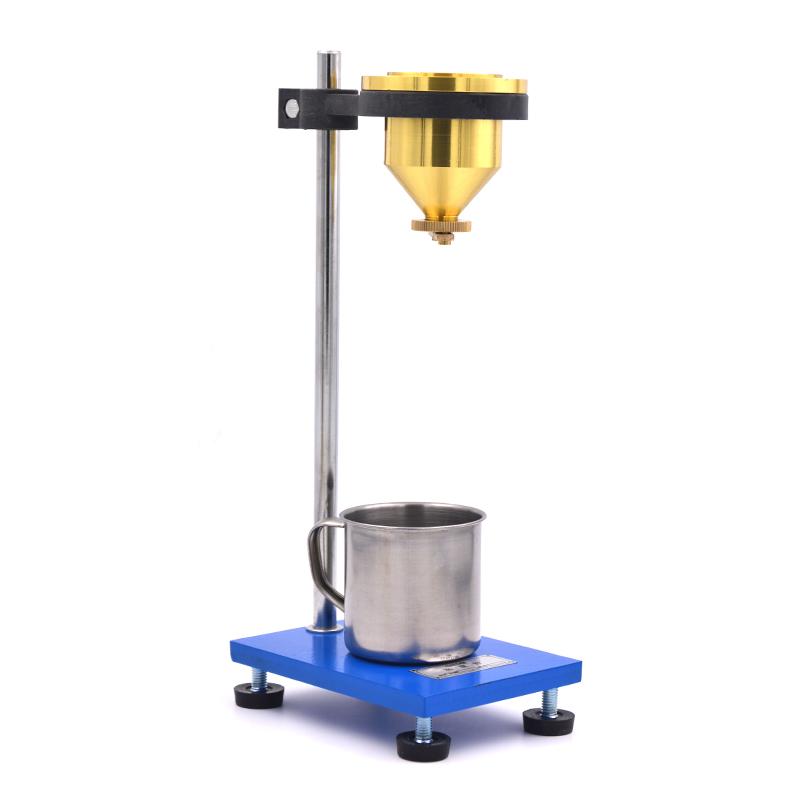
Use the Tu-4 cup method.According to GB/T 1723Measure the viscosity of the coating, which is an important indicator of the application performance of the coating. The right viscosity ensures that the coating can be evenly applied to the concrete surface and is not easy to lose.
Viscosity testing is an important method for evaluating the flow and workability of coatings. The coat-4 cup method is usually used for viscosity determination. For testing, a sample of the paint is first poured into a specific container and then stirred with a stirrer to ensure the consistency of the paint. Next, place the Tu-4 cup on the holder and pour the specimen into the cup to time it with a timer. Within a specified time (usually 30 seconds), the Tu-4 cup is quickly lifted with a specific gauge pipe (called a Tu-4 tube) to allow the paint to flow through the tube. By measuring the time of flow, the viscosity value of the paint can be calculated. This process is usually repeated several times to obtain an average and ensure the accuracy and reliability of the measurements.
2. Coating thickness measurement
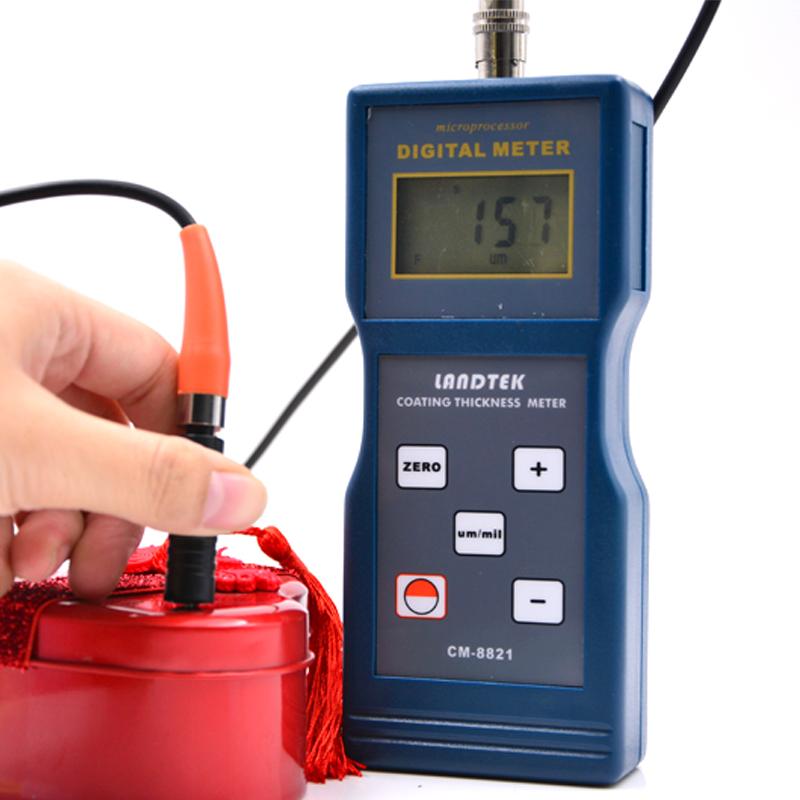
Coating thickness measurement is carried out using a magnetic Thickness Gauge in accordance with GB/T 1764 standard. When measuring, the Thickness Gauge sensor is placed on the surface of the coating, and the instrument quickly measures the actual thickness of the coating by means of magnetic induction. The purpose of this test is to ensure that the coating thickness after application meets the design requirements to effectively prevent carbon dioxide and other chemicals from penetrating into the concrete, thereby delaying the process of concrete carbonization.
3. Adhesion test
Use the grid methodEvaluate the adhesion between the coating and the concrete substrate. The scratch method evaluates the adhesion properties of a coating by making a grid on the surface of the coating and checking the shape and size of the scratches. The high adhesion ensures that the coating does not peel off or peel off easily during use.
Adhesion testing uses the grid method to evaluate the adhesion between the coating and the concrete substrate. For testing, a series of crossed scratches are first made with a scratcher on the coated surface, and then the shape and size of the scratches are examined with the naked eye or microscope. This method is an effective way to evaluate the adhesion of the coating, and the high adhesion indicates that the coating is firmly bonded to the substrate and is not easy to peel off or peel off during use, ensuring the long-term protection of the coating.

4. Flexibility test
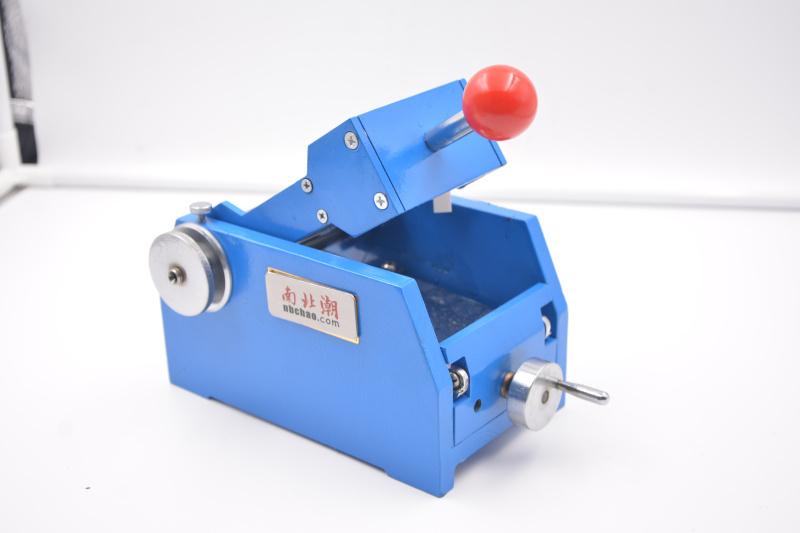
According to GB/T 1731Use a flexibility TesterTest the flexibility and ductility of the coating when subjected to stress. Flexible coatings can adapt to small deformations of concrete structures, thereby reducing the risk of coating cracking and improving their durability.
The flexibility test is carried out in accordance with the GB/T 1731 standard by using a flexibility Tester. Testing the flexibility and ductility of coatings when applied by external forces is a key indicator to evaluate the coating's ability to adapt to small deformations of concrete structures. Good flexibility can effectively reduce the risk of cracking of the coating during use, and improve the durability and long-term protection effect of the coating.
5. Salt spray test
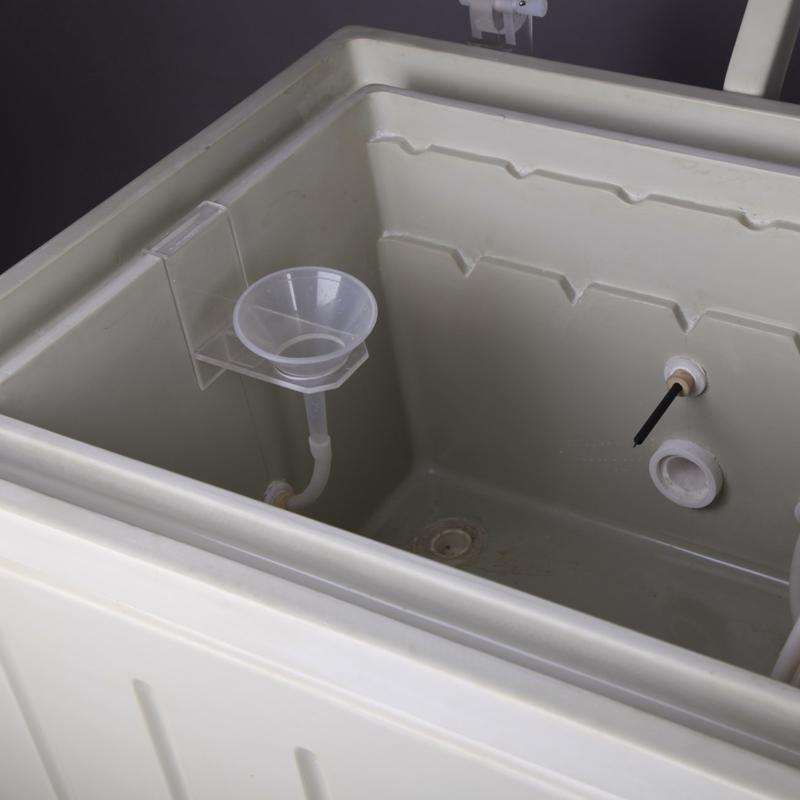
According to GB/T 1771Simulate salt spray corrosion in a marine environment to assess the coating's resistance to salt water corrosion. After the test, the appearance change and protective effect of the coating are observed.The salt spray test is carried out using a salt spray Test Chamber. Test conditions consisted of a set temperature of 35°C, relative humidity >90%, and a 15-minute spray, followed by another spray at 45-minute intervals. This test is performed in accordance with the GB/T 1771-79(91) standard to simulate salt spray corrosion conditions in the marine environment and evaluate the resistance of the coating to salt water corrosion. After the test, the durability and protective performance of the coating are judged by observing the appearance changes and protective effect of the coating.
6. Salt water immersion test
The saline immersion test uses a sample measuring 50 mm x 50 mm x 0.4 mm. The samples were immersed in a 3% concentration of NaCl solution at a controlled temperature of 15-20°C. The purpose of this test is to evaluate the long-term corrosion resistance of the coating in a saltwater environment. After soaking for a certain period of time, the protective effect and durability of the coating can be judged by observing the change in performance and the degree of corrosion of the coating in a simulated marine or other saltwater environment.
7. Saturated Ca(OH)2 solution immersion test
The saturated Ca(OH)2 solution immersion test uses a sample measuring 50 mm x 50 mm x 0.4 mm. Samples are immersed in a saturated Ca(OH)2 solution, the solution is changed every 30 days, and the immersion temperature is maintained in the range of 15-20 °C. The purpose of this test is to evaluate the long-term corrosion resistance of the coating in a highly alkaline environment, simulating the conditions that a concrete structure may encounter. By observing the affinity between the coating and the concrete surface, the protective effect and the change of the surface state of the sample, the durability and performance of the coating in this environment can be judged.
8. Anti-applied voltage test
The impressed voltage test conditions consisted of soaking the steel bar sample in a 7% NaCl solution and simultaneously applying a voltage of 2V. This test method is designed to evaluate the coating's resistance to galvanic corrosion, one of the most common forms of corrosion of steel bars in concrete. Through this test, the protective effect and durability of the coating in an electrochemically corrosive environment can be verified, ensuring that the coating can effectively extend the service life and improve the durability of the concrete structure.
9. Anti-rust performance evaluation
The anti-rust performance evaluation method simulates the adverse conditions in the large environment, and is carried out by cyclically changing the temperature and humidity. The test criteria are assessed according to the relevant rust protection grade diagram. The purpose of this test is to observe and evaluate the coating's ability to resist rust under simulated harsh environmental conditions. Through long-term cyclic tests, the protective effect and performance level of the coating in actual use can be determined, ensuring that it can effectively protect the concrete structure from corrosion and environmental damage.
