Determining the yield value of an ink is one of the important methods to evaluate the fluidity and viscosity properties of an ink. The yield value refers to the minimum force required for the ink to start flowing, reflecting the process of the ink from elastic deformation to plastic flow. This value not only affects the uniformity and printing quality of the ink, but also characterizes the consistency and hardness characteristics of the ink.
Determination of the yield value of an ink can usually be done in two ways:
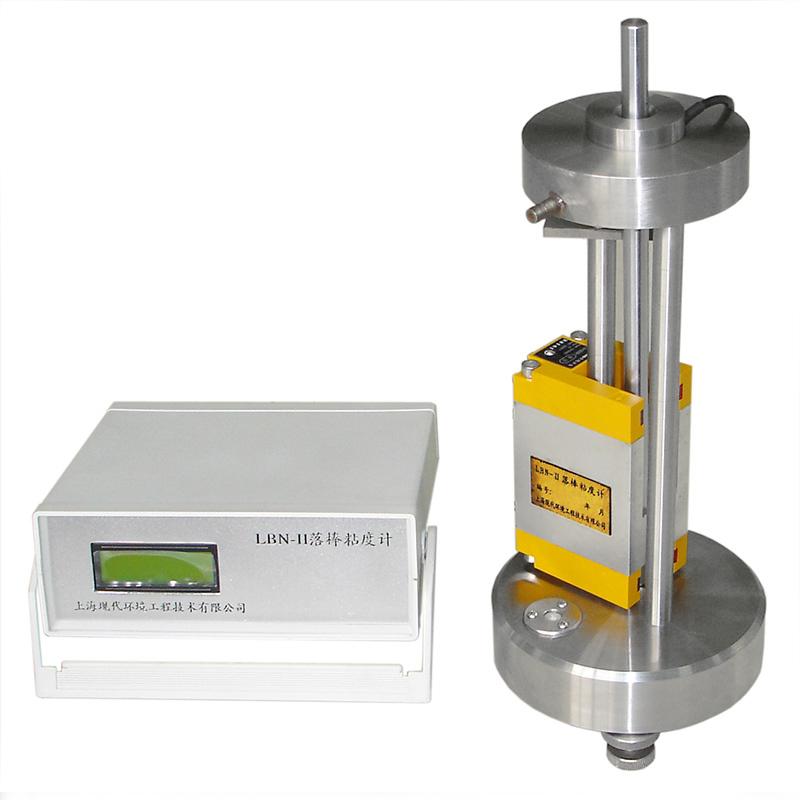
1. Drop rod viscometer method
The viscosity of the ink is determined using a drop rod viscometer and a rheological plot is plotted. On the curve, the yield value can be determined by analyzing the starting point of the curve. This method is suitable for inks in the liquid state, and the fluidity and yield point of the ink are inferred from the initial drop velocity of the rod.
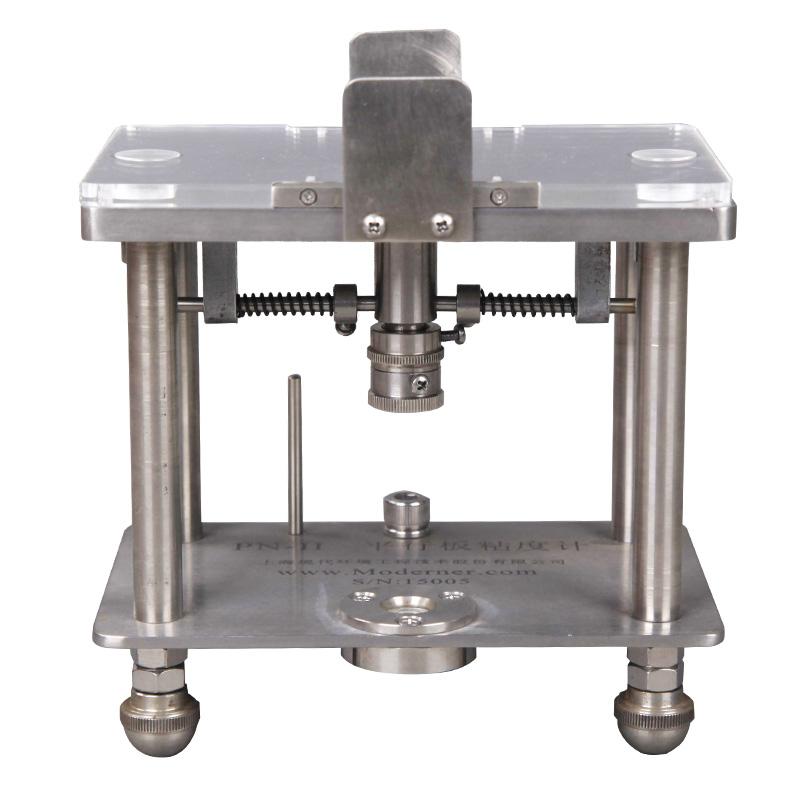
2. Parallel plate viscometer method
This method determines the yield value by measuring the shear force of the ink under fixed conditions. The ink specimen is placed between two parallel plates, and a progressively increasing shear force is applied until the ink begins to flow continuously. By measuring the relationship between all these variable forces and the specimen, the yield value can be calculated.
The main factors affecting the yield value of the ink include the rheological properties of the binder and the overall viscosity of the ink. The type and properties of the binder, as well as its ratio to the pigment and the dispersion state, directly affect the structural viscosity and yield point of the ink. Inks with high yield values typically exhibit higher viscosity and harder characteristics, making them suitable for printing tasks that require precise evenly dispensing and less flow. On the other hand, inks with low yield values have higher flowability and are suitable for printing applications that require high flowability, such as screen and character lines.
Therefore, by accurately determining the yield value of the ink, the printing process can better control the coating uniformity and printing effect of the ink, thereby improving the quality and production efficiency of the printed matter.

