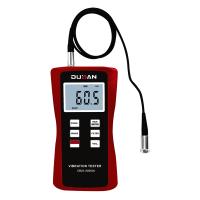
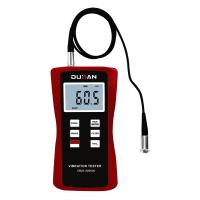
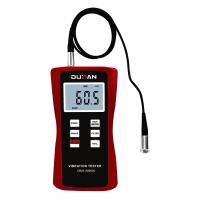
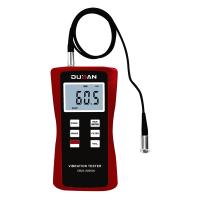
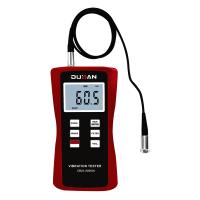
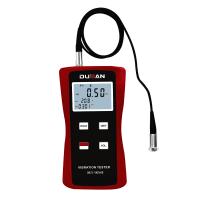
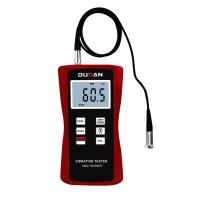
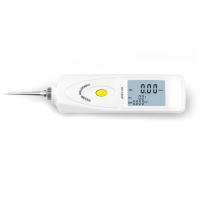
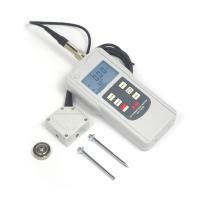
A vibrometer is an instrument used to measure the vibration of an object. Vibration measurement can help analyze the status of machinery and equipment, diagnose faults, optimize designs, and more. Depending on the application needs, there are several types of vibratIon Meters, each with its own specific functions and application scenarios.
Portable vibrometer
peculiarity
Small, portable, often with a display and data logging function.
apply
It is widely used for vibration monitoring and fault diagnosis of field equipment. For example, maintenance personnel of mechanical equipment, fans, pumps, etc., can use it to check the operating status of equipment and the cause of failure.
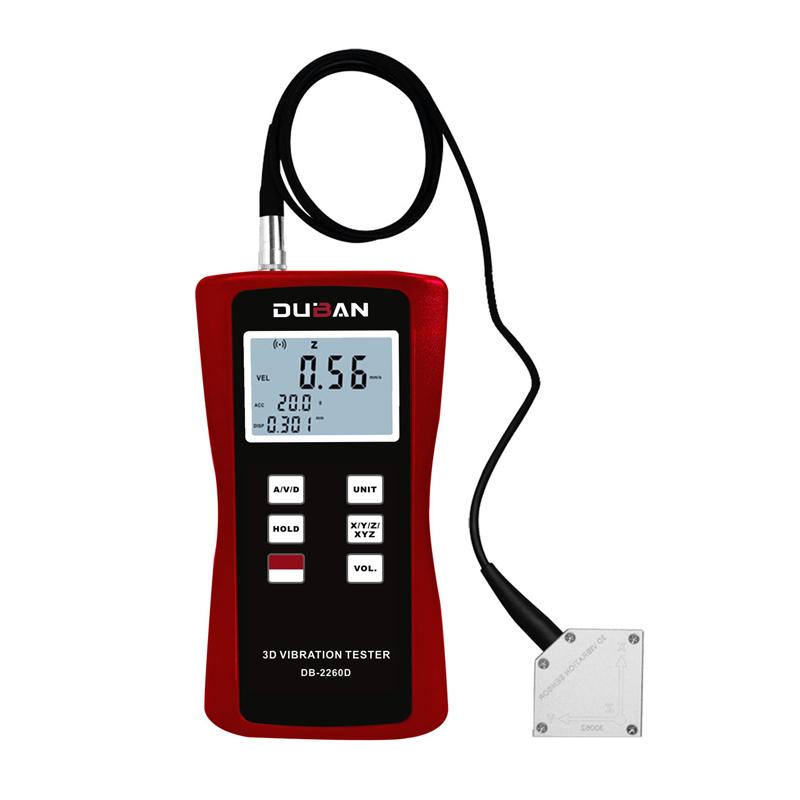
Fixed vibration sensors
peculiarity
Installed on the equipment, it continuously monitors the vibration status and is usually connected to a monitoring system.
apply
For real-time monitoring and preventive maintenance of critical equipment. For example, the monitoring of important equipment such as turbines in power plants, pumps in oil refineries, etc.

accelerometer
peculiarity
Measure the acceleration of an object and thus the vibration indirectly. It can be a static or dynamic accelerometer.
apply
It is widely used in structural analysis, seismic monitoring, automotive testing, and aerospace. For example, car manufacturers use accelerometers to test the vibration performance of vehicles.
speedometer
peculiarity
Directly measure the speed at which an object vibrates (usually expressed in millimeters per second).
apply
It is used for vibration analysis of machinery and equipment, especially at higher vibration frequencies. Ideal for monitoring rotating machinery such as motors and fans.
Displacement meter
peculiarity
Measure the displacement of an object's vibration (usually expressed in microns or millimeters).
apply
It is used for the measurement and analysis of low-frequency vibrations, such as vibration of buildings, structural health monitoring of bridges, etc.
Laser vibrometer
peculiarity
Vibrations are measured using laser technology without touching the object being measured.
apply
For high-precision vibration measurements and dynamic analysis, e.g. in precision instruments and high-tech equipment.
Fiber optic vibration sensors
peculiarity
Fiber optic technology is used to measure vibration, suitable for harsh environments and long-distance transmission.
apply
For vibration monitoring in high-pressure, extreme temperature, or hazardous environments, such as petrochemical facilities and offshore platforms.
Main application areas
mechanical equipment maintenance,Regular monitoring of equipment vibrations can identify problems such as imbalance, poor alignment, or bearing wear before they occur, thus avoiding sudden failures and production interruptions.
Architecture & Civil Engineering,Monitor vibrations in buildings, bridges, and other structures to ensure their safety and stability, especially in earthquake-prone areas.
Automotive & Aerospace,Test and optimize the vibration performance of vehicles, aircraft, and more to improve comfort and safety.
manufacturingDetect and control the vibration of equipment during the production process to improve product quality and production efficiency.