In the food and beverage industry, food safety and quality control are key to keeping customers happy and avoiding health risks. Food thermometers are an important tool used in a variety of food and beverage scenarios to ensure that food is kept at the right temperature throughout preparation, storage, and serving.The use of food thermometers in the food and beverage industry is crucial and plays a key role in ensuring food safety, quality and operational efficiency.
Ensure food safety
One of the main uses of food thermometers is to ensure that food is kept at the right temperature during heating, cooking, and cooling. Different types of food require different temperatures to kill potential pathogens. For example, meat and poultry need to be heated to a specific temperature to ensure safe consumption. Food thermometers can help chefs and caterers accurately determine whether food is reaching these safe temperatures, thereby reducing the risk of foodborne illness.
Monitor refrigeration and freezing temperatures
Maintaining proper refrigeration and freezing temperatures during food storage is key to preventing food spoilage and maintaining its quality. Food thermometers can be used to regularly check the temperature of refrigerators and freezers to ensure that they are maintained within the correct range. By monitoring these temperatures, it is possible to prevent food from spoiling due to improper temperature during storage, thus avoiding food waste and protecting the health of customers.
Ensure the quality of cooking
Food thermometers are also used to ensure that food reaches the desired temperature during cooking for optimal taste and texture. For example, grilled meats and gratin dishes will be more tender and flavorful at a specific internal temperature. Accurately measuring the internal temperature of food helps to avoid overcooking or undercooking, guaranteeing consistent quality in every dish.
Comply with regulatory requirements
Many food safety regulations and standards require food and beverage establishments to strictly control the temperature of food. Food thermometers can help F&B businesses comply with regulatory requirements and make the necessary records and inspections to avoid potential legal risks and penalties.
Improve operational efficiency
The use of food thermometers can improve the efficiency of catering operations. By accurately measuring and monitoring food temperatures, chefs and caterers are able to better plan and adjust cooking and storage processes, optimize workflows, reduce human error, and improve overall operational efficiency.
Reduce food waste
The use of a food thermometer is an effective way to avoid discarding food products because they do not reach a safe temperature. By accurately measuring food temperature, F&B businesses can ensure that every serving of food is served at the optimal temperature, reducing food waste due to quality issues and achieving higher economic results.
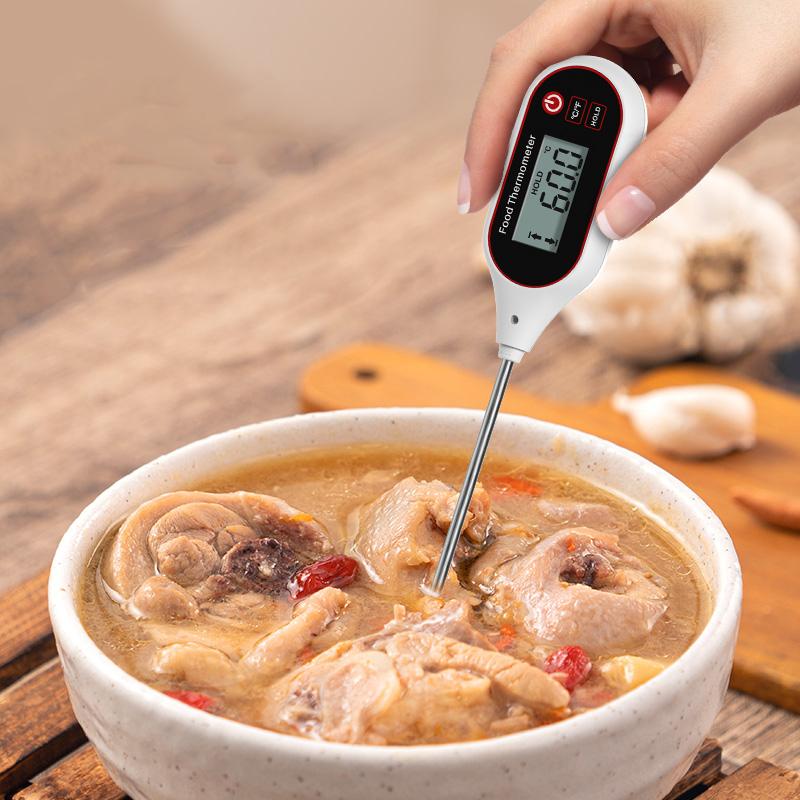
In short, food thermometers play an important role in the food and beverage industry. By ensuring temperature control throughout the production and storage of food, F&B businesses are able to improve food safety and quality, comply with relevant regulatory requirements, optimize operational efficiency, and reduce food waste. Whether it's a family restaurant or a large restaurant chain, food thermometers are an indispensable tool that makes an important contribution to providing customers with a safe and delicious dining experience.


