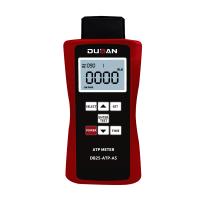
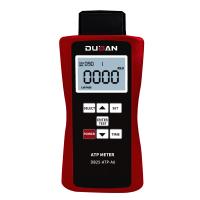
In the food processing industry, food safety and quality assurance is paramount. With the continuous improvement of food safety requirements, traditional bacterial detection methods have been difficult to meet the needs of modern production lines for fast and efficient detection. As an emerging detection technology, the ATP (adenosine triphosphate) fluorescent bacterial detection method has played an important role in the food processing industry with its unique advantages.
Rapid detection
A significant advantage of the ATP assay is its rapid detection capability. In contrast to traditional culture methods, ATP assays can provide results within minutes. This is especially important for line monitoring in the food processing industry, as fast feedback can help identify and resolve issues in a timely manner, thereby reducing production downtime and ensuring continuity and efficiency of the production process.
High sensitivity
The ATP fluorescence detection method is able to detect very low concentrations of ATP, which means that it can detect trace amounts of bacterial contamination. This high sensitivity helps food processors identify potential bacterial problems at an early stage and prevent bacterial contamination from impacting food quality and safety. By detecting and dealing with bacterial contamination in a timely manner, companies can avoid safety hazards caused by food quality issues.
Easy to operate
Compared to traditional microbial detection methods, ATP detection methods are easy to operate and do not require complex equipment or specialized technicians. This makes it easy for food processors to use this method in their daily production processes, increasing the frequency of inspections and enhancing the hygiene management of the production environment and equipment.
Real-time monitoring
The ATP detection method enables real-time monitoring of the production environment and equipment. Through regular inspections, companies are able to keep abreast of the hygienic status of the production environment, identify potential hygienic problems, and take corresponding improvement measures. This real-time monitoring capability helps maintain a high standard of hygiene and ensures safe food production.
Compliance and quality control
Many food safety standards and regulations require strict monitoring of hygiene in the production process. ATP testing methods can help companies meet these regulatory requirements and ensure product quality and safety. With effective testing and quality control, companies are not only able to comply with regulations, but also increase consumer trust in their products.
in a wordATP fluorescent bacterial detection squareThe method provides an efficient and reliable tool for the food processing industry to ensure food safety, optimize production processes, and improve quality control. In modern food production, making full use of this detection technology will bring long-term benefits and competitive advantages to enterprises.