The evaluation of the mechanical properties of materials is fundamental in the field of engineering and manufacturing, where torsion testing is an important method to understand the behavior of materials under torsional loads. Torsional testing machines are key equipment used to evaluate torsional mechanical properties of a wide range of materials such as metals, alloys, composites, and plastics. This article will explain how torsional testing machines work and how they are used in the evaluation of different materials.
How torsion testing machines work
The basic working process of a torsion testing machine mainly tests the reaction of materials under torsional load by applying torque (rotational force), and its basic working process includes the following steps.
1. Sample preparation - fix the sample of the material to be tested in the fixture of the testing machine to ensure its stability.
2. Apply torque - the testing machine applies a gradually increasing torque through a motor or manual device until the sample is torsionally deformed or broken.
3. Data acquisition - through the sensor and data acquisition system to record parameters such as torque and torsion angle.
4. Data analysis - use professional software to analyze the collected data to evaluate the torsional strength, elastic modulus, shear modulus and other mechanical properties of the material.
Application of torsion testing machines in the evaluation of different materials
Metallic materials
Due to their excellent mechanical properties and wide range of applications, metal materials often need to be tested for their mechanical properties. Torsion testing machines can evaluate the strength and toughness of metals under torsional loads. For example, in aerospace and automotive manufacturing, there is a need to understand how metal components behave under complex torsional stresses to ensure their reliability and safety.
Alloy material
Alloy materials achieve better properties through the combination of different metal elements. Torsional testing can reveal the torsional deformation and fracture problems that may be encountered during the use of the alloy. For example, in the electronics industry, alloy materials are widely used in connectors and wires, and their torsional properties directly affect the performance and life of the product.
Composites
Composite materials are lightweight and high-strength, and are widely used in aerospace, construction and sports equipment. Torsional testing machines are able to evaluate the interlaminar shear strength and interfacial bonding properties of composites under torsional loads, helping to design more reliable composite structures.
plastic materials
Plastic materials are widely used due to their excellent processing properties and low cost. With the torsion test, the elastic and plastic deformation behavior of plastics under torsional loads can be evaluated. For example, in consumer electronics enclosure design, the torsional properties of plastic materials need to be understood to ensure their durability in use.
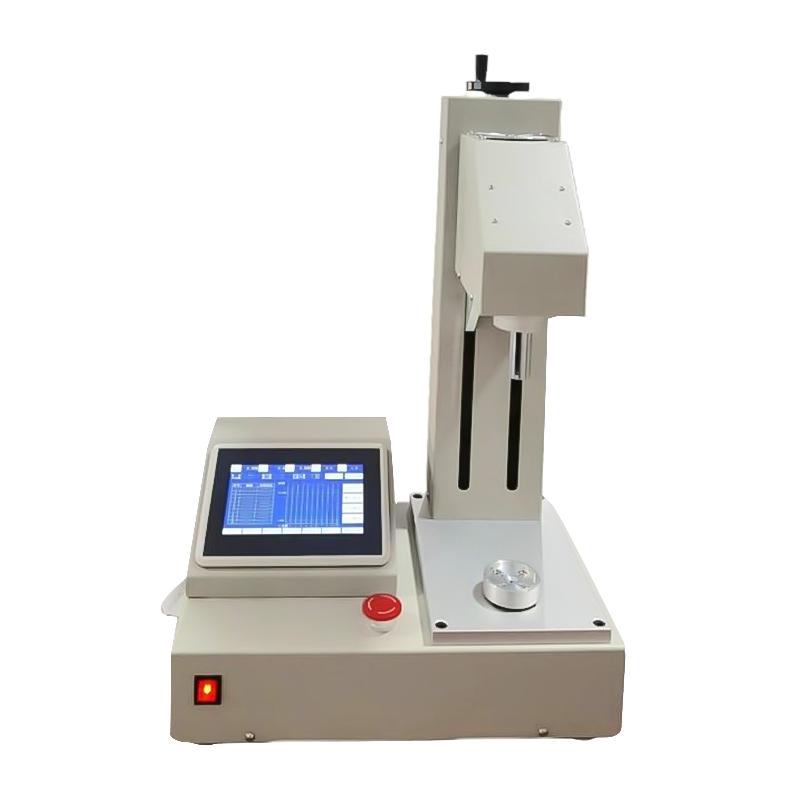
As an important tool for evaluating the mechanical properties of materials, torsion testing machines play an important role in the testing of various materials such as metals, alloys, composite materials, and plastics. Through detailed torsional performance analysis, it can provide reliable data support for material design, quality control, and engineering applications, and promote the development of materials science and engineering technology. With the continuous advancement of science and technology, torsion testing machines will show their important value in a wider range of fields.
