I. Introduction
As a professional testing equipment, the bolt puller plays a vital role in various tunnel operations such as coal mining, national defense, and transportation. It is mainly used to detect the pull-out strength of anchors such as anchors, anchor cables, steel bars, expansion bolts, etc., to ensure that these key components can exert their due bearing capacity and stability in the project. Therefore, the bolt puller has become an indispensable testing tool for all quality inspection units and construction sites. This article will introduce in detail the basic structure, working principle, operation specification and performance of the bolt puller in practical applications.
Second, the basic structure of the bolt puller
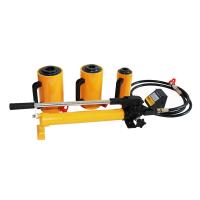
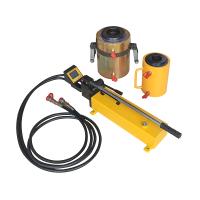
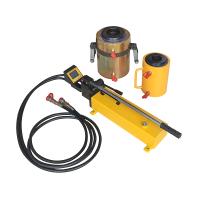
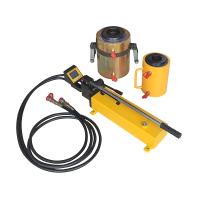
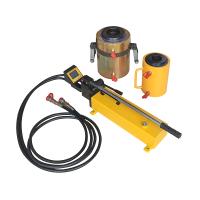
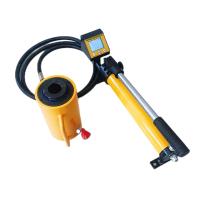
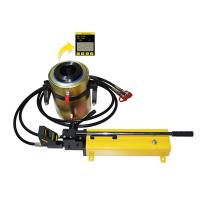
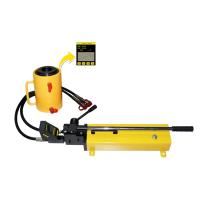
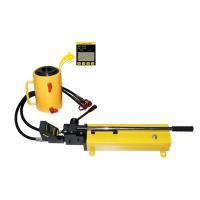
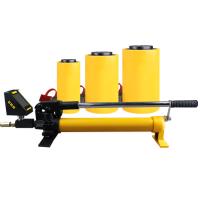
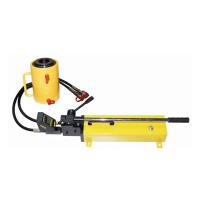
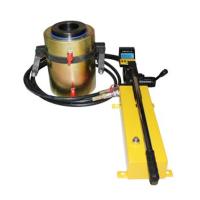
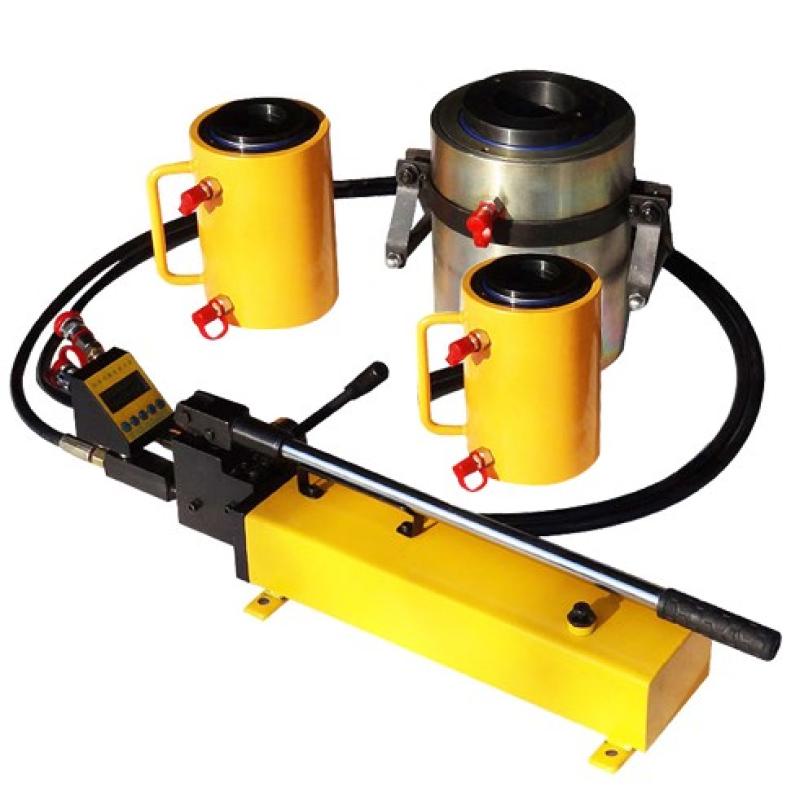
The bolt puller is mainly composed of the following parts: hollow jack, pressure metering device, high-pressure tubing, stroke metering device and pressurization device. The hollow jack is the core component of the bolt puller, which generates a pull-out force through hydraulic action and is used to test the pull-out resistance of the anchor. Pressure metering devices, such as pressure gauges, are responsible for accurately measuring the pressure applied in the system, thus indirectly reflecting the pull-out resistance of the anchors. The high-pressure oil pipe is responsible for transporting the hydraulic oil in the hydraulic system to ensure that the jack can work effectively. Stroke metering devices, such as dial indicators, are able to accurately record the displacement of the anchor during the test. A pressurized device, usually a refueling pump, provides the necessary pressure to the entire hydraulic system.
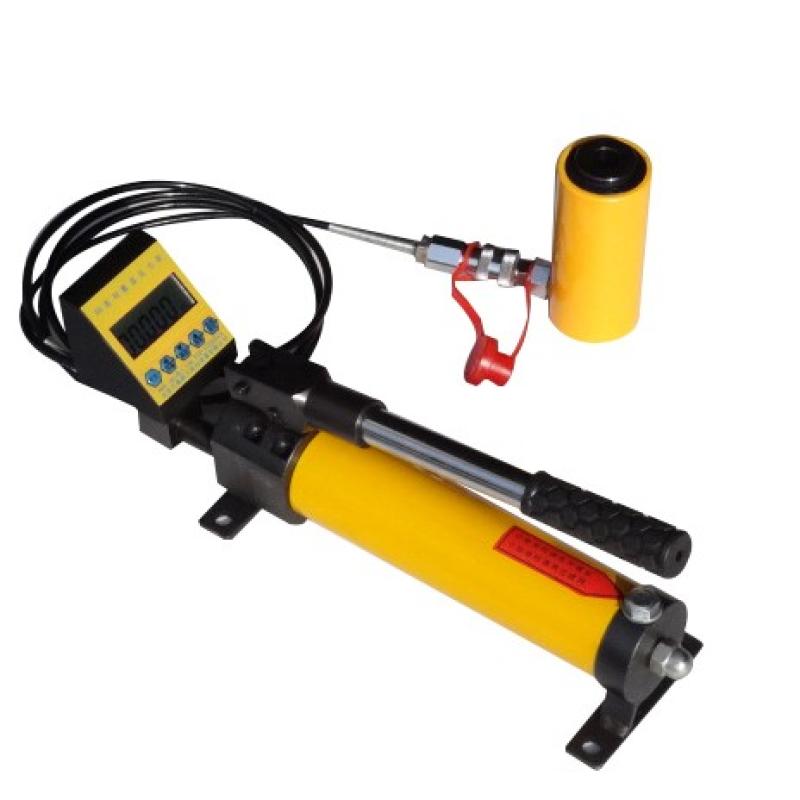
The individual components work closely together to form the working system of the bolt puller. The hollow jack provides the pull-out force, and the pressure gauge and dial gauge are responsible for measuring the pull-out force and displacement respectively, ensuring the accuracy and reliability of the test results. The high-pressure oil pipe and refueling pump ensure the stable operation of the hydraulic system and are the basis for the efficient operation of the entire plant.
Third, the working principle of the bolt puller
The working principle of the bolt puller is based on a hydraulic transmission system. When the hydraulic oil is delivered to the hollow jack through the high-pressure oil pipe, the jack generates an outward pulling force through the pressure of the hydraulic oil that acts on the anchor. This force causes the anchor to displace, which is then accurately measured by pressure gauges and stroke metering. The pressure gauge measures the pull-out force exerted by the jack, while the dial gauge measures the displacement of the anchor in the stressed state. With this data, the pull-out resistance of the anchor can be accurately evaluated.
The key to the working process of the hydraulic system lies in the transmission of force and the accuracy of measurement. The pressure transmitted by the hydraulic oil in the high-pressure tubing directly determines the pulling force of the jack, and the readings of the pressure gauge and dial indicator reflect the performance of the anchor under different pulling forces. The entire process relies on the coordination of the various components to ensure the accuracy and reliability of the measurement results.
Fourth, the operation specification of the bolt puller
When operating a bolt puller, a series of operating specifications must be followed to ensure the safety of the equipment and the accuracy of the test results.
Preparation before operation
Before using the bolter, the operator should carefully inspect the various parts of the equipment to ensure that it is in proper working order. The choice of hydraulic oil is particularly important, and the appropriate hydraulic oil should be used to ensure the normal operation of the hydraulic system. In addition, it is necessary to check whether the oil pipe joints are tight and whether the hydraulic system is leaking.
Steps:
First, install the bolt puller on the anchor to be tested to ensure that the jack is in close contact with the anchor. Then, the pressure is gradually applied through the refueling pump while the pressure gauge is observed. When the set pressure value is reached, the pressurization is stopped, and the pressure and the displacement of the anchor at this time are recorded. Finally, slowly release the pressure, dismantle the device, and end the test.
Essentials for safe operation
The hydraulic system works at high pressure, so it is essential to ensure that all joints are tightly connected to avoid hydraulic oil leakage. When operating, the surroundings of the equipment should be kept clean to avoid dust and foreign objects entering the hydraulic system. In addition, operators should be equipped with the necessary protective equipment to prevent safety hazards caused by high-pressure liquid jetting.
Post-operation maintenance
After each operation, the equipment must be cleaned, especially the tubing joints and jack sections, to prevent hydraulic fluid contamination and wear of parts. Regular maintenance and maintenance of the equipment, including the replacement of hydraulic oil and seals, can effectively extend the service life of the equipment and ensure its long-term stable operation.
5. Performance indicators and environmental adaptability of bolt puller
The main performance indicators of the bolt puller include the rated pressure and the maximum pressure. The rated pressure is 60MPa, which indicates the maximum working pressure of the equipment under normal working conditions; The maximum pressure is 80MPa, which indicates the maximum pressure value that the equipment can withstand under extreme conditions. These indicators ensure that the bolter puller can provide reliable test results under a wide range of harsh working conditions.
In addition, the bolt puller is designed with environmental adaptability in mind and is able to operate in an ambient temperature range of -20°C to 45°C. This adaptable design allows it to operate efficiently in different regions and under different climatic conditions, ensuring the accuracy and reliability of measurement data.
6. Application scenarios and case analysis of bolt puller
Bolt pullers are widely used in coal mining, national defense and transportation. In the coal mining industry, it is used to test the uplift performance of the bolt in the mine roadway to ensure the safety and stability of the mine roadway; In the field of national defense, it is used to detect the strength of anchors in underground works and protective fortifications to ensure the safety of the project; In transportation, especially in tunnel construction, bolt pullers are used to assess the stability of tunnel structures and prevent tunnel collapse.
Through specific case analysis, it can be seen that the bolt puller not only plays an important role in improving the safety of the project, but also avoids the accident caused by the failure of the anchor through timely detection, so as to ensure the progress of the project and save costs also has significant economic benefits.
VII. Conclusions
As a key testing equipment, bolt puller plays an irreplaceable role in ensuring the safety of various engineering structures. Through efficient and accurate pull-out strength testing, it provides reliable data support for engineering design and construction, avoiding accidents caused by anchor failure. In the future, with the continuous progress of technology, the bolt puller will play an important role in a wider range of application fields, and further improve the efficiency and accuracy of engineering testing through intelligent development.