I. Introduction
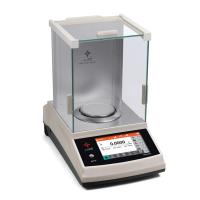
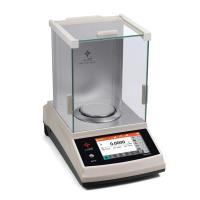
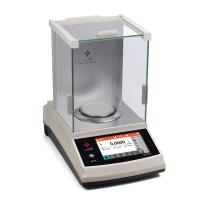
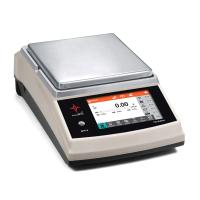
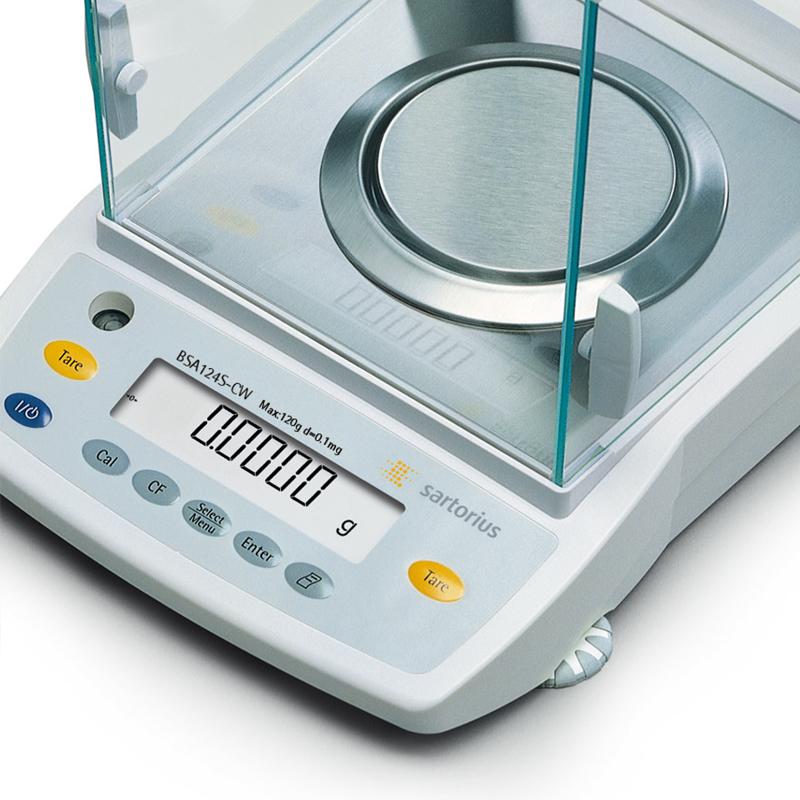
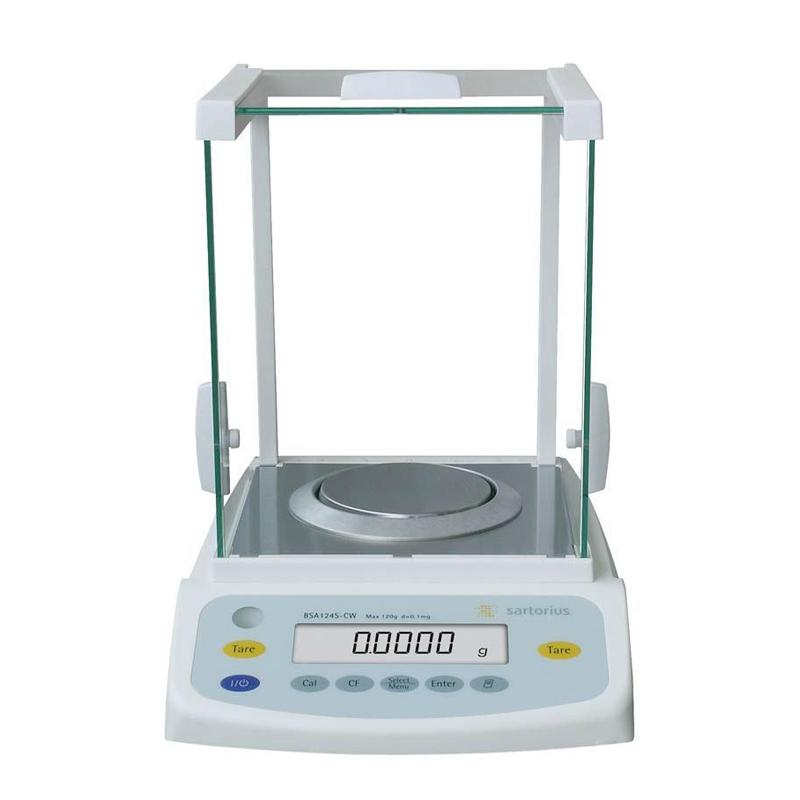
Balances are essential instruments in the laboratory, and their main role is to accurately measure the mass of a substance. Accurate weighing is critical to the reliability of experimental results and the accuracy of data, so choosing the right weighing method can greatly improve the accuracy and efficiency of your experiments.
Different weighing methods have their own scenarios and purposes. The direct weighing method is suitable for samples that are not easy to absorb moisture, the fixed mass weighing method is suitable for situations where the specified mass needs to be accurately measured, and the subtractive (differential subtraction) weighing method is especially suitable for handling substances that are easy to absorb moisture and oxidize. Understanding the characteristics and scope of applications of these methods can help experimenters choose the right weighing method to ensure the accuracy of their results.
Second, the direct weighing method
Scope of application
Direct weighing is mainly suitable for those specimens or reagents that do not absorb moisture in the air, such as metals, alloys, etc. These specimens do not change in weight due to contact with air, so direct weighing guarantees accurate results. Direct weighing is a simple and efficient option when working with such specimens.
Procedure
Use a clean strip of plastic film or paper to cover the weighing pan to avoid direct contact of the specimen with the weighing pan. This process helps to protect the cleanliness of the balance disc and ensures that the specimen is protected from external contamination.
The specimen to be weighed is carefully placed in the center of the weighing pan. Ensure that the specimen is placed securely and does not affect the weighing results due to uneven weight distribution.
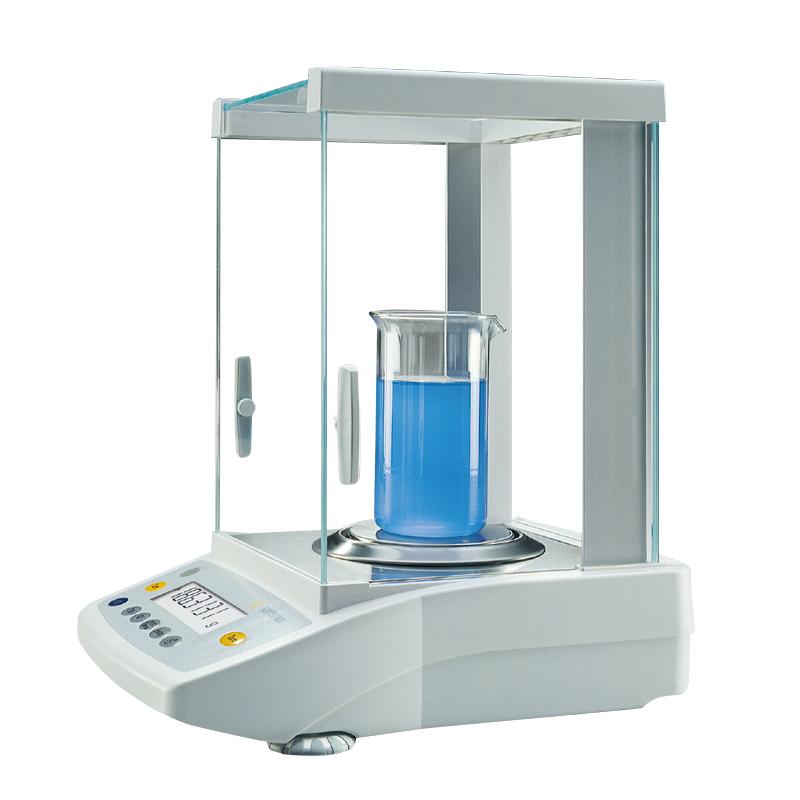
Weigh according to the way you use your balance. During the weighing process, it is important to ensure that the balance is in stable equilibrium for accurate measurement results.
Advantages and limitations
The advantage of the direct weighing method is its ease of operation and high efficiency, especially for specimens that do not absorb moisture easily, such as metals or alloys. By protecting the weighing pan with a clean plastic film or paper strip, you can ensure that the specimen is free from contamination during the weighing process. However, the limitation is that this method is not suitable for hygroscopic specimens, as they may absorb moisture from the air during the weighing process, resulting in inaccurate measurement results. In addition, although simple, it is still necessary to ensure that the specimen is clean to avoid potential errors.
3. Fixed mass weighing sample method
Scope of application
The fixed-mass weighing method is suitable for situations where a specific quality specimen needs to be weighed accurately, such as in analytical experiments to ensure that the specimen is quantified accurately. High-precision measurements can be achieved by progressively adding specimens to containers of known mass until the desired mass is achieved. This method is particularly suitable for experimental or analytical tasks that require high quality.
Procedure
Select the appropriate weighing vessel (e.g., surface dish, small beaker, etc.).
Accurately weigh container mass.
Weights are added to determine the desired specimen mass.
Use a medicine spoon to gradually place the specimen into the container.
Transfer the specimen and proceed to the follow-up operation.
Advantages and limitations
The advantage of the fixed-mass weighing method is that it can accurately weigh the specimen of the specified mass, which is especially suitable for experiments with strict requirements for specimen quality. However, this method has high requirements for the stability of the specimen, which must be stable in air and not easily absorb water, otherwise the accuracy of weighing may be affected. In addition, this method requires careful operation to ensure that each step is performed precisely, thus avoiding potential errors.
Fourth, the death and reduction (difference) weighing method
Scope of application
The subtractive weighing method is suitable for substances that absorb water, oxidize or react easily with carbon dioxide (CO₂). Due to the possible mass changes of these substances when exposed to air, direct weighing may not be accurate enough. Therefore, the use of subtractive weighing can effectively avoid the contact of these substances with the air, resulting in more accurate mass measurements.
Procedure
The substance to be weighed is placed in a weighing flask, and the weight of the weighing flask containing the specimen is accurately measured and recorded using a balance. This step provides baseline data for subsequent calculations.
After a portion of the sample is poured out, the weighing flask containing the remaining sample is weighed again and the mass at this point is recorded. This step helps to determine the actual mass change of the specimen.
By comparing the results of the first and second weighings, the mass difference between the two is calculated. The difference is the mass of the sample being poured out. This calculation method can effectively obtain accurate specimen quality and minimize the influence of the external environment on specimen quality.
Advantages and limitations
The advantage of the subtractive weighing method is that it can effectively handle substances that are prone to hygroscopicity, oxidation or reaction with CO₂, and improve the accuracy of the measurement by reducing the contact of the specimen with air. However, this method requires a high degree of tightness for the weighing flask, which can lead to measurement errors due to poor sealing, and complex operation steps that require multiple weighing and calculations, increasing the difficulty of operation and the risk of errors.
Choosing the right weighing method is critical to ensuring the accuracy of your experimental data. The direct weighing method is suitable for stable specimens due to its simplicity, the fixed mass weighing method provides a reliable means to accurately measure a specific mass of specimens, and the subtractive (differential subtraction) weighing method shows its unique advantages when dealing with perishable specimens. Understanding the advantages and limitations of each method will help the experimenter to select the appropriate weighing method based on the characteristics of the specimen and the experimental requirements, thereby improving the reliability of the experimental results and the accuracy of the data.