introduction
As one of the environmental testing equipment, the high-low temperature damp-heat alternating Test Chamber is widely used in the performance testing and evaluation of rubber materials. In the rubber industry, this Test Chamber is essential for the study of the weatherability, aging performance and stability of rubber products. This article will deeply discuss the application technology of high-low temperature damp-heat alternating Test Chamber in the rubber industry, including its working principle, application scope, key technical indicators and its importance to rubber material testing.
Overview of high-low temperature alternating heat and humidity Test Chambers
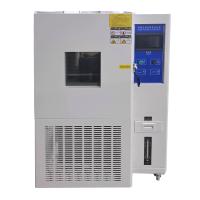
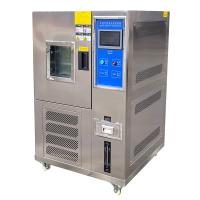
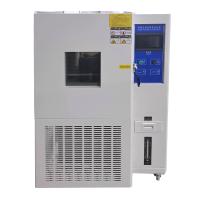
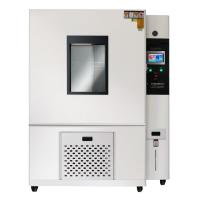
High-low temperature damp heat alternating Test Chamber is a kind of equipment that simulates the performance of products under different environmental conditions. It simulates changes in temperature and humidity to test the performance of materials in extreme environments by controlling the environmental conditions within the chamber. This chamber provides precise temperature and humidity control and is typically used to evaluate a material's weatherability, heat resistance, moisture resistance, etc.
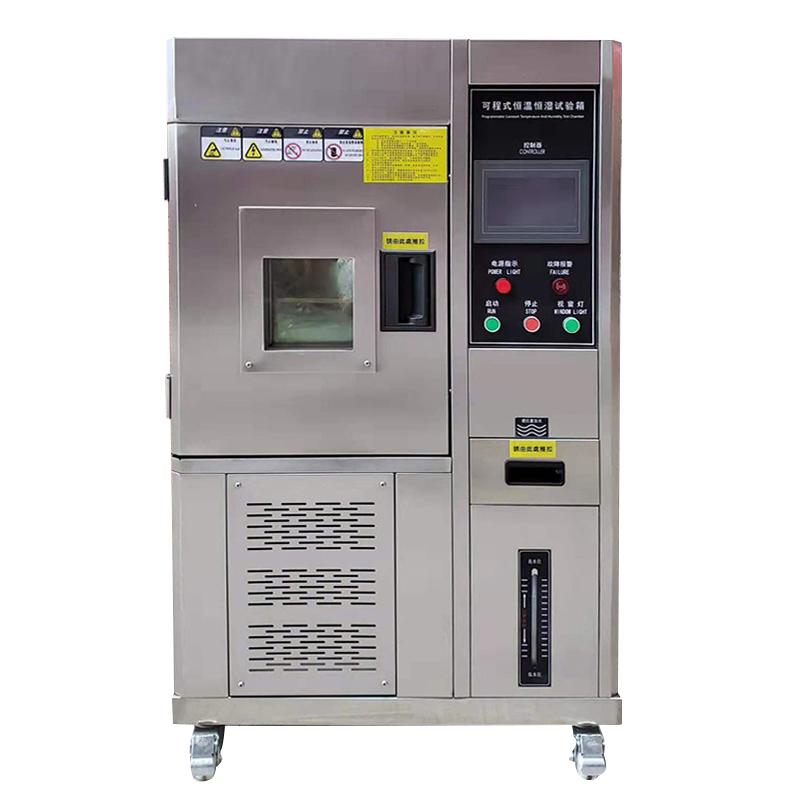
The working principle of the high-low temperature damp-heat alternating Test Chamber
The high-low temperature damp-heat alternating Test Chamber mainly realizes the change of environment through heating system, cooling system, humidification system and dehumidification system. The working process consists of the following steps:
Temperature control – The temperature inside the chamber is regulated by a heater or refrigeration system. Heating systems typically use electric heaters, while cooling systems may use refrigerants or cooling water to lower temperatures. The temperature control system is able to precisely adjust the temperature within a predetermined range.
Humidity control——Humidity is controlled by humidifiers and dehumidifiers. Humidifiers increase humidity by evaporating water, while dehumidifiers remove moisture from the air through condensation technology.
Environmental Circulation——The chamber is equipped with a fan and airflow circulation system to ensure that temperature and humidity are evenly distributed throughout the test area. This avoids local temperature and humidity unevenness affecting the test results.
Data acquisition and control——Modern high-low temperature damp heat alternating Test Chambers are usually equipped with advanced data acquisition and control systems, which can monitor the test conditions in real time and make adjustments. These systems are able to record changes in temperature and humidity and generate detailed test reports.
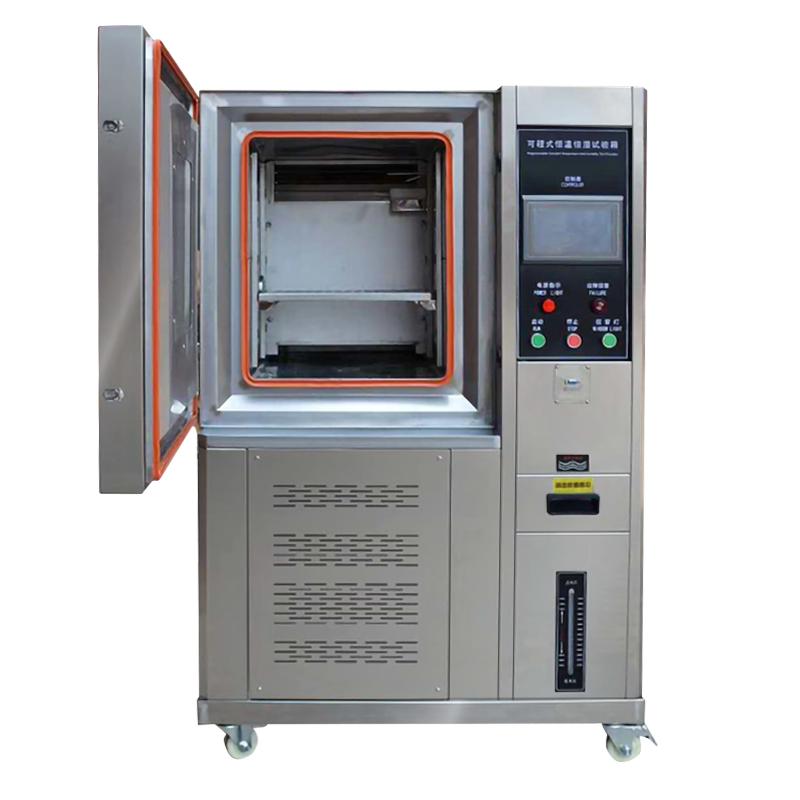
Application of high-low temperature damp heat alternating Test Chamber in rubber industry
Rubber is a widely used material, and its properties may vary under different environmental conditions. High-low temperature alternating heat and humidity Test Chambers can help researchers evaluate the performance of rubber under extreme environmental conditions, and the following are its main application areas:
The weather resistance of rubber materials directly affects their service life and performance in practical applications. Through the high-low temperature damp heat alternating Test Chamber, the aging process of rubber under different temperature and humidity conditions can be simulated. This test can reveal the deterioration that may occur in the rubber material over time, such as cracking, hardening, loss of elasticity, etc.
Rubber may experience degradation of performance or structural changes in high-temperature environments. By simulating high temperature conditions in a high-low temperature alternating heat and humidity Test Chamber, the heat resistance of rubber can be tested, including its thermal aging characteristics and changes in physical properties at high temperatures.
Rubber may absorb moisture or soften in a humid environment, affecting its mechanical properties and durability. Using the damp heat cycling function in the Test Chamber, the performance of rubber in a humid environment can be evaluated, including hygroscopicity, resistance to damp heat expansion, and flexibility.
The high-low temperature damp heat alternating Test Chamber can provide different environmental conditions to test the stability of rubber materials. This is critical to ensure the reliability and consistency of rubber products in real-world applications during design and production.
Technical indicators and selection of high-low temperature damp-heat alternating Test Chamber
When choosing a high-low temperature damp-heat alternating Test Chamber, the following technical indicators need to be considered:
Temperature range: The temperature range of the Test Chamber should be selected according to the testing needs of the rubber material. Common temperature ranges range from -70°C to +150°C, covering most of the temperature conditions that may be encountered in real-world applications.
Humidity range——The humidity range is typically between 20% and 98% RH. Choosing the appropriate humidity range ensures that the test conditions match the actual application environment.
Rate of change in temperature and humidity——The rate of change in temperature and humidity affects the efficiency of the test and the accuracy of the results. The high rate of change speeds up the testing process and is suitable for rapid evaluation of material properties.
Uniformity and stability——The uniformity and stability of temperature and humidity inside the Test Chamber are crucial for the reliability of the test results. Choosing a Test Chamber with good uniformity and stability can reduce errors and improve the accuracy of the test.
Control system——The state-of-the-art control system provides better data acquisition and management capabilities, including real-time monitoring, auto-tuning, and data logging. This is especially important for long and complex tests.
Application examples and case studies
In order to better understand the application of high-low temperature damp heat alternating Test Chambers in the rubber industry, the following are some practical application cases:
Weathering tests of car tires
As an important application field of rubber products, the weather resistance of automobile tires is directly related to driving safety. By using the high-low temperature damp heat alternating Test Chamber, the aging process of tires under different climatic conditions can be simulated, including high temperature, high humidity and low temperature, and the performance changes and service life of tires can be evaluated.
Performance evaluation of industrial rubber seals
Industrial rubber seals are used in a wide range of industrial equipment, and their performance must be stable in extreme environments. Through the damp heat cycle test of the Test Chamber, the sealing effect and durability of the seal in the high temperature and high humidity environment can be evaluated to ensure its reliability in practical use.
Heat resistance testing of wires and cables
The insulating material in wires and cables is usually rubber-based materials, and its heat and moisture resistance directly affect the safety and stability of the cable. The high-low temperature damp heat alternating Test Chamber can be used to test the cable at high temperature and high humidity to evaluate its insulation performance and long-term stability.
conclusion
The application of high-low temperature damp heat alternating Test Chamber in the rubber industry is of great significance. It not only provides a test platform that simulates real-world environmental conditions, but also helps companies optimize the design and production process of rubber materials. Through detailed temperature and humidity control and performance evaluation, companies can ensure the stability and reliability of their rubber products in a variety of extreme environments, thereby improving product quality and meeting market demand. For the rubber industry, making full use of the technical advantages of high-low temperature damp-heat alternating Test Chamber will help promote the technological innovation and market competitiveness of products.