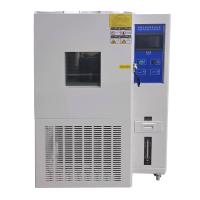
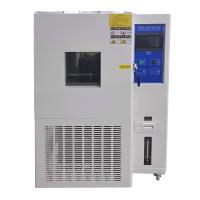
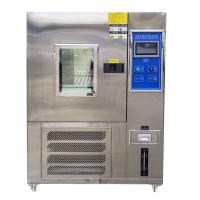
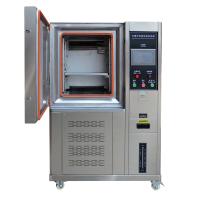
High-low temperature damp heat test is an important means to ensure the normal operation of electronic products in extreme environments. The device verifies the environmental suitability of the product by simulating various temperature and humidity conditions. However, during testing, it is not uncommon to encounter issues such as equipment failures, temperature uniformity issues, and condensation, which can affect the accuracy of test results or even lead to product failure. This article will discuss the common problems in high-low temperature damp heat tests and their solutions.
First, the problem of condensation
1. Problem description
Condensation may form on the surface of the product during high-low temperature damp heat tests, especially when performing low temperature or temperature cycling tests. Due to the temperature difference between the product and the air in the Test Chamber, when the surface temperature of the product is lower than the dew point temperature of the air, the moisture in the air will condense on the surface of the product and form condensation. This phenomenon can lead to corrosion on the surface of the product, affecting the electrical properties, causing problems such as leakage, short circuit, and decreased insulation resistance, which in turn interferes with the test results.
2. Cause analysis
The main cause of condensation formation is the condensation of moisture due to temperature changes. For example, the evaporator in the Test Chamber will frost at low temperatures, and when the temperature rises, the frost will melt into water, which may not be completely discharged due to equipment design problems, and some of the water vapor will enter the Test Chamber. In addition, the test hole is poorly sealed, and outside air enters the chamber through the gap, further increasing humidity.
3. Solution
(1) Before the test, use the high-temperature drying method to discharge the moisture inside the Test Chamber, and replace the air by dry air. Make sure the test hole is well sealed to avoid outside moisture ingress.
(2) During the test, the humidity in the Test Chamber can be reduced by introducing dry air or placing hygroscopic materials such as activated carbon and silica gel. In addition, for particularly sensitive products, a protective cover is used for isolation.
(3) After the test, the temperature is gradually increased to reduce the temperature difference and reduce the formation of condensation. If condensation occurs, it is recommended to quickly eliminate it by drying it at high temperatures.
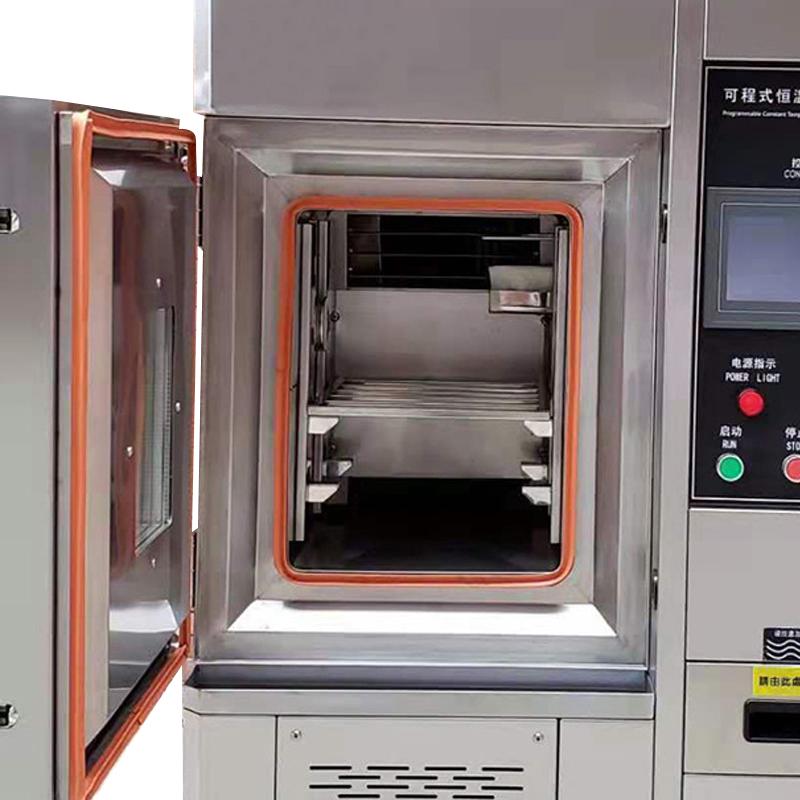
Second, the problem of temperature uniformity
Temperature uniformity in the chamber is key to ensuring the accuracy of test results. Ideally, the air temperature inside the chamber should be consistent, but in practice, especially when the large chamber or the product is large, the air circulation is not smooth, resulting in large local temperature deviations.The main reason for the uneven temperature is that the product obstructs air circulation in the Test Chamber, resulting in poor air flow in some areas and not reaching the set temperature. In addition, the heat capacity and shape of the product also affect the temperature distribution. The air temperature in the vicinity of the bulk product is usually lower than elsewhere in the chamber.
Workarounds include:Reasonable placement of products andimprove air circulation,According to the relevant environmental test standards, such as GJB 150A and GB 2423, the product should be kept at sufficient distance from the Test Chamber wall and other products to ensure smooth air circulation.The product can be supported by the use of an insulating backing plate to allow air to circulate through the bottom of the product, thus reducing temperature unevenness. For products that occupy a large space, it is recommended to choose the side with a smaller area facing the air outlet to reduce obstruction.
3. Equipment failure
The stability of high-low temperature damp heat test equipment is crucial to the experimental results. Equipment failures can lead to interrupted or inaccurate testing, or even damage to the product. Common faults include issues with control systems, circuits, refrigeration and heating systems, etc., which often extend test cycles and increase costs.
Equipment failures are mainly divided into electrical faults and mechanical faults. Due to the long-term operation of the equipment, the electronic components are prone to aging, and the frequent operation of the mechanical structure may also lead to the failure of components such as solenoid valves. If the equipment fails during the test and the test conditions are outside the set range, the product may be subjected to temperature stresses that exceed its design limits. OKPreventive maintenance, including regular inspections of control systems, refrigeration systems, and electrical systems, and timely replacement of wear parts, reduces the probability of equipment failure during testing. combineClean the inside of the equipment regularly, ensure that the air duct is clear, and check the mechanical structure and refrigeration system to prolong the service life of the equipment.
High-low temperature damp heat test is an important means to ensure product quality, but equipment failure, temperature uniformity problems and condensation during the test will affect the accuracy of the test. Through reasonable preventive and solving measures, such as strengthening equipment maintenance, improving air circulation and controlling humidity, the occurrence of these problems can be effectively reduced, so as to ensure the reliability of test results and the environmental adaptability of products.