I. Introduction
Bond strength is one of the key indicators of adhesive performance, which measures the adhesion between the adhesive and the object to be adhered to. In the adhesive structure, the bond strength directly affects the reliability and long-term use effect of the glue bond, especially in the aerospace, automobile manufacturing, construction and other industries, the quality of the bond strength is directly related to safety and durability.
Bond strength usually refers to the stress required for the failure of the contact surface between the adhesive and the adherent under the action of external force, and is usually divided into different types such as shear strength, tensile strength and peel strength. Different application scenarios may require different bond strength indicators, so testing and controlling bond strength is critical.
In practical applications, bond strength is widely used in the research and development, quality control and process optimization of various adhesive products. Whether it is used for bonding in car bodies or sealants in electronic devices, bond strength plays an irreplaceable role, ensuring the structural strength and service life of the final product.
2. Influencing factors of bond strength
Bond strength is the core indicator of bond quality, which is affected by a variety of factors, including the type and performance of the adhesive, the surface treatment of the adherent, and the external environmental conditions (such as temperature, humidity, etc.). These influencing factors are detailed below:
1. The type and performance of the adhesive
The type and performance of the adhesive directly determine the bond strength. Different types of adhesives (e.g., epoxy, polyurethane, acrylate, silicone, etc.) have different mechanical properties and chemical properties. For example, epoxy-based adhesives typically have high tensile and shear strength, while polyurethane-based adhesives perform better in terms of flexibility and impact resistance. The way an adhesive cures, such as thermoset, thermoplastic, or UV curing, can also affect its final bond strength. For some applications, factors such as the fluidity and viscosity of the adhesive, as well as its hardness and toughness after curing, can have a significant impact on the bonding results.
In addition, the chemical composition and molecular structure of adhesives determine their affinity with different materials. For example, some adhesives may adhere better to metal, plastic, or glass, but less to others. Therefore, choosing the right type of adhesive, especially in complex or demanding applications, is critical.
2. Surface treatment of the sticky object
The surface condition of the adherent has an important influence on the bond strength. Untreated surfaces often have contaminants such as oxides, oils, dust, etc., which can hinder good adhesion of the adhesive and reduce bond strength. To ensure an efficient bond, an appropriate surface treatment of the adhered object is often required. Common surface treatment methods include mechanical treatment (e.g., sanding, sandblasting), chemical treatment (e.g., pickling, surface activation), and heat treatment.
For metal materials, pickling and metal passivation are common treatments; For plastics and glass, surface activation techniques (e.g., plasma treatment, UV irradiation) are often used to improve the hydrophilicity and adhesion of the surface. In addition, certain adhesives may require a more elaborate surface treatment to ensure the quality and durability of the bond.
3. External environment (temperature, humidity, etc.)
Environmental conditions, such as temperature and humidity, are also important factors that affect bond strength. Temperature changes have a direct impact on the performance of adhesives, and most adhesives exhibit poor adhesion performance at high temperatures, especially some thermoplastic adhesives, which may lose their adhesion ability at high temperatures. Changes in temperature can also cause the bond line to expand and contract, which can cause joint stress and even bond failure. Therefore, when selecting an adhesive, it is important to consider the temperature range of the environment in which it will be used.
Humidity is another key factor. When humidity is too high, some components in the adhesive may absorb water, resulting in degraded performance, especially for water-soluble or hygroscopic adhesives, which can cause the bond line to swell, soften, or age. Bond sites that have been exposed to moisture for long periods of time are prone to peeling and strength decay. In addition, the reaction of the adhesive with moisture can also trigger chemical degradation, which can affect bond strength. Therefore, understanding and controlling the temperature and humidity conditions in the environment is a necessary measure to ensure the long-term stability of the bond strength.
3. Common bond strength test methods
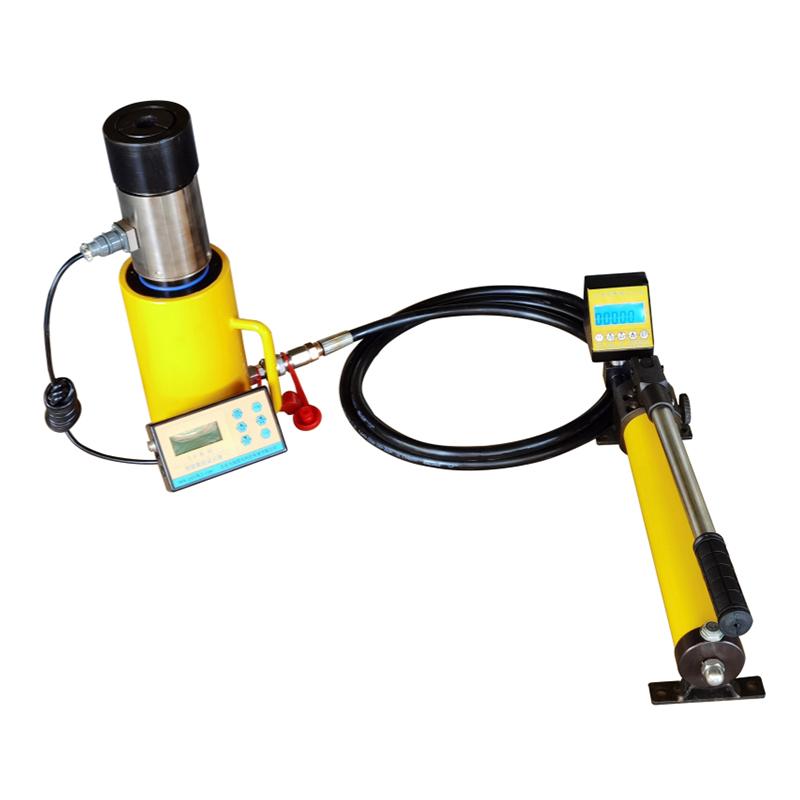
Bond strength is a key measure of bonding effectiveness, and several standardized test methods are often used to accurately evaluate adhesion performance under different adhesive and bonding conditions. Here are three common methods for testing bond strength: shear strength test, tensile strength test, and peel strength test.
1. Shear strength test
definition
Shear strength testing is a measure of a material's resistance to shear forces and is often used to evaluate the performance of an adhesive under shear load. Shear refers to the mechanical phenomenon of two objects sliding parallel or relative to each other, while shear strength is the maximum stress of an object to shear failure.
Test Method:
Shear strength testing can be performed by placing the glued sample in a dedicated shear testing device. In the test, a shear force is applied to the sample until the glued area is damaged. Common shear test methods are:
Single-sided shear:The glued sample is fixed in the fixture of the testing machine and a shear force is applied until the adhesive layer breaks.
Double-sided shear:The two pieces of material to be bonded are bonded by an adhesive, and the shear force is applied and gradually increased during the test, and the maximum shear force in the event of failure is measured.
Shear strength testing is suitable for evaluating the shear resistance of adhesives in structural applications, such as connections between materials such as metals and plastics. It is widely used in the automotive, aerospace and construction sectors, especially when evaluating bonded structures subjected to shear loads.
2. Tensile strength test
definition
A tensile strength test measures the maximum resistance of a material under tensile load. For bonded materials, tensile strength testing evaluates the adhesive's ability to adhesion when subjected to tensile forces.
Test Method:
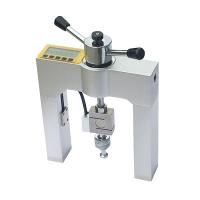
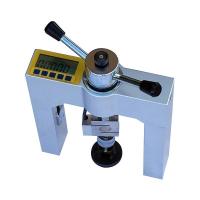
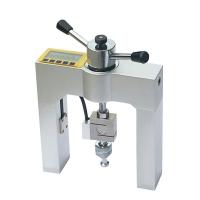
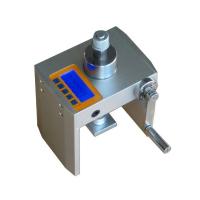
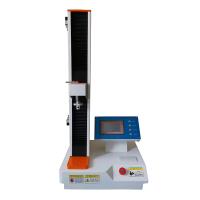
Tensile strength testing is usually performed with a Tensile Testing Machine, with the middle part of the sample being glued together. As the sample is held in the fixture, the tensile force is gradually applied to the sample. The maximum tensile force at which the sample undergoes breakage during the stretching process is recorded during the test. Test standards typically specify parameters such as loading speed, fixture size, and sample size.
Standard tensile test:Following the standard method, the glued sample is stretched to rupture, the maximum tensile force is recorded and the tensile strength is calculated.
Elongation Measurement:In addition to tensile strength, the amount of elongation of the sample during the tensile process can be measured to assess the flexibility of the bonded material.
Tensile strength testing is widely used in adhesive products that need to withstand tensile forces, such as bonding plastics, rubber, metals and other materials, especially for structural parts and applications in dynamic load environments, such as automotive body parts, electronic product shells, etc.
3. Peel strength test
definition
The peel strength test measures the resistance of an adhesive when subjected to a peel force. Peel force, which refers to the force that separates two materials along the bonding interface, is a test method commonly used to evaluate the adhesion and stability of the adhesive layer.
Test Method:
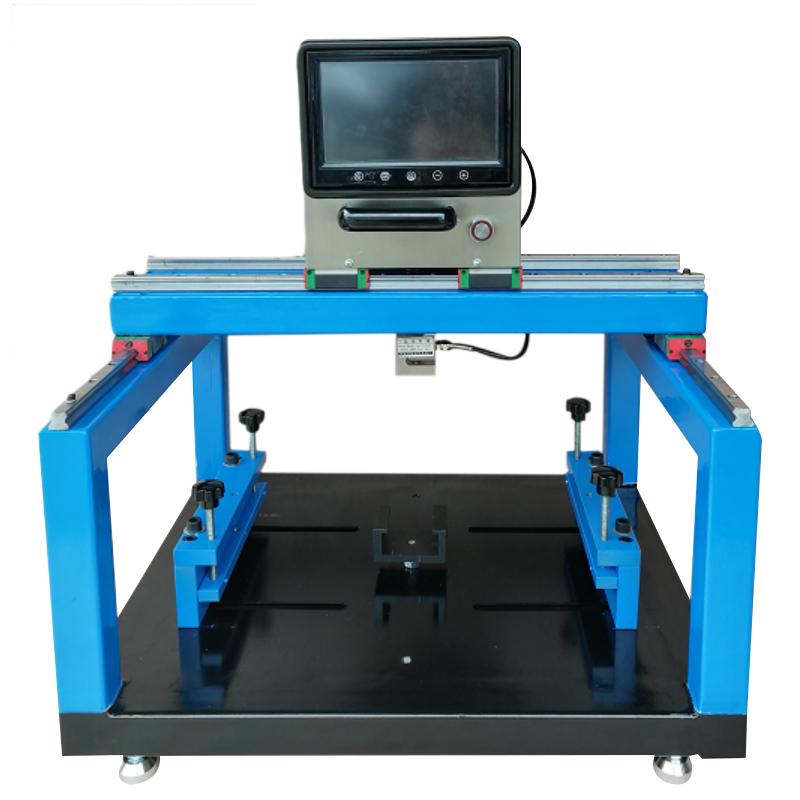
A common way to test peel strength is to test the peel resistance of the bonded area by applying force to two pieces of adhesive material in the direction of the adhesive surface. Typical peel strength tests include:
180° peel test:In this test, the adhesive sample is clamped in a tensile machine, where one piece of material is held in place and the other is pulled apart in the direction of the adhesive surface to test the peel force. This test method is suitable for most bonding applications, such as film bonding and paper, label bonding, etc.
90° Peel Test:It is suitable for thin layer bonding, and is tested when a peel force is applied to the glued sample at an angle of 90°, which is commonly used in the evaluation of bonding materials for electronic components.
Peel strength testing is widely used to evaluate the adhesion of adhesives and film materials, especially in industries such as packaging, electronics, and aviation. Because it is a direct reflection of the adhesion of the bonding interface, peel strength testing is often used to evaluate the peel resistance of an adhesive, especially in applications with high temperatures, humidity, or stress concentrations.
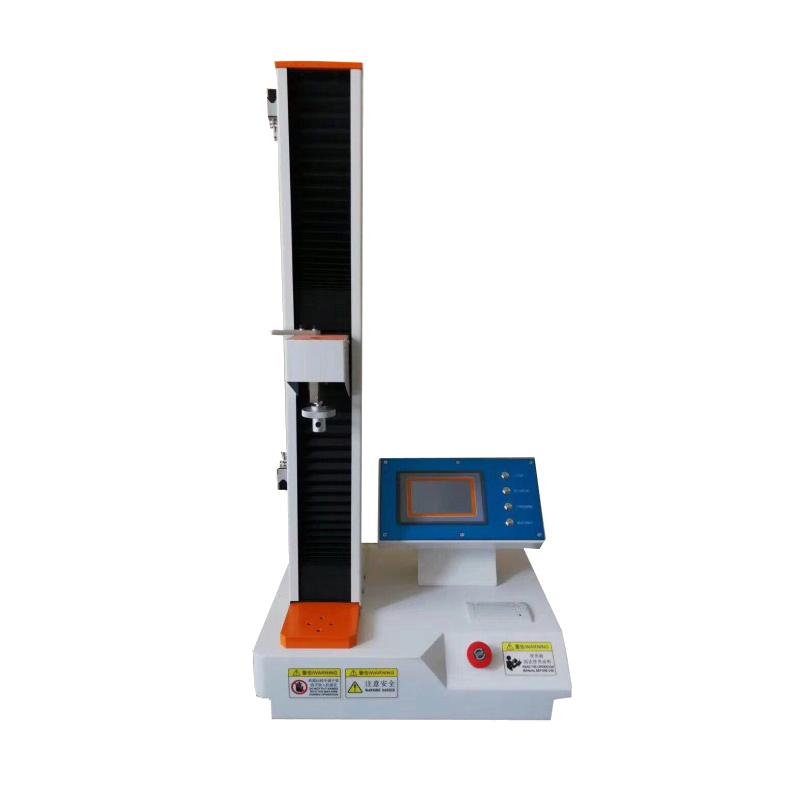
These test methods are the standard means of assessing bond strength, and each method focuses on different mechanical behaviors, making them suitable for different bonding materials and applications. The shear strength test is used for high shear stress situations, the tensile strength test evaluates the performance of the adhesive material in a tensile environment, and the peel strength test is mainly used to test the performance of the adhesive interface under peel load. Understanding these test methods and their applications can help engineers select the right adhesives and bonding options to ensure the strength and reliability of the structure.
In practice, insufficient bond strength is one of the main causes of many bond failures. There are a variety of factors that contribute to insufficient bond strength, first of all, the choice of adhesive may not be appropriate for a particular material or work environment. For example, some adhesives may not perform well in heat, humidity, or chemically aggressive environments, resulting in insufficient bond strength. Secondly, improper surface treatment is also a common cause. If the cleanliness, roughness or treatment of the surface of the adherent is not satisfactory, the adhesion of the adhesive will be greatly reduced. Finally, defects in the adhesive's formulation or application process, such as incomplete or uneven curing, can also lead to low bond strength.
Bond strength testing is essential to ensure the reliability and long-term stability of bonded structures. Through the accurate evaluation of bond strength, the performance of adhesive joints in different use environments can be effectively predicted, and structural failure and safety risks can be reduced. Therefore, it is of great practical importance to carry out bond strength tests on a regular basis, especially when it comes to adhesive and material selection, surface treatment processes, and changes in environmental conditions.