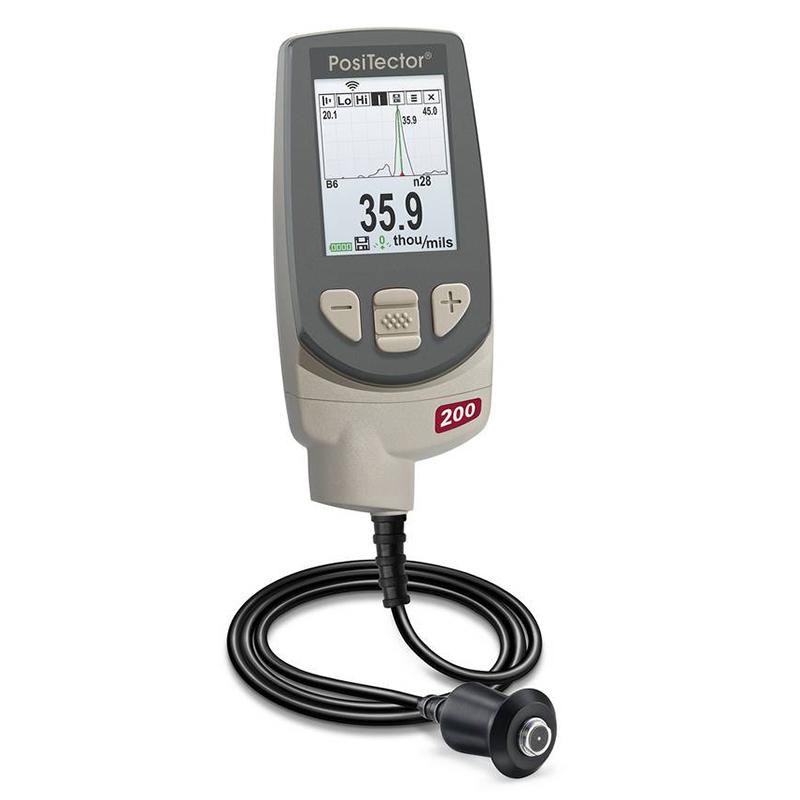
Ultrasonic Thickness Gauge is a non-destructive testing tool widely used in the industrial field, mainly used to measure the thickness of metals, plastics, coatings and other materials. It works by using the reflection properties of ultrasonic pulses to calculate the thickness of a material by measuring the time it takes for ultrasonic waves to propagate. Due to its high accuracy, ease of operation, and the fact that it does not damage the object being measured, this instrument has become an indispensable tool in daily inspection.
Composition and measuring principle
The ultrasonic Thickness Gauge consists of a main unit and a probe, the transducer emits ultrasonic pulses, and when the waves propagate through the object to reach the interface, they are reflected back to the probe, and the thickness of the object is calculated by measuring this time difference. Depending on the accuracy of the instrument, the resolution is usually 0.1mm or 0.01mm, which can accurately measure the thickness of a wide range of materials.
calibration
To ensure the accuracy of the measurement data, ultrasonic Thickness Gauges need to be calibrated regularly. The calibration process is mainly to confirm the indication error of the instrument by using a standard thickness block, measuring its thickness and comparing it with the actual value. According to industry standards, such as JF1126-2004, calibration requires the selection of appropriate thickness blocks and verification under different sound velocity conditions to ensure that the instrument is always accurate.
Instrument selection and use
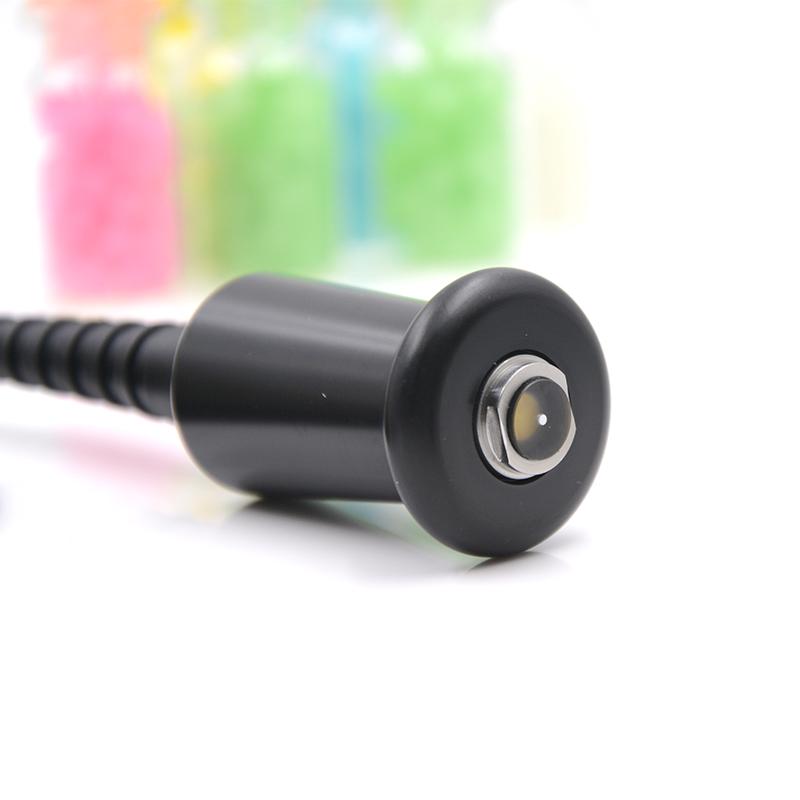
When choosing the right ultrasonic Thickness Gauge, the first thing to consider is the material of the object being measured, the thickness range, and the environment in which it will be used. Common instruments are divided into general purpose and specialty models, with general purpose suitable for most materials and specialized models optimized for specific materials. In addition, the choice of probe is also important, and the common probes are general-purpose probes, high-temperature probes, and low-frequency probes, which are suitable for different operating conditions and measurement needs.
Precautions
Surface preparation is very important in the actual measurement process. Paint, oxide layers, or excessively rough surfaces on the surface of the object can affect the coupling effect of the probe, resulting in measurement errors. Therefore, before measuring, it is often necessary to clean the surface of the object to remove unnecessary layers and ensure good coupling. In addition, choosing the right couplant is also key to ensuring accurate measurements, as too much or too little couplant can affect the measurement results.
summary
With the advancement of technology, ultrasonic Thickness Gauges have become more accurate and have a wider range of applications. But the accuracy of the instrument still depends on proper calibration and use. Through continuous accumulation of practical experience, the reliability of the measurement data is ensured, which effectively supports material quality control and structural safety testing.
