As a new type of high-performance concrete admixture, polycarboxylate superplasticizer is widely used in the production of high-strength concrete and high-performance concrete. It can effectively improve the fluidity and workability of concrete, and improve the durability of concrete. The dispersibility of polycarboxylate superplasticizers directly affects their performance in concrete, so optimizing mixing conditions to improve dispersion is a key issue in their applications.
Experimental materials and methods
Experimental raw materials
TPEG (Isoprenyl Polyoxyethylene Ether Monomer)
Acrylic (AA)
Polyether acrylic phosphate, reducing agent
Hydrogen peroxide (27%)
Mercaptopropionic acid
Deionized water
Experimental Methods
The synthesis of polycarboxylate superplasticizer is carried out in a four-mouth flask. TPEG and water are heated to 25 °C, and hydrogen peroxide, reducing agent, mercaptopropionic acid and acrylic acid are added for the reaction. The reaction time is 3 hours, and finally neutralized with liquid alkali to obtain a polycarboxylic acid superplasticizer with a content of 40%.
Stirring conditions
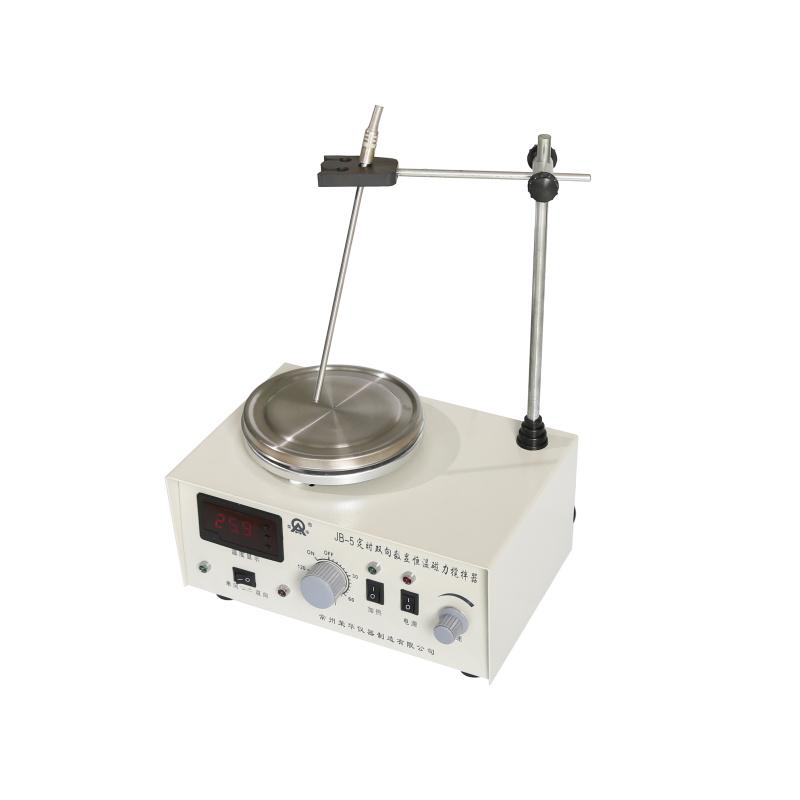
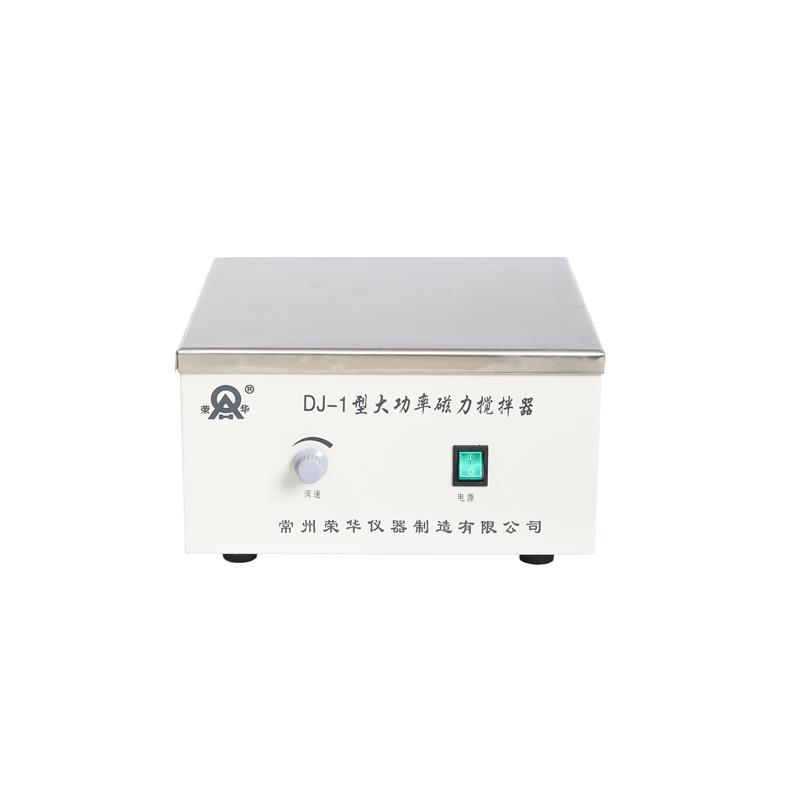
The mixing vessel is a 6L cylindrical container with a bottom diameter of 16 cm, a height of 30 cm, and a stirring paddle diameter of 9 cm. In the experiment, different stirring forms and stirring speeds were used to conduct the experiment.
Experimental results and discussion
Effect of different stirring forms on the dispersion of polycarboxylate superplasticizer
Under the condition that the stirring speed is fixed at 250r/min, six stirring forms are adopted: turbine type, frame type, double-layer inclined blade paddle type, anchor type, pusher type and single-layer inclined blade paddle type. The experimental results show that the polycarboxylate superplasticizer obtained by double-layer pitch-blade paddle stirring has good dispersion, and the initial slurry fluidity is 210mm, and the fluidity after 60min is 205mm.
Effect of stirring speed on dispersion
In the form of double-layer inclined blade paddle stirring, with the increase of stirring speed, the initial slurry fluidity and the 60min slurry fluidity first increased, and then reached the peak and then began to decrease. When the stirring speed is 250r/min, the fluidity reaches the highest, which is 213mm and 208mm, respectively. As the stirring speed continues to increase, the fluidity begins to decrease, suggesting that too fast agitation may affect dispersion.
Comparison of fluidity changes under different stirring forms
With the increase of stirring speed, the initial slurry fluidity and the 60min slurry fluidity showed similar trends under different stirring forms. Turbo agitation peaks at 300 r/min, pusher and frame at 325 r/min and 400 r/min, respectively.
conclusion
This study showed that the stirring speed and stirring form had a significant effect on the dispersion of polycarboxylate superplasticizer. The double-layer pitched paddle stirring form performs well at 250r/min. Appropriate stirring speed can improve the dispersibility of polycarboxylate superplasticizer, but too high stirring speed will introduce air bubbles and reduce the dispersion effect. Therefore, in actual production, choosing the appropriate stirring form and stirring speed is the key to improving the dispersion of polycarboxylate superplasticizer.
