As an important tool for color standardization, Color Charts play an irreplaceable role in the field of design and production. It makes it easy to record, reproduce, and communicate color information. This article will introduce several common Color Chart systems and their applications, and discuss the importance of Color Charts in modern design.
Origin and significance
The Color Chart is to print various colors on the card in a standardized form as the basis for color communication and production. The invention of Color Chart solves the problem of color recording and restoration, and makes color management more scientific and systematic. Whether in product design, graphic printing, or the textile and dye industry, Color Charts are an important tool for accurately conveying color information.
Color card system
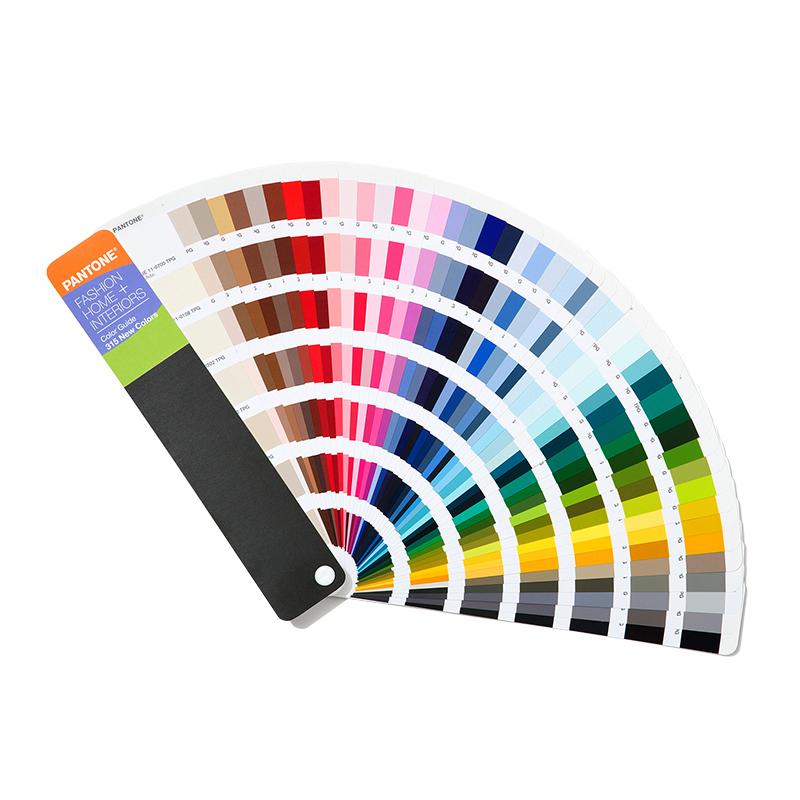
PANTONE Color Chart
Known as the international standard, PANTONE Color Charts are widely used in graphic design, textiles and plastics industries. It provides an identification for each color through a unique numbering system. PANTONE is not only suitable for traditional design, but also has developed Color Charts for the field of digital technology, which has become the universal language of color management around the world.
DIC Color Chart
The DIC Color Chart was developed in Japan and mainly serves the ink, printing and design industries. It includes standard, Japanese and traditional Chinese colors, and is especially suitable for the needs of East Asian cultural design.
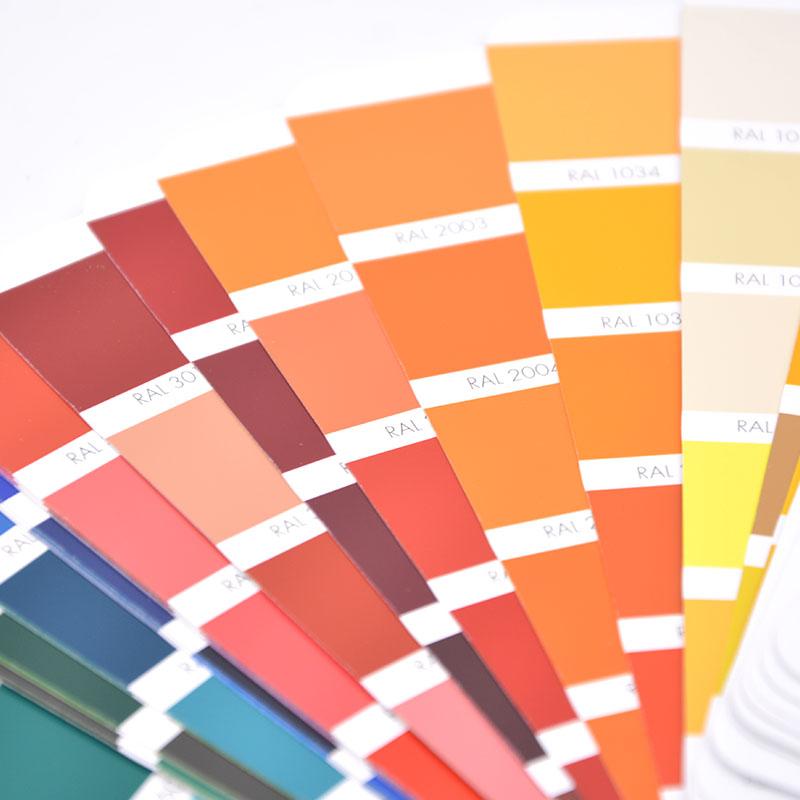
RAL Color Chart
Originating in Germany, RAL Color Charts are widely used in industry, architecture and interior design. The RAL Classic colour chart includes more than 200 standard colours, while the more complex 'RAL-D2' colour palette contains 1,625 colours, providing a precise reference for colour design.
CNC Color Chart
CNC Color Chart is a self-developed color system in CHINA, mainly for the fashion field, integrating thousands of popular colors. Its unique coding system is not only suitable for apparel design, but also provides a reliable color management solution for industrial and artistic design.
Practical application
Graphic Design & Printing –In areas such as advertising design and book publishing, Color Charts are used to determine the color of the print and ensure that the design effect is consistent with the finished product. Designers and printers can communicate color needs without barriers through Color Charts.
Textile & Apparel Industry——The Color Chart provides rich inspiration for clothing design and ensures the accurate restoration of color in the fabric dyeing. For example, PANTONE and CNC Color Charts play an important role in the global textile market.
Architecture & Interior Design –RAL Color Charts are often used in the selection of colours for architectural exteriors and interiors. Designers can quickly find a coordinated color scheme through color charts to enhance the aesthetics and functionality of a space.
Transportation & Public Facilities——In the design of transportation maps and subway route maps, the efficiency of information transmission can be improved by selecting and matching highly recognizable colors through Color Charts. For example, red, green, blue, and yellow are often used to identify different traffic lines.
Future developments
As technology continues to advance, so does the Color Chart. Digital Color Charts and online color management systems are gradually replacing traditional paper Color Charts, providing designers and manufacturers with more convenient color tools. In addition, the development of Color Charts is also paying more and more attention to regional culture and market demand. For example, DIC's traditional color chart and CNCS's popular color updates reflect the diversity and localization trend of color standards.
conclusion
As the language of color, the Color Chart builds a bridge between design, production and the market. Through color charts, we can not only accurately record and convey colors, but also give design works a unique style and vitality. In the future, the application of Color Charts will be more extensive and intelligent, bringing more possibilities for creative design.
