In the petroleum, chemical, natural gas and other industrial fields, the leakage of combustible and toxic gases is a common and serious safety hazard. Because the exact location of gas leaks is difficult to predict, these gases can leak unnoticed, leading to a range of dangerous events such as fires, explosions, and even poisoning. A typical case is the liquefied petroleum gas leakage and explosion accident of Dalian Petrochemical Company in 1984, which brought huge losses to the company and the surrounding residents. Therefore, it has become an important safety measure to set up flammable and toxic gas alarms in these high-risk industrial sites for real-time monitoring and alarm signals. This not only identifies gas leaks in the event of a leak, but also gives on-site operators enough time to take emergency action to avoid accidents.
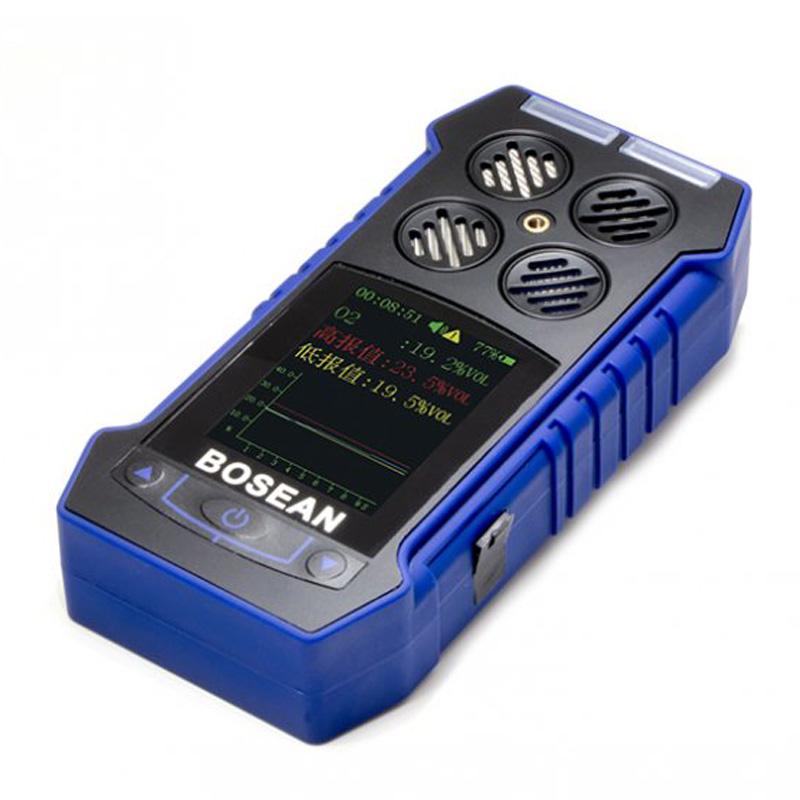
Features & Benefits of Alarms:
First of all, the alarm is equipped with a low-power detection circuit, which can effectively improve energy utilization and extend the service life of the equipment. Secondly, the shell of the alarm is made of stainless steel, which has good corrosion resistance, and is especially suitable for use in various harsh industrial environments. In addition, the alarms have a high explosion-proof rating, which meets the strict safety requirements of industrial sites and guarantees reliable operation under extreme conditions. Importantly, the sensors of the alarms are extremely sensitive and can respond quickly to changes in gas concentration, ensuring that gas leaks can be detected and alarm signals in the shortest possible time. These advantages make this alarm play a vital role in safety monitoring in the industrial sector.
Detection scope and classification
Combustible gas
It mainly detects Class A gases and liquefied hydrocarbons when the lower explosion limit concentration (LEL) is less than 10% or the difference between the upper and lower limits is large. The detection range typically extends from zero to above the lower explosion limit.
Toxic gases
It involves the detection of seven common toxic gases such as hydrogen sulfide, carbon monoxide, and chlorine. The upper limit of detection must be higher than 3 times the maximum allowable concentration. Oxygen can be detected up to 40% for leakage and hypoxia monitoring.
The composition and principle of the alarm
Flammable and toxic gas alarms are usually composed of multiple parts, including Detectors, suction sampling devices, indicators, and alarm displays. According to the different working principles, Detectors can be divided into catalytic combustion type and electrochemical type. Catalytic combustion sensors are suitable for the detection of combustible gases, which introduce combustible gas into the combustion gas chamber of the sensor and use the heat of flameless combustion of the catalyst on the wire to change the resistance of the wire, and then generate a voltage signal proportional to the gas concentration. This change is processed by the circuit to give an accurate gas concentration. Electrochemical sensors are mainly used for the detection of toxic gases, and an electrolytic current is generated through an electrolytic reaction proportional to the gas concentration. This type of sensor has high sensitivity, is able to detect very low concentrations of gases, and has strong selectivity to effectively isolate the effects of interfering gases. Other components of the alarm, such as the suction sampling device and the alarm display, ensure the accurate collection of gas samples and the real-time display of concentration, and send out audible and visual alarms in time when the gas concentration exceeds the standard.
Setup & Installation
The installation and installation of flammable and toxic gas alarms is a key part of ensuring their effective operation. First of all, in places where flammable and toxic gases exist at the same time, corresponding alarms should be set according to the characteristics of the gas. For example, in some environments, the gas concentration may first reach the lower explosion limit of combustible gas, but the concentration of toxic gas does not reach a dangerous level, then only a combustible gas alarm needs to be set; In other cases, it may be necessary to set up both flammable and toxic gas alarms. The detection range and alarm level (level 1 and level 2) of the alarm should be reasonably configured according to the actual needs to ensure that it can cope with different gas leakage situations. The location of the installation is also crucial. Lighter-than-air gases should be installed above the leak source, while heavier-than-air gases should be installed close to ground or low-lying areas. When installing, also ensure that the Detector is not affected by heat, vibration or corrosive gases, which can affect the performance and life of the alarm.
Application examples
In practical applications, flammable and toxic gas alarms have been widely deployed in many industrial fields and have achieved remarkable results. For example, in the four-joint workshop, where the concentration of hydrogen sulfide is high, after the installation of alarms, real-time monitoring and alarm of gas leakage can be realized. When the hydrogen sulfide concentration is detected, the alarm will send out an audible and visual signal in time, and the operator can immediately take emergency measures to ensure the safety of personnel. In the liquefied gas storage area, due to the flammable and explosive nature of liquefied petroleum gas, combustible gas alarms are installed in the pump room and storage tank area, which effectively avoids the risk of explosion caused by leakage. In addition, in the online analysis room, the alarm is linked with the steam line and ventilation equipment, and when the gas concentration exceeds the standard, the relevant equipment is automatically activated for ventilation and purging, which further improves safety. These use cases demonstrate the importance of alarms in industrial safety.
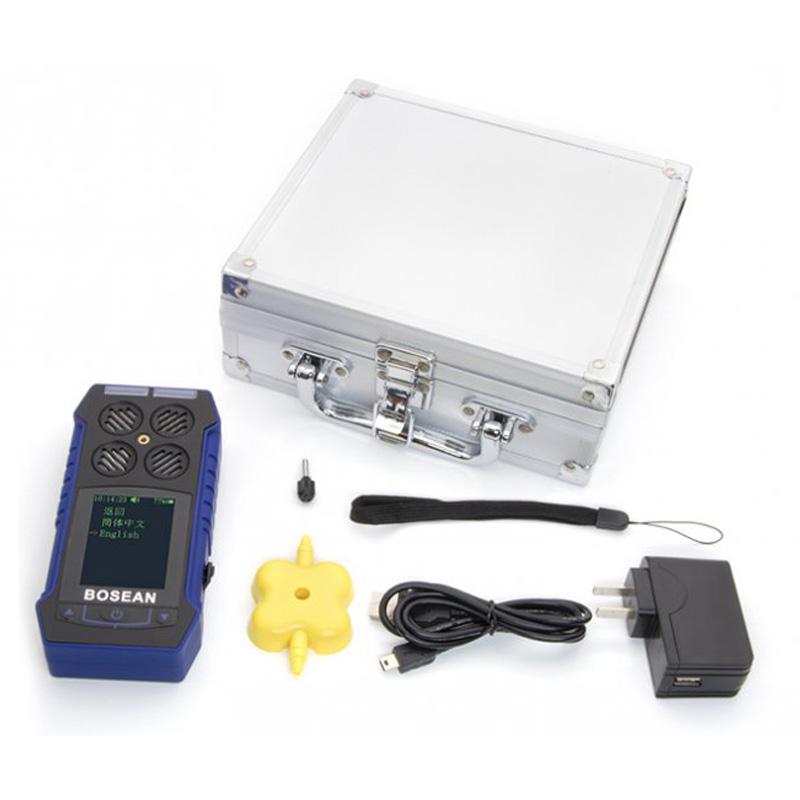
summary
Safety is the cornerstone of sustainable business development. By selecting the right gas detection alarm and ensuring its normal operation, enterprises can not only effectively prevent accidents, but also ensure the safety of employees and the smooth progress of production. The flammable and toxic gas alarms of Beijing Huade Technology Co., Ltd., with its superior performance and reliability, have become reliable equipment for industrial safety protection of major enterprises. In the future, with the continuous progress of technology and the increasingly stringent safety standards, gas detection alarms will be more widely used in more industrial fields to escort the safe production of enterprises.
