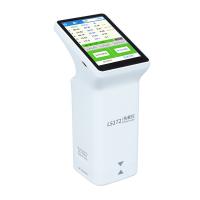
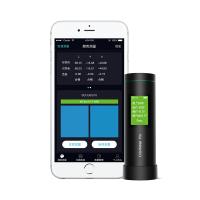
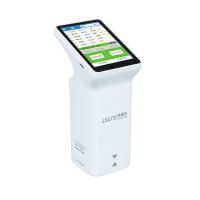
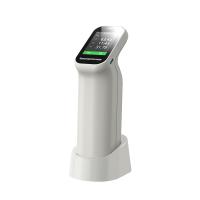
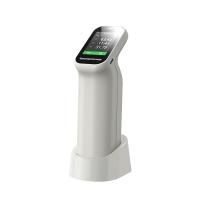
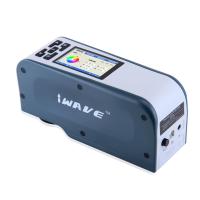
In the paper industry, the color of the paper and its surface color difference is one of the key indicators to measure the quality of the product. Once the product has color difference, it will not only affect the appearance quality of the product, but also may damage the reputation of the enterprise, and even cause product waste. Traditional visual evaluation methods are easily affected by subjective factors and environmental factors, resulting in large errors. Therefore, the use of Colorimeter for objective measurement has become an important means to control color difference in the modern paper industry. The Colorimeter can effectively prevent and control the color difference phenomenon by objectively evaluating and quantifying the depth and size of the color.
The basic properties of color
In the process of paper making, the measurement of color is the basis for the measurement of color difference. All colors can be described by three attributes: lightness, hue, and saturation. Brightness indicates how bright the surface of an object is, with white having the highest brightness, black having the lowest, and gray lightness in between. Hue is the property of colors that distinguish each other from each other, and is manifested in various shades visually. Saturation refers to the purity of a color and is related to the vividness of the color. In the process of color mixing and dyeing of paper, by detecting these three indicators, color difference can be effectively prevented and controlled. Chromatic difference refers to the difference between the two colors to give color vision, in papermaking products, chromatic difference is an important indicator of quality, customers and manufacturers want to produce product color within the specified allowable range, in order to ensure the consistency of printing color.
Application of the chromatic aberration formula
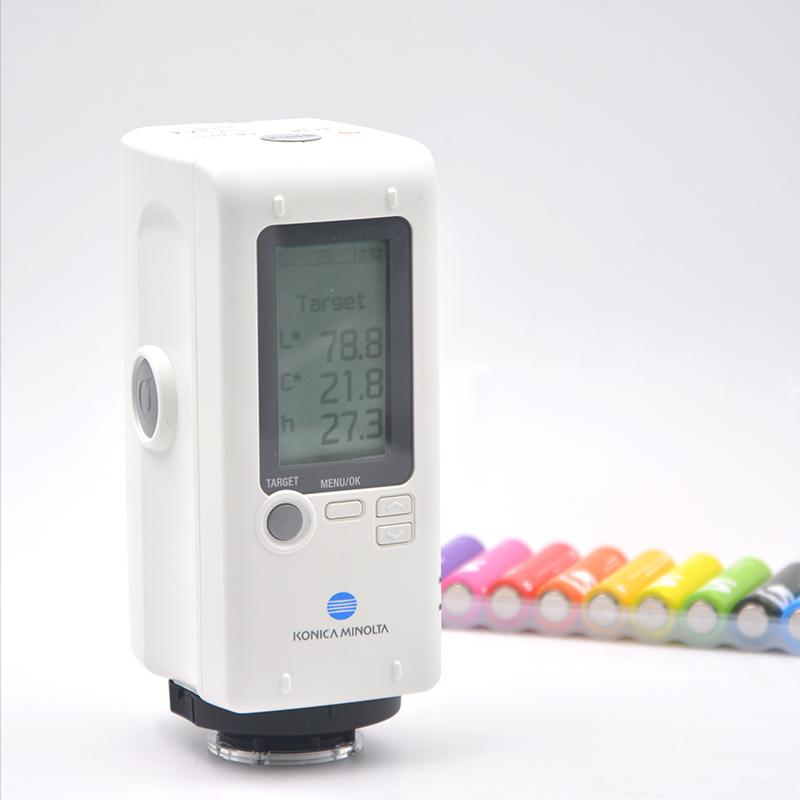
Due to the non-uniformity of the color space, the color difference is not easy to calculate directly. Therefore, people have searched for and established a uniform color space and its corresponding chromatic aberration formula to maintain consistency with the human eye, making the calculation of chromatic aberration simple and straightforward. The CIELAB chromatic aberration formula is one of the most widely used methods for calculating chromatic aberration, which quantifies chromatic aberration by measuring three dimensions of color: brightness (L), red-green (a), and yellow-blue (b). The Colorimeter is measured and calculated based on the CIELAB color difference formula, which can provide accurate color difference values to help enterprises effectively control the color difference of paper products.
Comparison of visual inspection and instrumental evaluation
In actual production, visual inspection is a relatively common identification method, which is simple and convenient, and can prevent and control the more obvious color difference. However, the visual inspection method is easily affected by the light source, the environment, and the eyesight and color discrimination experience of the evaluator, which is prone to large errors, resulting in objections and disputes between manufacturers and customers. Therefore, the use of instrumental evaluation instead of visual evaluation can effectively eliminate these problems. In order to more accurately track the color difference of the paper and adapt to the needs of the international market, enterprises usually use a professional Colorimeter for detection. The Colorimeter calculates the color difference value through the CIELAB color difference formula, which can objectively evaluate the color depth and the size of the color difference, provide accurate measurement results, and help enterprises effectively control the color difference of paper products, improve product quality and customer satisfaction.
Application advantages of Colorimeters
In the paper production site, although the color can be visually evaluated, it is easy to be affected by the subjective factors of the Tester and the environment, and the error is large. The use of Colorimeter can not only control the color difference value within the visual range, but also evaluate the color fastness level, measure the whiteness, determine the color of the sample, etc., so as to prevent and control the color difference of the paper. With the continuous advancement of technology, the application of Colorimeter in the paper industry will become more and more extensive, providing strong support for improving product quality and production efficiency.
conclusion
In paper production, although the color can be visually evaluated, it is susceptible to subjective factors and environmental influences, and the error is large. The use of a Colorimeter can not only control the color difference value within the visual range, but also evaluate the color fastness level, measure the whiteness and determine the color of the sample, so as to effectively prevent and control the color difference. With the continuous advancement of technology, the application of Colorimeter in the paper industry will become more and more extensive, providing strong support for improving product quality and production efficiency.