In chemical experiments, heating is a key step in accelerating chemical reactions, achieving distillation, fractionation, and other operations. However, due to the flammable and explosive nature of most organic compounds and solvents, laboratory safety regulations explicitly prohibit the use of direct use of open flames for heating (except for special needs). In order to ensure the uniformity and safety of heating, laboratories usually use indirect heating and use hot baths as the heat transfer medium. This article will systematically introduce the heating instruments commonly used in the laboratory and their use techniques, covering a variety of heating methods such as Water Bath, Oil Bath, sand bath and electric heating jacket.
1. Water bath and steam bath
Applicable scenarios and characteristics
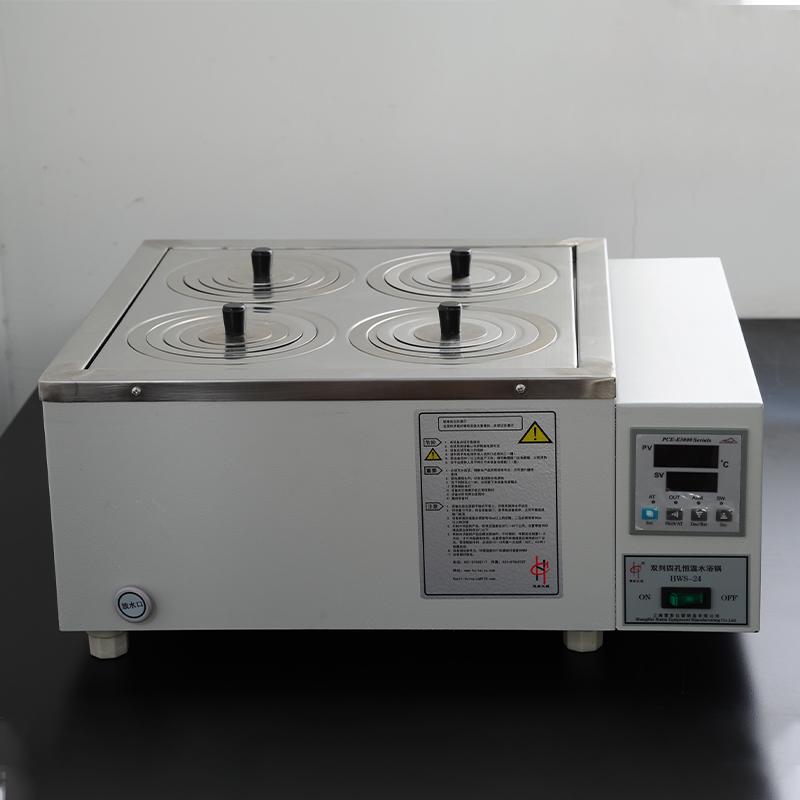
Water baths and steam baths are one of the common heating methods in the laboratory, which are suitable for experiments with heating temperatures up to 100°C. Water baths use water as a heat transfer medium to provide a uniform and gentle heating environment, making them particularly suitable for temperature-sensitive reaction systems. The steam bath uses the heat of water vapor for heating, and is suitable for experiments that require a higher temperature but still fall below 100°C.
Precautions for use
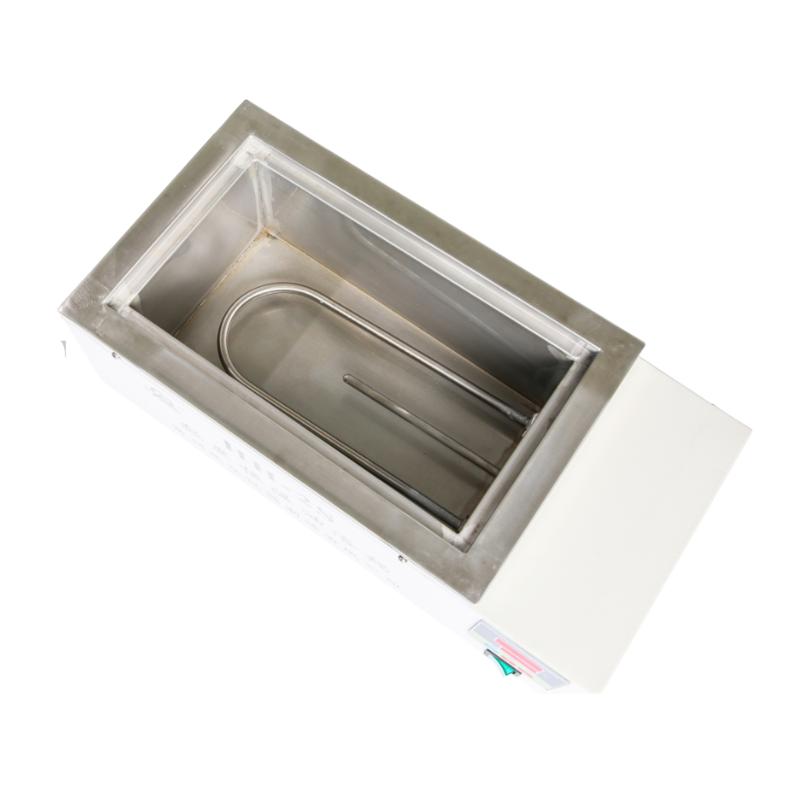
When the experiment involves reactive metals such as potassium and sodium, or when it is necessary to operate without water, it is strictly forbidden to use a Water Bath to avoid causing a fire or failing the experiment.When the Water Bath is heated, the container should not be in direct contact with the wall or bottom of the Water Bath to avoid local overheating. As the water in the bath is constantly evaporating, hot water needs to be added at the right time to ensure that the water level is always slightly above the liquid level in the container.Electrically heated porous thermostatic Water Baths have become a common equipment in laboratories because of their precise temperature control and easy use.
2. Oil bath
Applicable scenarios and characteristics
The Oil Bath is suitable for experiments with heating temperatures between 100~200°C. The advantage is that the heating is uniform, and the reactant temperature is usually about 20°C lower than the Oil Bath temperature. Commonly used Oil Bath media include glycerin, vegetable oil, paraffin oil and silicone oil.
Commonly used Oil Bath medium
Glycerin – can be heated to 140-150°C, but too high a temperature can cause charring.
Vegetable oils, such as vegetable oil, peanut oil, etc., can be heated to 220°C. In order to prolong the service life, 1% hydroquinone and other antioxidants are often added. However, it is important to note that too high a temperature may lead to decomposition and even combustion.
Paraffin oil - can be heated to about 200°C, although it is not easy to decompose, but it is flammable.
Silicone oil - high stability, good transparency and safety below 250°C, it is a commonly used Oil Bath medium in the laboratory, but the price is higher.
Precautions for use
Special care should be taken when heating the Oil Bath to avoid fire. When the Oil Bath is smoking, the heating should be stopped immediately.A thermometer should be hung in the Oil Bath to monitor the temperature in real time and prevent overheating.After heating, the reactor is clamped with iron clamps, suspended for a moment to dry the attached oil droplets, and then the wall of the reactor is wiped with a piece of paper or dry cloth.
3. Sand bath
Applicable scenarios and characteristics
Sand baths are suitable for experiments with heating temperatures above 220°C. It uses dry fine sea sand or river sand as a heat transfer medium, and the reactor is buried in the sand for heating. Sand baths have the advantage of being suitable for high temperatures, but they are slower to transfer heat and more difficult to control temperature.
Precautions for use
Sand layer thickness: The sand layer should be as thin as possible to improve heat transfer efficiency.
Temperature monitoring: A thermometer is inserted into the sand bath to ensure that the mercury ball is close to the reactor to accurately measure the temperature.
Applicability: The sand bath is suitable for high-temperature experiments with low requirements for temperature control.
4. An electric heating jacket
Applicable scenarios and characteristics
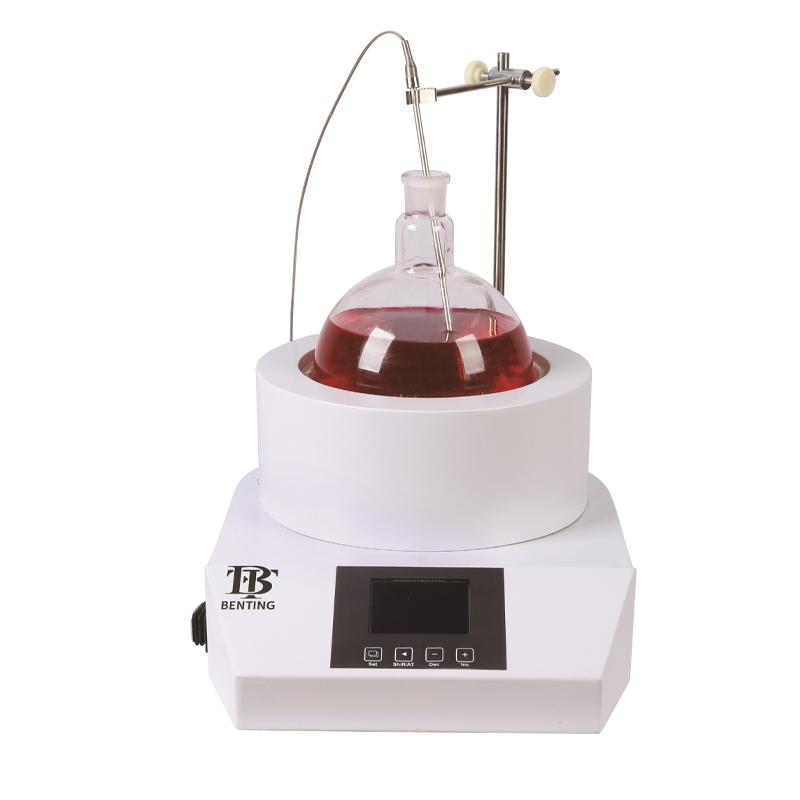
The heating jacket is a cap-shaped heater consisting of a fiberglass encased heating wire, suitable for experiments with heating temperatures up to 400°C. Its advantages are non-open flame heating, high safety, and high thermal efficiency. The heating temperature can be precisely controlled by means of a voltage regulating transformer.
Precautions for use
Although the heating jacket is not easy to catch fire, it can still cause a fire if flammable liquids (such as alcohol, ether, etc.) are sprinkled on it.Use a voltage regulating transformer to adjust the temperature and avoid overheating.The electric heating jacket is a simple and safe heating device in organic laboratories and is widely used for a variety of heating needs.
In the laboratory, choosing the right heating method is critical to the success and safety of the experiment. Water baths and steam baths are suitable for low-temperature heating, Oil Baths are suitable for medium-temperature heating, and sand baths and electric heating jackets are suitable for high-temperature experiments. Regardless of the heating method used, it is necessary to strictly follow the operating specifications to ensure the safety of the experiment. With the rational selection and use of heating instruments, the experimental efficiency and success rate will be significantly improved. It is hoped that this article can provide a valuable reference for laboratory workers and help the smooth progress of the experiment.
