The viscosity of a coating is one of its important physical properties, which directly affects the applicability, leveling, drying time and final coating quality of the coating. Viscosity refers to the internal friction between molecules when a fluid flows under the action of external forces, which is usually divided into dynamic viscosity, kinematic viscosity and conditional viscosity. Different coating systems and application scenarios require the selection of the appropriate viscosity determination method. This article will introduce several common methods for determining the viscosity of coatings, their advantages and disadvantages, and discuss the conversion methods between different viscosity units.
Stormer viscometer method
Stormer viscometer is a viscosity Measurement Instrument widely used in laboratories, suitable for measuring acrylic topcoats, epoxy primers, chlorinated rubber paints and other systems of coatings. The measurement principle is to balance the torque generated by the weight with the viscosity resistance of the paint to obtain the KU value of the paint. The measuring range of the Stormer viscometer is 40~140 KU, which is easy to operate, and only the paddle needs to be removed and cleaned after the measurement. However, the instrument is environmentally demanding, and vibration and humidity can affect the accuracy of the measurement and shorten the life of the instrument. With the upgrading of technology, the STM-KU2 viscometer can directly display the viscosity KU value and CP value digitally, which improves the measurement efficiency and accuracy.

En's viscosity method (Tu-1 viscometer method)
The Engel viscosity method is applicable to standards such as GB/T 266, ASTM D1665, IP212, etc., and calculates the viscosity by measuring the ratio of the time required for 200 mL of liquid to flow out at 20°C to the outflow time of distilled water, and the unit is Engela degrees. This method is suitable for the measurement of relative conditional viscosity, but the test device is complex to build, and the cleaning process is cumbersome, especially for products with large viscosity, it is not suitable to use the En's viscosity method.
Tu-4 viscometer method
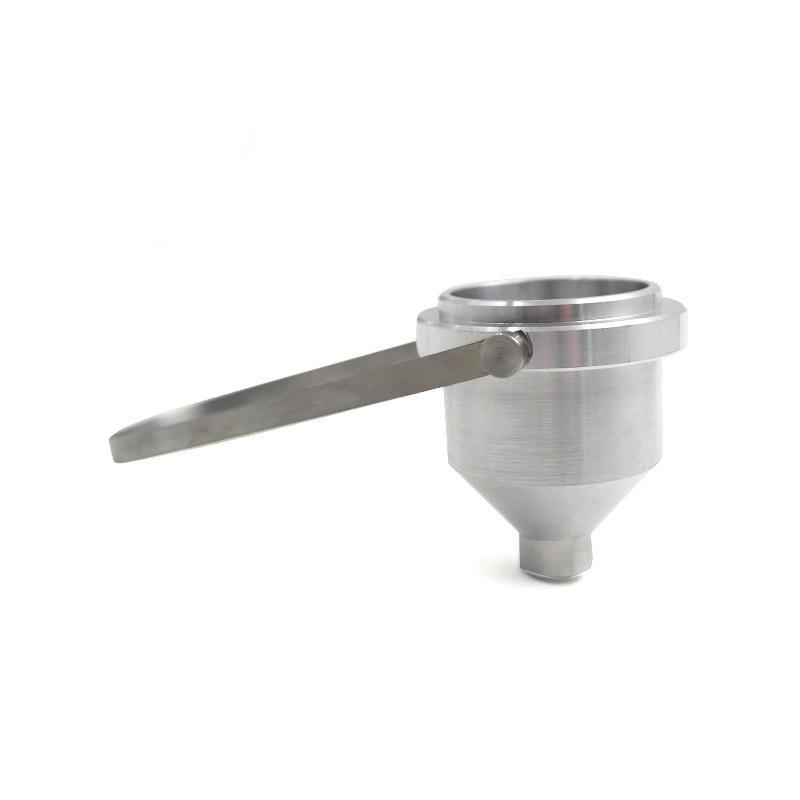
The coat-4 viscometer method is suitable for paint products with an outflow time of less than 150 seconds, and is usually used to measure low-viscosity coatings such as floor varnishes and wood coatings. The measuring principle is to determine the viscosity in seconds by the time it takes for the paint to flow out of the standard hole at the bottom. The Tu-4 viscometer has a simple structure and easy to operate, but the outflow hole is easy to block and needs to be thoroughly cleaned to ensure the accuracy of the measurement results.
Rotational viscometer method
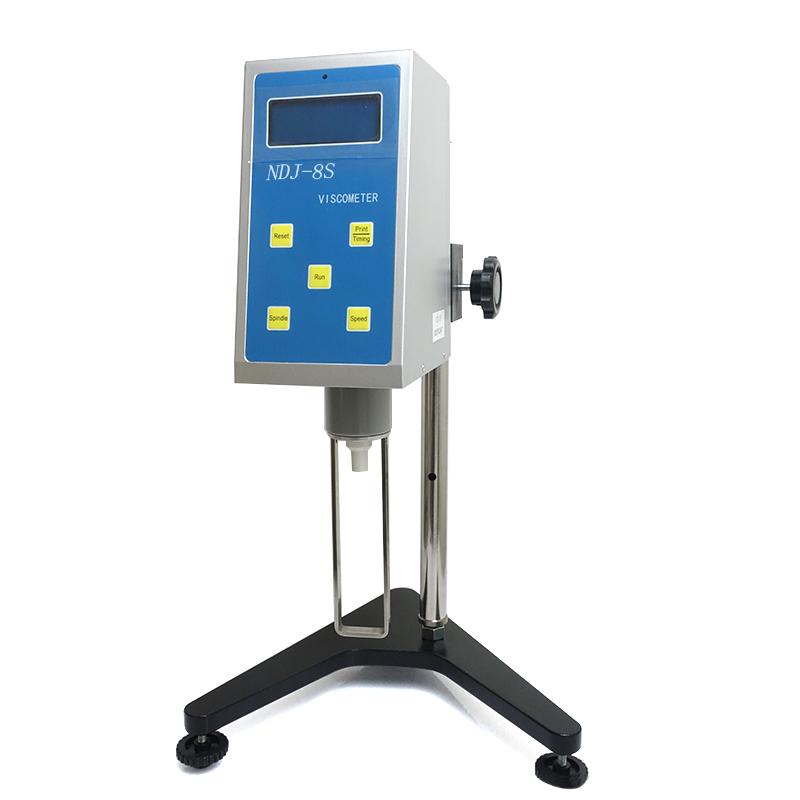
The Rotational Viscometer can measure the absolute viscosity of liquids of 10~100,000 mPa·s through the combination of different rotors and rotation speeds. This method is suitable for measuring the viscosity of resins and the TI value of epoxy zinc-rich primers, and can also be used for viscosity control of intermediate products. The Rotational Viscometer has a wide range of measuring ranges, and is suitable for many fields such as coatings, greases, food, and drugs. However, the instrument requires a high rotor finish and is not suitable for measuring corrosive liquids.
Falling ball viscosity method
The principle of a falling ball viscometer is to calculate viscosity by measuring the velocity at which a steel ball falls freely in a liquid. The greater the viscosity, the longer the ball will fall. This method is suitable for transparent Newtonian liquids, but not for opaque liquids. Due to the tendency to bubble formation in highly viscous fluids, the measurement results may be biased, so parallel tests are required to reduce errors.
Iwata Viscosity Cup method
Iwata Viscosity Cups are widely used for on-site measurements because they are easy to carry and easy to operate. When measuring, the Iwata cup is immersed in the fluid, and the timing is measured at the same time as the cup is raised, and the timing is stopped when the fluid breaks for the first time. The Iwata method is suitable for fluids with an outflow time of 20~105 seconds, but it cannot measure thick-coated primer paints with high viscosity.
Different viscosity determination methods are suitable for different coating systems and application scenarios. Choosing the right assay is critical to ensuring the accuracy and reliability of your measurement results. Temperature is an important factor affecting viscosity, and the test temperature is usually 25°C. In order to ensure the accuracy of the viscometer, in addition to the annual inspection, it can also be calibrated with a stable viscosity standard silicone oil.
