The hardness of the coating film is an important index to evaluate the mechanical properties of the coating, which reflects the ability of the coating surface to resist the action of external forces. In practical application, according to different test principles and requirements, three main measurement methods are used: pendulum damping method, scratch method and indentation method. Each of these methods has its own characteristics and is suitable for evaluating the properties of different types of coatings.
Pendulum damping hardness determination method
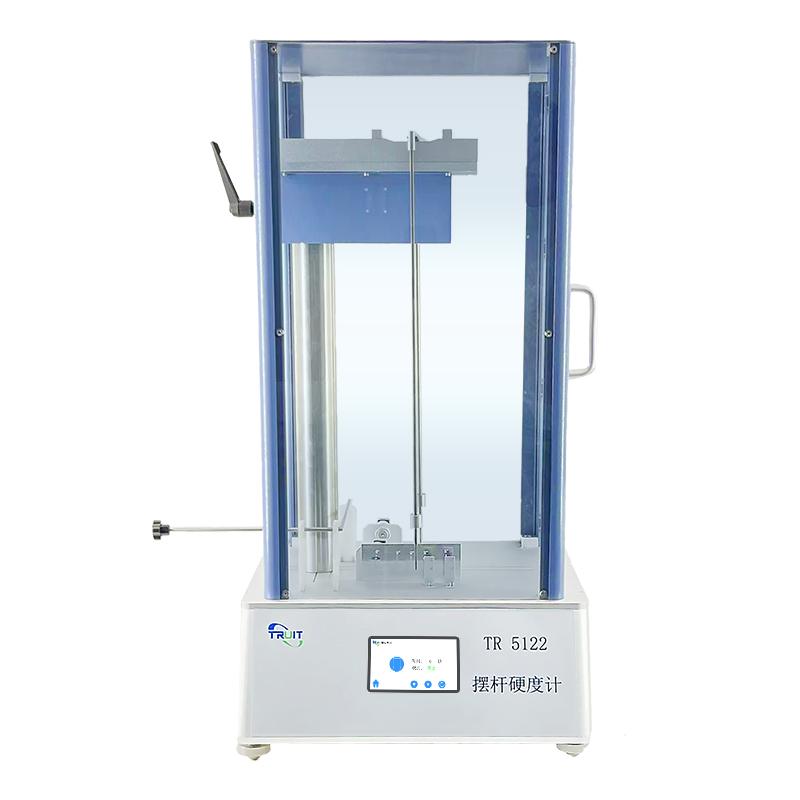
The pendulum damping method is a non-destructive test method that evaluates the hardness of a coating film by measuring the time it takes for the pendulum to oscillate on the surface of the coating. This method is particularly suitable for evaluating the elasticity and viscoelasticity of coatings.
For testing, a special pendulum Hardness Tester is used, and the common ones are Koenig pendulum and Persaz pendulum models. The structural design of these two instruments is different, and the test results cannot be directly converted to each other. For the experiment, a glass plate coated with the sample is placed on the test bench with a steel ball at the end of the pendulum in contact with the surface of the coating. When the pendulum starts to oscillate, the amplitude of the pendulum will gradually decrease due to the resistance of the coating to the oscillation. The hardness level of the coating can be judged by accurately measuring the time it takes for the pendulum to decay from its maximum swing to a specific angle. The longer the decay time, the harder the coating.
This method needs to be carried out in a constant temperature and humidity environment to avoid airflow interference. Since the testing process does not damage the coating, it is particularly suitable for quality control inspections of varnishes and basecoats.
Scratch hardness determination
The scratch method is a test method that determines the ability of a coating to resist scratches by applying scratches to its surface. This method provides a visual reflection of the surface hardness of the coating.
The test uses a drawing pencil of standard hardness, with a total of 20 grades from the hardest 9H to the softest 9B. For testing, the pencil is sharpened out of a specified length of refill and scratched at a fixed angle across the surface of the coating. The hardness level of the coating is determined by observing whether it is scratched. The hardness of the coating film is usually measured by the hardness of a pencil that is just not enough to scratch the coating.

This method not only reflects the hardness of the coating, but also indirectly reflects the adhesion of the coating to the substrate. Because the test process will cause certain damage to the coating, it is suitable for the quality inspection of products such as industrial coatings and automotive paints with high hardness.
Indentation hardness determination
The indentation method evaluates the hardness of a coating by measuring its degree of deformation under pressure, which is particularly suitable for performance testing of rigid coatings.
Special indentation instruments are used for testing, such as Buckholz indentation instrument, Knoop indentation instrument, etc. These instruments use indenters of different shapes to press into the surface of the coating under a defined load, holding them for a certain period of time to measure the size of the indentation left behind. Depending on the length or diameter of the indentation, the hardness value of the coating can be calculated.
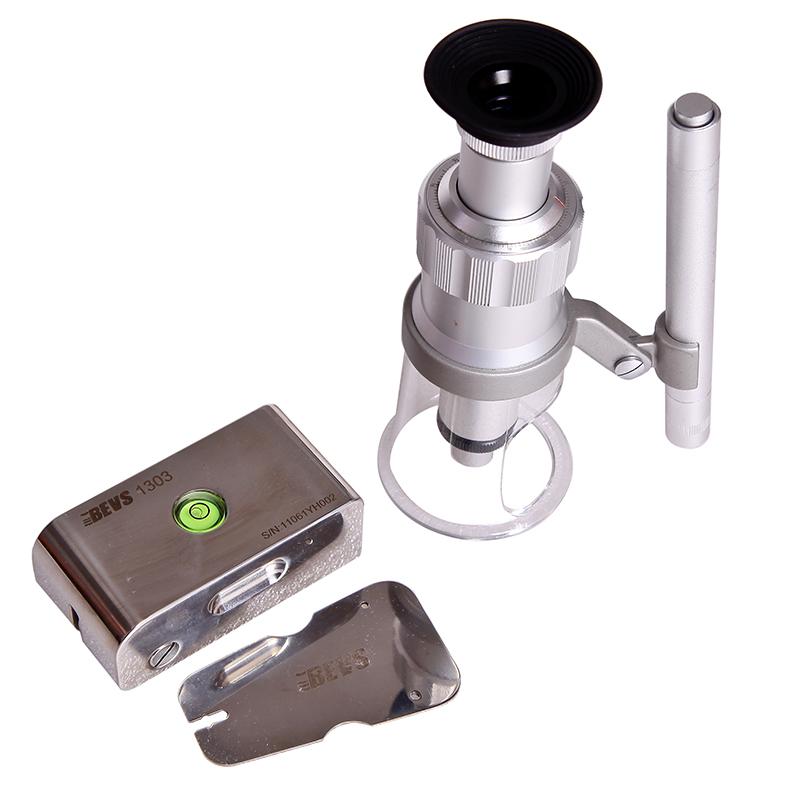
It is important to note that the indentation hardness test results will be affected by the thickness of the coating. In general, thin coatings with the same formulation will test higher values than thicker coatings. In addition, the test results of this method for more elastic coatings, such as rubber paints, may not be accurate enough. Light or colored coatings should be selected for testing, which makes it easier to observe and measure the indentation.
All in all, in a practical application, the choice of which test method needs to consider the characteristics of the coating and the purpose of the test. The pendulum method is suitable for non-destructive elastic testing, the scratch method is suitable for evaluating scratch resistance, and the indentation method is more suitable for performance analysis of rigid coatings. Regardless of the method used, it should be operated in strict accordance with the provisions of national standards or industry standards to ensure the accuracy and comparability of test results. At the same time, details such as temperature and humidity control of the test environment, sample preparation and curing, etc., will affect the final result and require special attention.
