OneDefinition and working principle of flash point meter
Definition of flash point meter
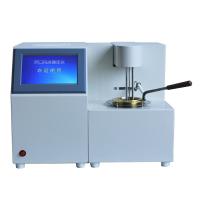
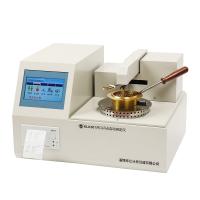
A flash point meter is an instrument specifically designed to determine the flash point of liquids or solids. Flash point refers to the lowest temperature at which a substance's vapor forms a combustible mixture with air under specific conditions and can instantly flash when encountering an open flame or high temperature. This parameter is an important indicator to measure the flammability of substances and is of key significance for judging the risk of fire and explosion during the storage, transportation and use of substances. By using flash point meters to accurately determine the flash point of substances, relevant personnel can take corresponding safety measures in advance to avoid potential hazards.
How the flash point meter works
The core working principle of a flash point meter is based on a program of temperature rise and automatic ignition detection to determine the flash point of a substance. The specific process is as follows: First, the sample to be tested is placed in the test cup, and the instrument will heat the sample evenly at a pre-set rate, which is usually around 1 - 5°C/min. As the temperature rises, the sample gradually evaporates to produce combustible vapor. When the temperature approaches the estimated flash point, the instrument will automatically activate the ignition device, which can be an electric spark or flame, etc., to periodically ignite the sample vapor. Once the vapor and air are mixed to reach a combustible concentration and instantaneous flashing occurs, the instrument will detect the flash signal through the flame sensor or thermocouple, and record the temperature at this time, which is the flash point value of the substance.
According to different test methods, flash point meters are mainly divided into two categories: closed flash point meters and open flash point meters. The test cup of the closed-mouth flash point meter is completely closed and only briefly opened when ignited, a design that makes it suitable for substances with low flash points, such as ethanol, solvent oil, etc. Testing in a confined environment provides a more accurate simulation of the flash risk of substances under confined storage or use conditions. The test cup of the open flash point meter is open, and the vapor can diffuse freely, which is suitable for high flash point oils, such as lubricating oil, diesel, etc., and its test conditions are closer to the environment when the substance is actually stored and used.

2. Key points of flash point meter
Selection of test types
When choosing a flash pointer, first consider the type of test, that is, whether to choose a closed or open flash meter. For low-flash point, volatile substances, such as some organic solvents, closed-mouth flash point meters are a more suitable choice. Because in practical applications, these substances are often stored and used in relatively closed environments, closed-mouth flash point instruments can simulate this environment, measure their flash point more accurately, and thus evaluate their fire hazard in actual use. For oils with high flash point, the open flash point meter is more suitable. High flash point oils are usually stored and used in an open or semi-open environment, and the test method of open flash point meters can better reflect their flash characteristics in the actual environment.
Measurement range and accuracy
Measurement range and accuracy are also important factors to consider when selecting a model. Conventional flash point meters generally have a test range of room temperature to 400°C, but in some special scientific or industrial applications, a higher or lower temperature range may be required. At the same time, the requirements for precision vary depending on the application scenario. In some scientific research projects with extremely high data accuracy requirements, it is necessary to choose a flash point instrument with high-precision measurement capabilities, and its measurement error can usually reach ±0.5°C, which can provide reliable data support for scientific research. In general industrial production, according to the specific production requirements, the selection of the appropriate accuracy level of flash point meter can meet the needs of production quality control.
Degree of automation
Modern flash point meters vary in degree of automation, which is also an aspect to consider when selecting a model. The highly automated flash point meter has functions such as automatic heating, ignition, and data logging, which can greatly reduce errors caused by human operation and improve test efficiency and reliability of results. The high-end model of the flash point meter also supports functions such as barometric pressure correction and remote control, which gives it a greater advantage in rapid testing in the laboratory or in the field. In some places where flash point testing is required frequently, flash point meters with a high degree of automation can save a lot of labor and time costs.
Meet the standards
Different industries have different standards and specifications for flash point testing, so it is important to ensure that the instrument meets the appropriate standard requirements when selecting a model. For example, in CHINA, the national standard GB/T 261 needs to be followed, and internationally, standards such as ASTM D93 or EU EN ISO 3679 are also widely used in flash point testing. Only by choosing a flash point meter that meets relevant standards can its test results be recognized by the industry and provide a legal and effective basis for production, transportation and other activities of enterprises.
Special functional requirements
In addition to the above common selection factors, some special application scenarios may also require flash point meters to have special functions. For example, for substances that need to be tested in a cryogenic environment, it is necessary to choose a flash point meter with cryogenic testing capabilities such as -70°C to room temperature. For some corrosive samples, flash point meters need to have a corrosion-resistant design to ensure the service life of the instrument and the accuracy of test results. In addition, if you need to test trace samples to reduce sample waste, you need to choose a flash point meter that is specially designed to meet the needs of micro sample testing.
3. Application fields of flash point meters
Petrochemical industry
In the petrochemical industry, flash point meters are widely used. It is mainly used to detect the flash points of crude oil, gasoline, diesel and other fuels, and through the accurate determination of these fuel flash points, the occurrence of safety accidents such as storage tank explosions can be prevented. At the same time, in the production and use of lubricating oil, the flash point meter can analyze the flash point drop caused by the doping of lubricating oil with light oil. If the flash point of lubricating oil is too low, it may cause dangers such as fire during the operation of machinery and equipment, so timely and accurate detection of the flash point of lubricating oil is crucial to ensure the normal operation and safe production of machinery and equipment.
Transportation and Dangerous Goods Logistics
In the field of transportation, especially in the logistics of dangerous goods, the role of flash point meters is indispensable. International regulations, such as the UN Recommendation on the Transport of Dangerous Goods, mandate flash point testing for flammable liquids. Dangerous goods such as aviation fuel and marine diesel must meet specific flash point standards to ensure safety during transportation. By using flash point instruments to strictly detect these dangerous goods, transportation accidents caused by flammable substances not meeting the standards can be effectively avoided and transportation safety can be guaranteed.
Coatings & Power Industries
In the coatings industry, solvent-based coatings often contain a large amount of volatile organic solvents, and the flash point of these solvents directly affects the fire rating of the production floor. By using a flash point meter to determine the flash point of a coating, the formulation of the coating can be optimized, and the content of volatile solvents in it can be reduced, thereby reducing the risk of fire and improving safety on the production floor. In the power industry, the quality of insulating oils, such as transformer oil, is crucial for the safe operation of power equipment. The flash point meter can detect the flash point of transformer oil, avoid flashing accidents caused by transformer oil under high temperature operation, and ensure the stable operation of power equipment.
Scientific research and quality control
In the field of scientific research, flash point instruments provide important data support for the development of new fuels or chemicals. Researchers can optimize formulations and improve the safety of substances by measuring the flash point of substances with different formulations and ingredients to understand their flammability. In the quality control process of enterprises, flash point meters can help enterprises establish product quality standards and ensure that products meet relevant safety and quality requirements. Through regular testing of product flash points, changes in product quality can be detected in time to ensure product stability and reliability.
In summary, flash point meters play an important role in ensuring the safe storage and use of flammable substances. Whether it is petrochemical, transportation, coating, electric power and other industries, it is inseparable from the accurate detection of the flash point of a substance by the flash point meter. When choosing a flash point meter, users should choose an instrument with accurate measurement range and convenient operation based on the characteristics of the sample, industry standards and actual needs, comprehensively considering factors such as test type, measurement range and accuracy, degree of automation, compliance with standards and special function requirements, so as to effectively prevent fire and explosion risks and improve the safety of production and transportation.