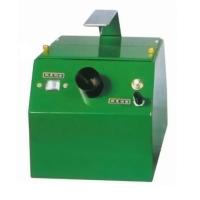
1. Definition and working principle of vividness Tester
The Vividness Analyzer is a specialized device specifically designed to evaluate the quality of optical imaging on the surface of materials. Its core function is to quantify important indicators such as clarity, distinctness of image (DOI) and portrait of the material surface through scientific measurement methods.
From the perspective of technical principles, the vividness Tester mainly measures the changes in the luminous flux of the sample under different conditions by simulating the reflection or transmission process of light on the surface of the material. Specifically, it measures the maximum luminous flux M and the minimum luminous flux m, and then uses a specific algorithm, such as C% = (M - m) / (M + m) * 100%, to convert the measured optical properties into quantitative data that can be visualized. These data can directly reflect the smoothness of the material surface, the flatness of the condition, and the uniformity of reflection to external light. For example, when we need to evaluate the quality of the surface of an automotive metallic paint, the data measured by the vividness Tester can clearly reflect whether the paint surface is smooth and whether it can clearly reflect the surrounding scene.
It is important to note that vividness is fundamentally different from other optical indicators we commonly see, such as haze and light transmittance. Haze mainly describes the degree of scattering of light as it passes through the material, light transmittance focuses on the proportion of light passing through the material, and vividness focuses on the clarity and reduction ability of the material's surface image. It can be understood that if two pieces of glass with similar values in terms of light transmittance and haze have different surface treatment processes, then their vividness may be significantly different. A finely treated glass may be able to clearly reflect the outline of an object, while another poorly finished glass may present a blurry reflection. It is this uniqueness that makes the vividness analyzer an indispensable tool for the detailed evaluation of material surfaces.

2. The core function of the vividness Tester
The function of the vividness analyzer is designed and built around "image quality", and its main functions cover the following aspects:
1. Clarity Measurement: The percentage of clarity (C%) of the material is calculated by analyzing the extreme difference (M - m) and the sum (M + m) of the luminous flux. The higher this percentage, the smoother the surface of the material and the sharper the image. In the printing industry, clarity is crucial for the presentation of patterns, and measuring clarity with a vividness meter can ensure that the lines of the printed pattern are clear and rich in detail.
2. Freshness Reflectance (DOI) Evaluation: Quantify the sharpness of the reflected image directly on the surface of the material. The higher the DOI value, the clearer the reflection or pattern observed by the human eye. In the field of automobile manufacturing, high-brightness paint can give the body a clear and bright appearance in the sun, improving the overall grade of the vehicle.
3. Portrait analysis: Comprehensively evaluate the material's ability to restore details. This feature is particularly important in scenarios that require high-precision presentation of details, such as displays, printing and packaging, and other industries. Through the image analysis of the vividness Tester, it can be ensured that the patterns and text on these products can be clearly and accurately presented to consumers.
4. Multi-scene adaptation: Some high-end viability analyzers support two measurement modes: reflection and transmission. This allows it to be used to inspect the optical properties of opaque materials such as metallic paints, as well as transparent or translucent materials such as optical films. This multi-scenario adaptation greatly expands the application range of the vividness Tester and meets the diverse testing needs of different industries.
These rich and diverse functions work together to make the vividness analyzer not only provide researchers with precise testing data in the laboratory environment, but also provide reliable guarantee for rapid quality control of enterprises on the production line.
3. Application fields of vividness analyzers
With its unique functions, the vividness analyzer has a wide and important application in many fields.
1. Automotive and coatings industry: In automobile manufacturing, the surface vividness of metallic paints, body coatings, and finish paints has a direct impact on the appearance quality of the entire vehicle. By measuring the DOI value using a vividness Tester, automakers can ensure that the paint can show clear reflections at different lighting angles, and the reflection effect of parts such as car logos and windows can meet the requirements of high quality, so as to avoid visual defects caused by orange peel and graininess. In addition, protective coatings in construction machinery, rail transit and other fields also use this instrument to optimize surface smoothness and improve the overall quality of the coating.
2. Optics and display materials: For optical films (such as brightening films, diffusion films), display cover glass, and electronic device packaging materials, the image clarity is a key factor affecting the display effect of end products. The vividness meter can detect micron-level defects on the surface of materials, such as scratches and ripples, to ensure that light does not distort when passing through or reflecting these materials, thereby improving the contrast and color reproduction of the screen. In today's era of higher and higher requirements for display effects, the vividness Tester provides strong support for the quality control of optics and display materials.
3. Plastics and packaging industry: The surface gloss and pattern clarity of plastic films (such as food packaging, agricultural shed films) and printed materials (such as labels, advertising films) are the focus of consumer attention. Through the vividness test, enterprises can effectively control the flatness and gloss uniformity of the material, preventing the problem of blurred printing or messy reflection due to rough surface. This not only improves the appearance quality of the product, but also better meets consumers' requirements for product packaging.
4. Metal and electroplating products: The vividness of the electroplating layer of hardware, bathroom products, and electronic components largely determines their competitiveness in the high-end market. For example, the clearer the surface reflection image of stainless steel sinks, mirrored aluminum plates and other products, the more they can reflect their exquisite craftsmanship, thereby increasing the added value of the product. Vividness analyzers can help these companies accurately assess the quality of electroplating layers and ensure that their products meet the standards of the high-end market.
5. Scientific research and quality testing institutions: Scientific research laboratories can establish a standard database of material surface properties by using the material surface performance data obtained by the vividness Tester. These data provide a quantitative reference for the research and development of new materials (such as superhydrophobic coatings and anti-reflective films), and also provide solid technical support for the formulation of industry standards. Quality inspection institutions can conduct strict quality testing on various materials through vibrancy Testers to ensure that product quality in the market meets relevant standards.
4. Key points of selection of vividness Tester
When faced with a wide variety of vividness analyzers on the market, users need to comprehensively consider from multiple dimensions according to their actual needs to choose the instrument that suits them.
1. Measurement mode and optical structure: There are different types of vividness analyzers, such as reflective, transmitted, and composite types. The reflective type is suitable for opaque materials, such as metallic paint, etc., and evaluates the vividness by measuring the reflected light on the surface of the material. the transmissive type is for transparent or translucent materials, such as optical films, glass, etc., to analyze the clarity performance of light penetrating the sample; The composite type supports both reflection and transmission measurement, and is suitable for those users who need to inspect various types of materials, such as optical film manufacturers, which can detect both the transmission and reflection properties of optical films.
2. Measurement accuracy and parameter range: Measurement accuracy and parameter range are factors that need to be focused on when selecting. High-resolution instruments, such as those with smaller minimum units in luminous flux measurement, are better suited for detecting materials with high requirements for subtle imperfections, such as high-end paint finishes. For the detection of large-sized samples, it is necessary to pay attention to whether the measurement diameter of the instrument and the width of the grating are suitable. Different application scenarios have different requirements for measurement accuracy and parameter range, and users should choose according to the actual situation.
3. Ease of operation and intelligence: In terms of ease of operation, portable instruments are suitable for rapid inspection on site, such as in production workshops or construction sites, where they can obtain vividness data of materials in a timely manner. Moreover, portable instruments with built-in automatic calibration can reduce errors caused by human operation. The benchtop model provides a more stable testing environment and is suitable for batch analysis in the laboratory. At the same time, instruments that support intelligent functions such as data storage, USB export, and software analysis can greatly improve work efficiency and facilitate users to further process and analyze the detection data.
4. Industry Standard Compatibility: When selecting a vibrancy analyzer, prioritize instruments that comply with international standards (such as ISO 10216, ASTM D5767, JIS K7374). This ensures that the test results are reliable and comparable. For example, in the automotive industry, instruments are often required to pass ISO-related certifications to meet the rigorous quality audit requirements of OEMs. Instruments that meet industry standards can ensure the versatility and reliability of test results, providing strong support for the production and management of enterprises.
5. Budget and after-sales service: Users need to balance the performance needs of the instrument according to their budget. When choosing, it is important to pay attention not only to the price of the instrument, but also to examine the supplier's after-sales service capabilities, including calibration services, maintenance response speed, etc. In addition, the supporting services of consumables such as standard reflectors are also factors to consider. For long-term high-frequency use of vividness analyzers, choosing a supplier that can provide long-term warranty and high-quality after-sales service can ensure the normal operation of the instrument and reduce the cost of use.
summary
As a core tool for evaluating the optical properties of material surfaces, the importance of the vividness Tester is not only reflected in its ability to provide accurate data, but also in its scientific and reliable basis for product development, quality control, and process optimization. Whether it is the pursuit of brightness by automobile manufacturers, the strict requirements of electronic screen manufacturers for display clarity, or the strict control of material surface quality in many other industries, choosing the right vividness Tester is a key step in achieving high quality goals. By gaining an in-depth understanding of the definition, principle, function, application fields and selection points of the vividness Tester, enterprises and scientific research institutions can more accurately select and use this important equipment, thereby enhancing the competitiveness of products and technologies and promoting the continuous development of the industry.