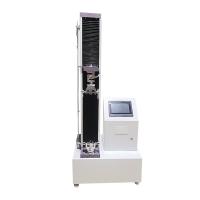
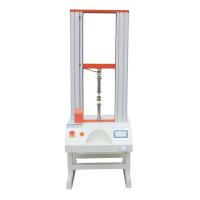
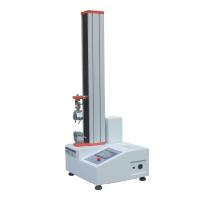
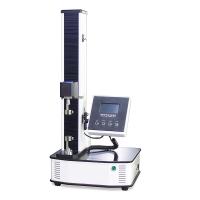
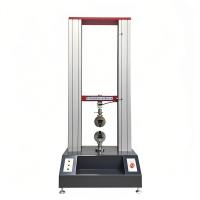
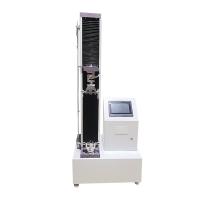
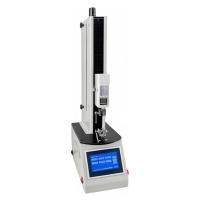
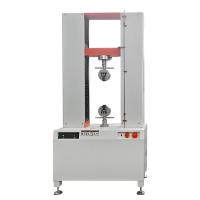
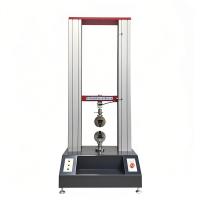
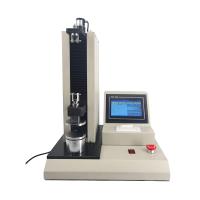
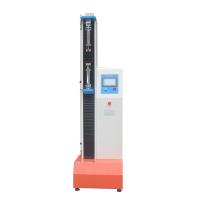
Tensile test is the core means to evaluate the mechanical properties of materials, and by simulating the deformation and failure process of materials under stress, key indicators such as tensile strength, yield strength, and elongation are obtained, providing a scientific basis for material research and development, production quality control and engineering application. The entire process needs to follow the normative standards, and the details of each link directly affect the accuracy of the test results.
Sample preparation
Standardize sampling
According to the material type (metal, plastic, rubber, etc.) and industry standards (such as GB/T 228, ISO 527), determine the sample size, shape and sampling location, such as dumbbell specimens for metal, the plastic needs to ensure uniform thickness and width to avoid stress concentration caused by dimensional deviation.
Sample preparation
Remove the oxide layer, burrs and oil stains on the surface of the sample to avoid impurities affecting the clamping stability and force uniformity. Accurately mark the gauge line (without damaging the sample), record the size, thickness, original gauge and other parameters as the basis for subsequent calculation.
Equipment commissioning
Component inspection
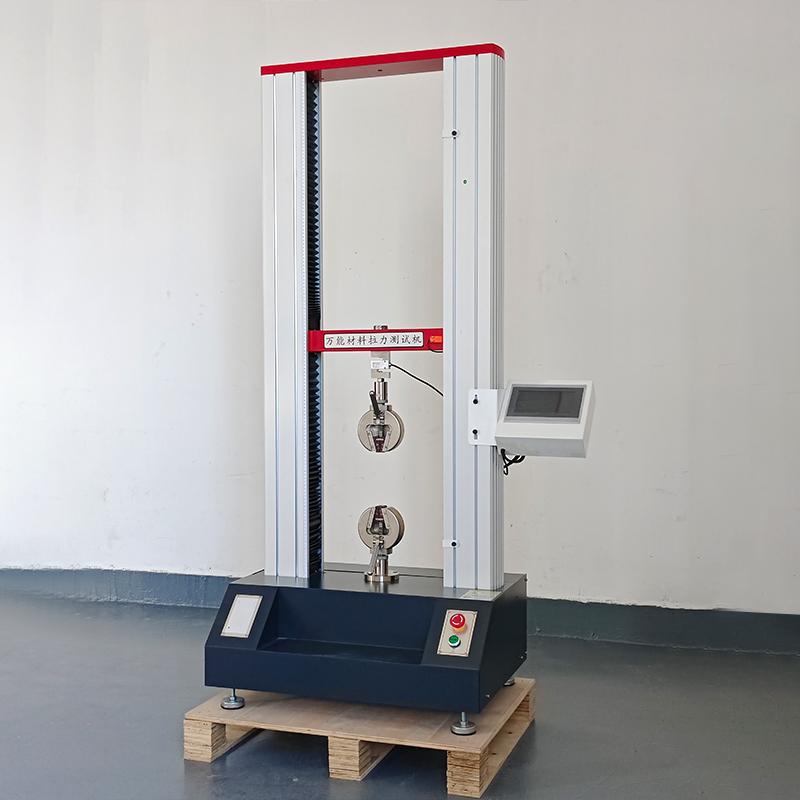
Confirm that the force sensor is calibrated and within the validity period, there is no wear or stain on the clamping surface, the control system is running normally, and the core components are troubleshooted.
Parameter adaptation
Select the corresponding fixtures (wedge fixtures for hard materials, flat mouth fixtures for flexible materials, and winding fixtures for wires) according to the characteristics of the samples, set the loading speed, test range, and termination conditions to meet the characteristics and standards of the materials. No-load test run to verify equipment stability and data acquisition accuracy.
Sample clamping and test operation
Standardized clamping
Put the sample into the fixture smoothly, adjust the position so that the sample axis is consistent with the force direction of the testing machine to avoid eccentric loading; The clamping force is moderate, which not only prevents the sample from slipping, but also prevents the sample from being damaged by excessive clamping force, and checks the position and the clarity of the gauge line after clamping.
Test monitoring
After starting the equipment, load the device at a uniform speed according to the set parameters, observe the sample status and data changes in real time, and record the yield point, deformation trend and fracture load. If there is slippage, looseness, or equipment abnormality, immediately stop the machine for troubleshooting, and re-test after the problem is solved. After the test, unload slowly and clean up the fixture and residual samples.
Data processing and output
Data calculation
Based on the original data and sample parameters, the tensile strength, yield strength, elongation after breaking and other indicators are calculated according to standard formulas through professional software or tools, and reasonable effective numbers are retained.
Report generation
Combined with load-displacement and stress-strain curves, the performance characteristics are analyzed, and abnormal data are investigated. Generate complete reports covering sample information, equipment parameters, test data, curve maps, and conclusion recommendations to ensure standardized formatting and accurate data.
summary
The standardization of sample preparation, the accuracy of equipment debugging, the control of clamping and operation, and the rigor of data processing jointly determine the reliability of the test results. Only by strictly following industry standards and refining the key points of each step can the test data truly reflect the mechanical properties of materials, provide solid technical support for material selection, product quality control, and technology research and development, and ensure the scientific nature of engineering applications and production activities.