In the field of material mechanics testing, electronic tensile testing machines and hydraulic tensile testing machines are the two main technical routes. They have essential differences in design principles, performance characteristics, and application scenarios, and understanding these differences is key to correct selection.
Technical principle
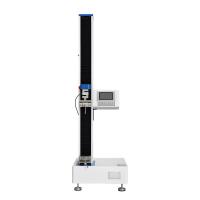
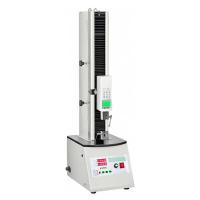
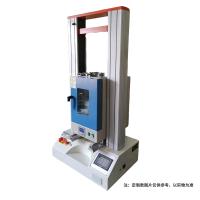
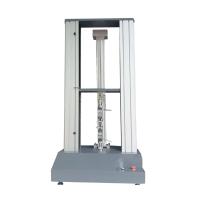
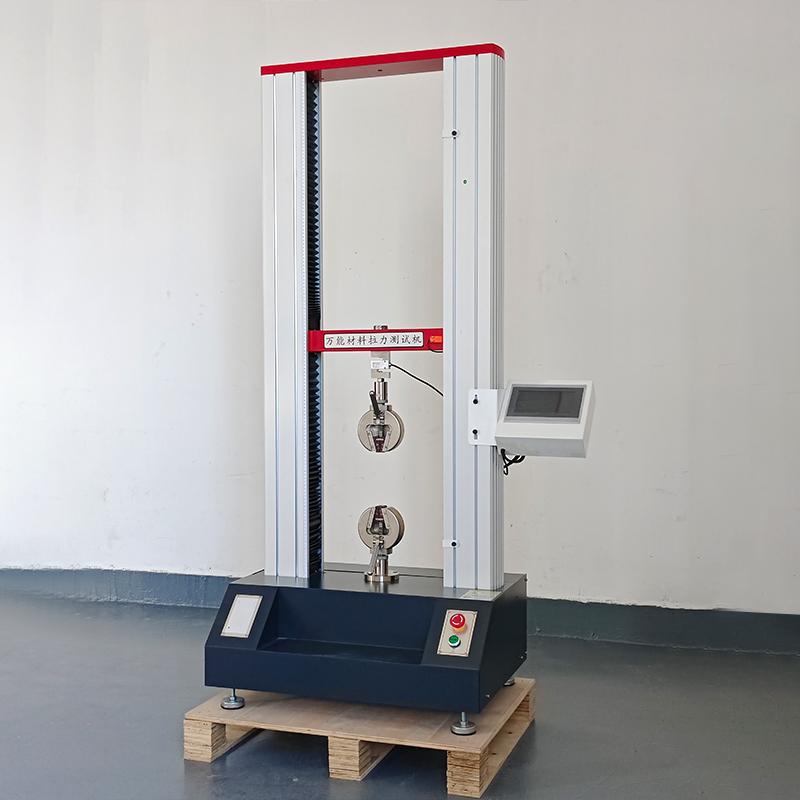
The electronic tensile testing machine adopts a servo motor to drive a precision ball screw, and realizes precise control of load, displacement and speed through a fully digital closed-loop control system. This structure gives it significant advantages in the low and medium load range, typically ≤ 300kN.
The hydraulic tensile testing machine relies on a hydraulic servo system to generate the test force through the cylinder drive. It is powered by a high-pressure hydraulic station, and the system realizes loading by controlling oil pressure and flow. This design allows it to perform well in large load tests, typically ≥ 200kN.
Core performance differences
The electronic testing machine is known for its high precision, with a force accuracy of up to 0.5 levels and a wide speed control range (0.001-500mm/min), which is especially suitable for testing scenarios that require precise control. It operates cleanly and quietly, and is easy to maintain on a daily basis.
The hydraulic testing machine is irreplaceable in the field of force testing, and the maximum load of a single machine can reach thousands of kN. Although the speed range is relatively narrow, it has better stability in applications such as long-term load retention and large deformation testing. However, hydraulic fluid and seals need to be changed regularly, and maintenance requirements are high.
Application scenario selection
Give priority to the scenario of electronic testing machine
1. Precision material testing: films, fibers, medical devices, etc
2. R&D Laboratories: Frequent change of test types is required
3. Clean environment requirements: electronics and other industries
4. Education and scientific research: Need to intuitively understand the principles of testing
Preferential selection of hydraulic testing machine scenarios
1. Heavy component testing: steel structures, large mechanical components
2. Field testing environment: construction site, production site
3. Special test requirements: concrete destructive test
4. Large stroke test: rubber, geomaterials, etc
Key factors in selection
Test requirements – maximum load, accuracy requirements, test frequency
Sample characteristics – material type, size specifications, test standards
Usage environment – laboratory conditions, space constraints, power supply
Budget considerations – including acquisition costs and long-term maintenance expenses
Expansion requirements – test capabilities that may be added in the future
For routine materials testing in most laboratories (load ≤ 300kN), an electronic testing machine is often the more suitable choice. For heavy industrial field heavy load testing, hydraulic testing machines are more advantageous.
Development trend
Modern testing machine technology is developing in the direction of intelligence and multi-functionalization. Some high-end models have combined the best of both technologies, enabling high-precision electronic control and hydraulic high-load capacity. At the same time, intelligent functions such as remote monitoring and data analysis have gradually become standard.
summary
Choosing between electronic and hydraulic is essentially a trade-off between precision and strength, flexibility and stability. If your budget allows, consider configuring complementary test systems to meet diverse testing needs. No matter which type is chosen, it should ensure that the equipment meets relevant testing standards and establish a complete calibration and maintenance system to ensure the accuracy and reliability of the test results.