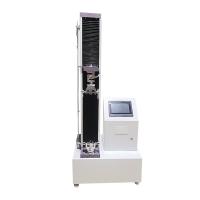
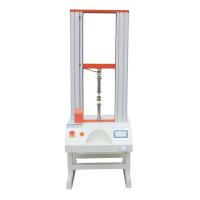
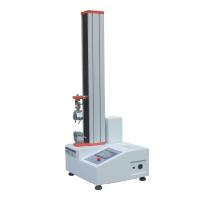
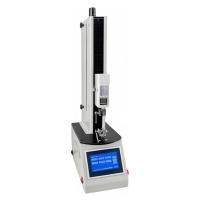
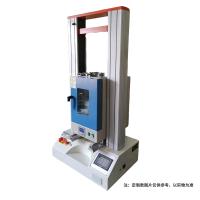
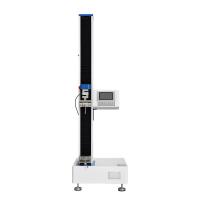
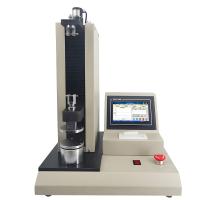
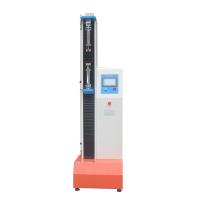
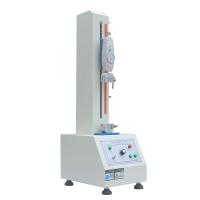
As the core detection component of the tensile testing machine, the performance of the load sensor directly determines the accuracy and reliability of the test data. The selection should focus on the three cores of range, accuracy, and type, and make a comprehensive judgment based on test needs and application environment.
Range matching
1. Core selection principles: eliminate the misunderstanding of "big horse-drawn cart" or "small horse-drawn cart", and recommend that the sensor range is 1.2-1.5 times the maximum estimated load of the test. This section can not only reserve sufficient safety margin to avoid overload damage to the internal components of the sensor, but also ensure the measurement sensitivity in the commonly used load range and avoid data distortion.
2. Scenario-based adaptation strategy: For tests with large load fluctuations (such as tensile and fracture tests of metal materials), wide-range sensors or models that support multi-range switching can be given priority to adapt to load changes at different stages. For light-load materials such as films, fibers, and rubber, small-range high-precision sensors should be selected to prevent small load changes from being accurately captured due to excessive range.
3. Key parameter attention: It is necessary to confirm the rated load and allowable overload capacity of the sensor simultaneously, and the overload capacity is generally required to be not less than 150% of the rated load to cope with the sudden load peak in the test and extend the service life of the sensor.
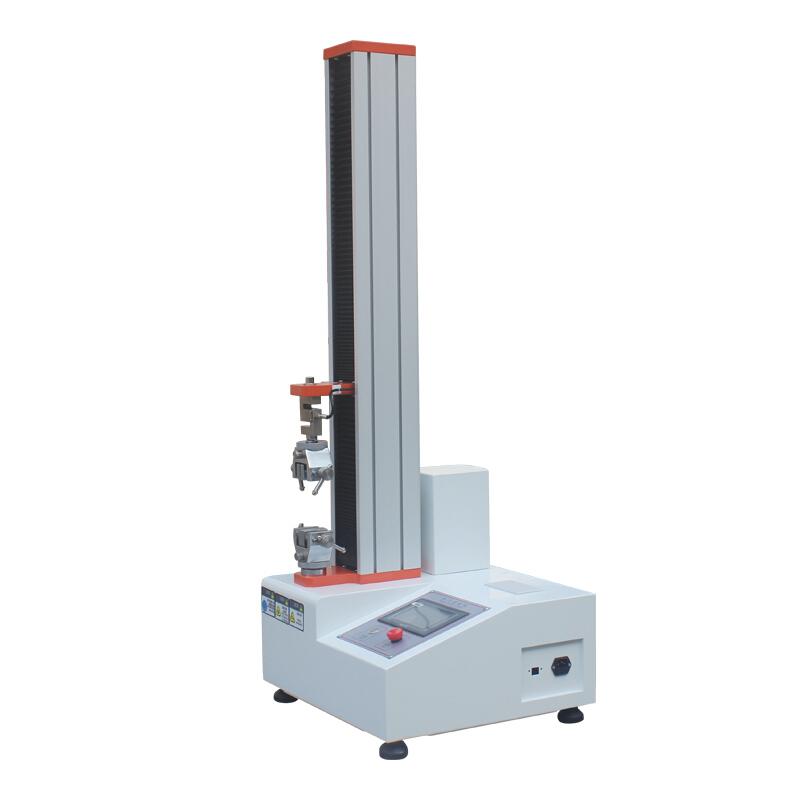
Precision control
Accuracy core parameters
The accuracy is mainly measured by the accuracy level, repeatability, linear error, zero point drift, temperature drift and other indicators, and the common accuracy grades are divided into 0.01, 0.02, 0.05 and 0.1 levels, and the smaller the grade value, the higher the accuracy.
Hierarchical adaptation to needs
For scientific research-level testing and high-precision material testing (such as aerospace materials), 0.01-0.02 level sensors need to be selected to meet the accurate measurement of small load changes; For routine quality sampling inspections of industrial production lines, 0.05-0.1 level sensors can take into account both detection accuracy and cost control, without excessive pursuit of high-level accuracy.
Environmental adaptation and supplementation
In harsh environments such as high temperature, low temperature, and humid heat, it is necessary to give priority to sensors with small drift coefficients and temperature compensation functions to avoid environmental factors affecting accuracy stability.
Type selection
Resistive strain sensor (mainstream selection) - accounting for more than 90% of the application share of the market, sensing load changes through strain gauges, suitable for static and quasi-static tensile tests, can match the detection of metals, plastics, rubber and other materials. Its advantages are strong stability, good linearity of output signal, moderate cost, and easy to adapt to the control system of the testing machine to meet the needs of most industries and laboratories.
Piezoelectric sensor - fast response speed, suitable for dynamic tensile test (such as impact load, high-frequency cyclic load detection), but there is zero drift, not suitable for long-term static load measurement, mostly used in special dynamic mechanical detection scenarios.
Capacitive sensors - extremely sensitive and can detect small loads, but have weak anti-electromagnetic interference and dust resistance, and are only suitable for clean, interference-free high-precision laboratory environments, and the application scenarios are relatively limited.
Additional adaptation points
Environmental adaptation: In humid, dusty, and corrosive environments, choose sensors with sealing level IP65 and above; In scenarios where electromagnetic interference exists, a model with electromagnetic shielding function should be selected.
Installation compatibility: ensure that the sensor and the testing machine are concentric to avoid measurement errors caused by eccentric loads; At the same time, confirm that the installation size and interface type match the main machine of the testing machine to reduce the cost of installation and commissioning.
summary
The core of the load sensor selection of the tensile testing machine is "on-demand adaptation", which needs to be based on the characteristics of the test material, load range, and accuracy requirements, and give priority to the core matching of range, accuracy, and type, and then optimize the selection based on the application environment and installation conditions. Reasonable selection can not only ensure the accuracy and reliability of test data, but also balance costs, extend the service life of sensors, provide stable support for material mechanics testing and industrial quality control, and avoid test failure or equipment loss due to improper selection.