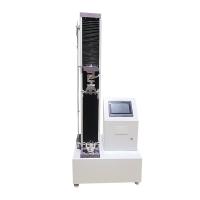
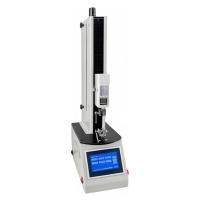
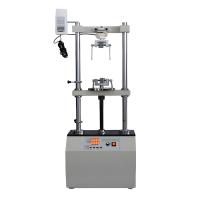
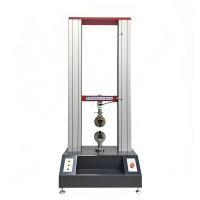
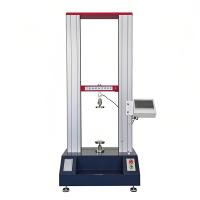
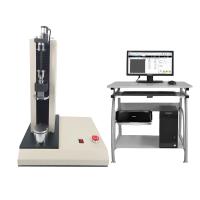
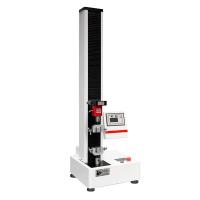
The tensile properties of textiles and fibers are the core indicators to measure their durability, safety and applicability, which directly determines the ability of products to resist stretching and breakage during wear and use, and widely affects the quality control and market access of various products such as clothing, technical textiles, and home textiles. As the core basis for standardizing test behavior and ensuring the accuracy and comparability of results, tensile testing standards have formed a perfect domestic and foreign system after long-term development.
At present, textile and fiber tensile testing has formed three core systems based on international standards, American standards and Chinese national standards. The international standard is based on the ISO 13934 series, which is divided into strip method (ISO 13934-1) and sample grabbing method (ISO 13934-2), which is applicable to all types of woven fabrics, knitted fabrics and nonwovens, and is the most commonly used benchmark standard in the global textile trade. ASTM D5034 (sample grabbing method) and ASTM D5035 (strip method) formulated by the American Society for Testing and Materials (ASTM) dominate the North American market, among which ASTM D5034 is widely used in clothing, home textile and other fields for breaking strength and elongation testing because it can more realistically simulate the actual stress scenario of textiles.
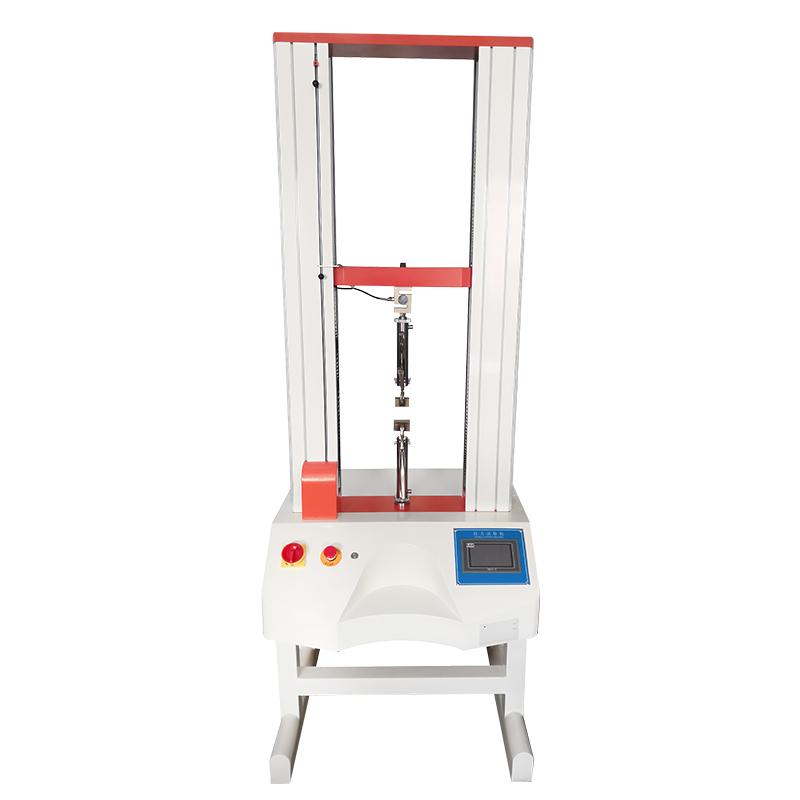
our country's national standards are closely aligned with international standards, and optimized in combination with the characteristics of domestic industries, the core standard is GB/T 3923 series, of which GB/T 3923.1-2013 "Textiles - Tensile properties of fabrics - Part 1: Determination of breaking strength and elongation at break (strip method)" and GB/T 3923.2-2013 "Tensile properties of textiles - Part 2: Determination of breaking strength and elongation at break (sample grabbing method)", which clearly stipulates the testing instruments, sample preparation, The core requirements such as test conditions are basically consistent with the technical content of ISO 13934 series standards, ensuring that our country's textile exports are in line with international standards. In addition, for the special test of fibers, GB/T 14337-2008 "Test Method for Tensile Properties of Chemical Fibers and Short Fibers" and GB/T 14344-2017 "Test Methods for Tensile Properties of Chemical Fibers and Filaments" respectively standardize the tensile test process of short fibers and filaments, and supplement the standard gaps of special fiber tests.
The accuracy of tensile testing not only depends on standard specifications, but is also affected by multiple factors such as sample preparation, test environment, and instrument operation, which is also the core attention point in the implementation of standards. The sample preparation needs to strictly follow the standard requirements, the strip method needs to ensure that the width of the specimen is uniform and the edge is not damaged, and the sample grabbing method needs to ensure that the clamping part does not slip and does not damage the fabric. The test environment should be controlled at standard temperature and humidity (20±2°C, relative humidity 65±4%) to avoid changes in fiber or fabric properties caused by temperature and humidity fluctuations. In terms of instrument operation, it is necessary to calibrate the tensile speed (usually 100mm/min) and clamping distance to ensure that the force accuracy meets the standard requirements and reduce system errors.
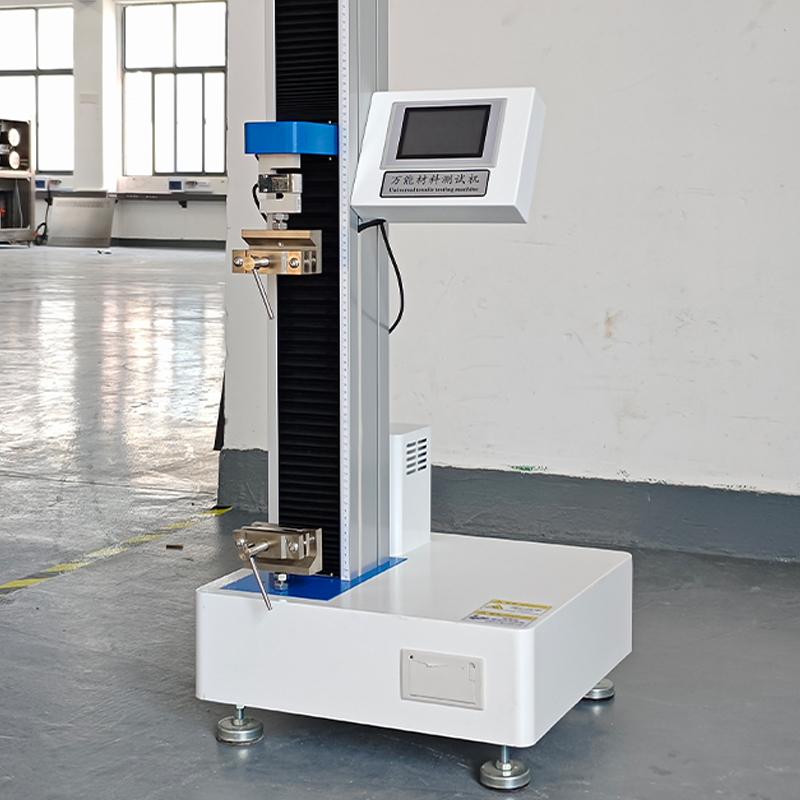
In practical applications, the requirements for the tensile properties of textiles and fibers vary significantly in different fields, and the rational selection of standards is particularly crucial. The clothing field focuses on the elongation at break of fabrics, and needs to be tested by the sampling method to ensure that the clothing is comfortable to wear and not easy to break. Industrial textiles (such as geotextiles and safety belt fabrics) have extremely high requirements for breaking strength, and the strip method needs to be accurately tested to ensure product safety performance. In the field of fiber production, it is necessary to test the breaking strength and elongation of fibers according to special standards to provide data support for the subsequent optimization of spinning and weaving processes.
In summary, textile and fiber tensile testing standards are the core criterion of industry quality control, and the three mainstream standard systems complement each other and have their own emphasis, and our country's national standards are not only in line with international standards, but also in line with the actual needs of domestic industries. Practitioners need to accurately grasp the scope of application and implementation points of various standards, standardize sample preparation, test environment and instrument operation to ensure that the test results are true and reliable. With the development of the textile industry towards high-end and functionalization, the tensile testing standards will also continue to improve, further adapt to the testing needs of new fibers and new fabrics, and provide strong support for the high-quality development of the industry.