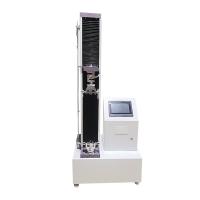
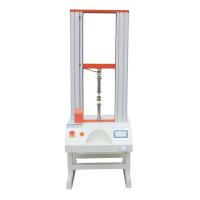
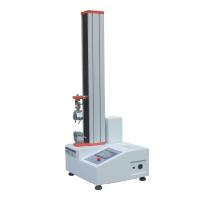
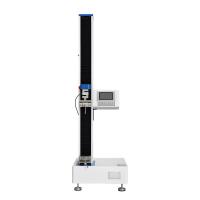
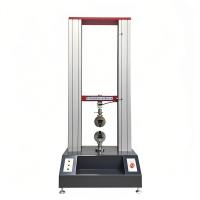
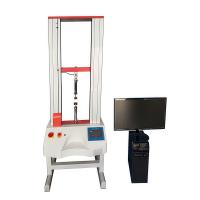
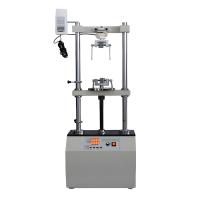
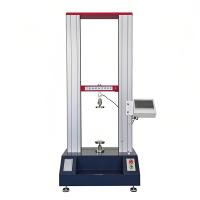
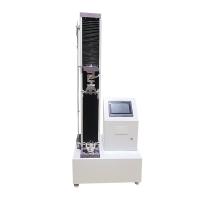
The interlayer tensile strength is the core index for evaluating the interlayer bonding ability of composites, which directly determines its service reliability in key areas. At present, GB/T 1450.1, ASTM D7291 and other test standards have been formed at home and abroad, but due to the inherent characteristics of composite materials and test control requirements, there are many difficulties in the implementation of standards, which can easily lead to data dispersion and result distortion.
Insufficient test method selection and standard adaptability (primary core difficulty)
The existing three mainstream test methods are limited, the adaptation scenarios are very different, and the easy selection is improper:
Adhesive stretching method - the quality of the adhesive layer affects the effectiveness of the test, and the temperature resistance of the adhesive is insufficient, which cannot be adapted to the high-temperature service scenario.
Cross-shaped specimen method - there is stress concentration and edge effect, cutting easily damaged fibers, triggering delamination, and low test success rate.
Bending method of bending beam - uneven stress distribution, complex theory, the test result is nominal strength, the clamping is difficult to align, and the error is obvious.
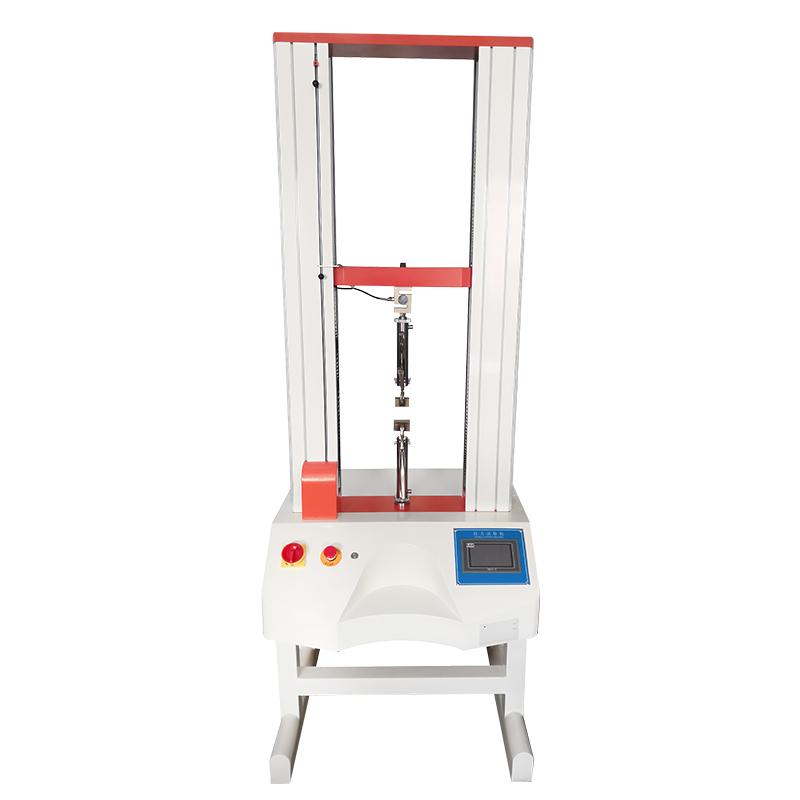
Insufficient standardization of sample preparation (the main cause of data discreteness)
Specimen preparation requires extremely high accuracy, which is prone to problems and lead to data discreteness:
The size adaptability is poor, and the size of the existing specimens is difficult to match different characteristic fibers, and the dispersion of some specimens exceeds 30%.
Non-standard cutting and laying are prone to defects, and exceeding the thickness deviation will cause stress concentration and misjudge the strength between layers.
The difference in porosity and curing degree of the specimen will significantly affect the interlayer bonding force, resulting in the discrete data of the same batch.
Insufficient accuracy of fixture design and load control (exacerbation of error)
Insufficient loading force transmission and control accuracy will further aggravate the test error:
Ordinary fixtures are prone to specimen slippage and clamping crushing, and the gap control of special fixtures is strict, which will affect the uniformity of the test if it exceeds the range.
The load rate deviation affects the test results, and the rate fluctuation of the old equipment far exceeds the standard requirements, and the error is obvious.
Ambiguity between environmental factors and outcome criteria (difficulty factor)
Temperature and humidity changes will soften the resin and reduce the elastic modulus, resulting in deviations in the calculation of strength and load between layers.
The existing standards do not have unified indicators for the determination of interlayer faults, and the complex failure forms are easy to lead to distortion and cannot reflect the real performance.
In summary, the difficulties of interlayer tensile testing of composite materials run through the whole process, and the core is the contradiction between the inherent characteristics of the material and the precise control of the test. It is necessary to optimize test methods, improve the accuracy of preparation and equipment, and standardize judgment standards to ensure the accuracy and reliability of test data and provide support for material application and standard revision.