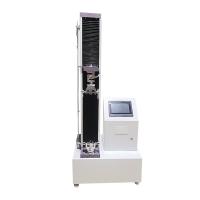
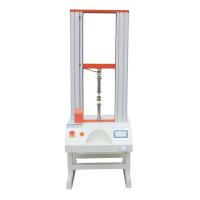
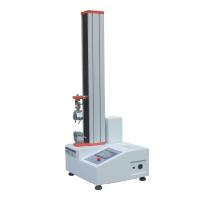
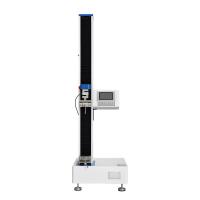
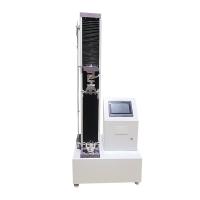
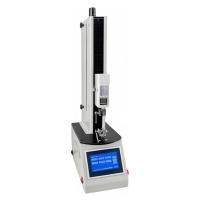
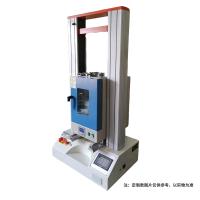
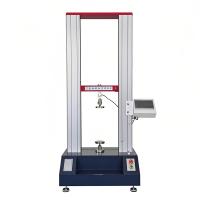
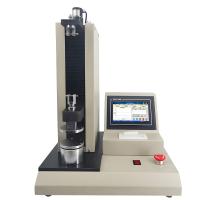
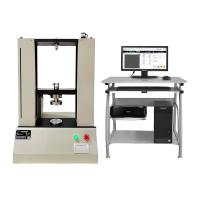
The fixture of the tensile testing machine is the key component connecting the host and the specimen, which directly determines the accuracy of the test data, the integrity of the specimen and the safety of the test. The core of the selection is "material adaptation, uniform force, and stable clamping".
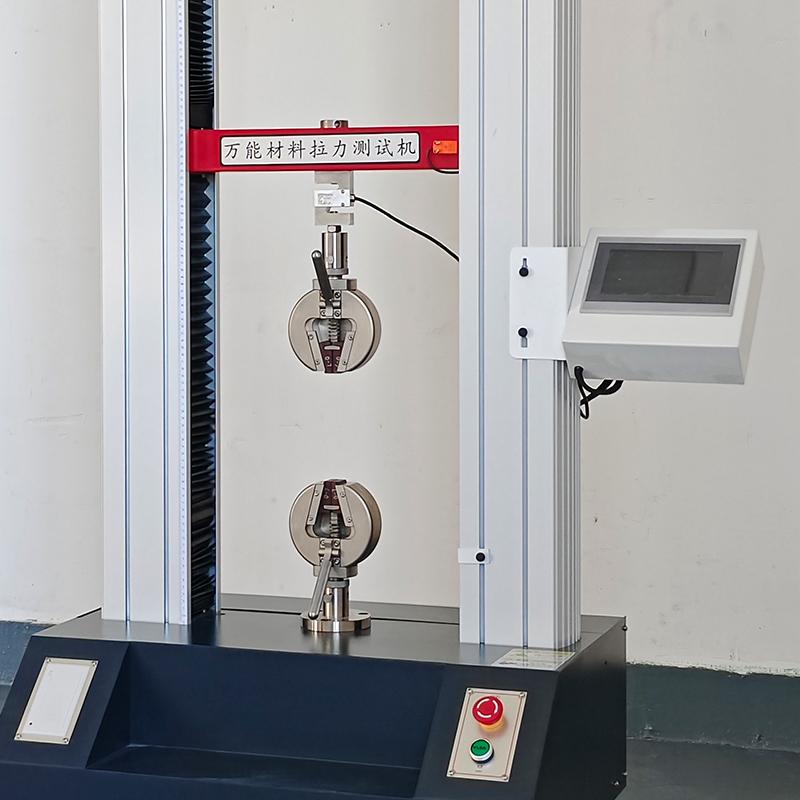
Metal material sample: high-strength anti-slip fixture adaptation
Metal materials (steel, aluminum, metal wires, etc.) have high hardness and high tensile strength, and the focus of selection is to ensure the rigidity and clamping force of the fixture.
1. Block metal (plate, bar): preferential wedge-shaped self-locking clamp, bevel pressurization design can realize the greater the force, the firmer the clamping, suitable for large tonnage test, the jaws are selected from high manganese steel or cemented carbide, in line with GB/T 228.1-2010 standard;
2. Metal wire (steel wire, cable): choose a special clamp with round jaws or V-groove, which can achieve fitting and alignment, avoid side slippage, and adapt to 0.1mm-10mm wire;
3. Note: The fixture needs to be tempered/nitrided, and the hardness is not less than HRC45 to prevent scratches and deformation.
Non-metallic material samples: flexible protective fixtures are adapted
Non-metallic materials (plastic, rubber, paper, film, etc.) have low hardness and are easy to break, and the core of selection is flexible clamping and uniform force transmission.
1. Medium toughness samples (plastic plates, rubber sheets): it is recommended to use flat jaw clamps, rubber pads or fine lines on the jaws, anti-slip protection, and meet ASTM D638 standards;
2. Thin brittle samples (paper, film): preferential vacuum adsorption or winding fixtures, the former has no mechanical damage, the latter is suitable for thin specimens (textile fibers) to avoid pinching;
3. High elasticity sample (rubber): optional pneumatic flat push fixture to quantitatively control force to ensure data stability.
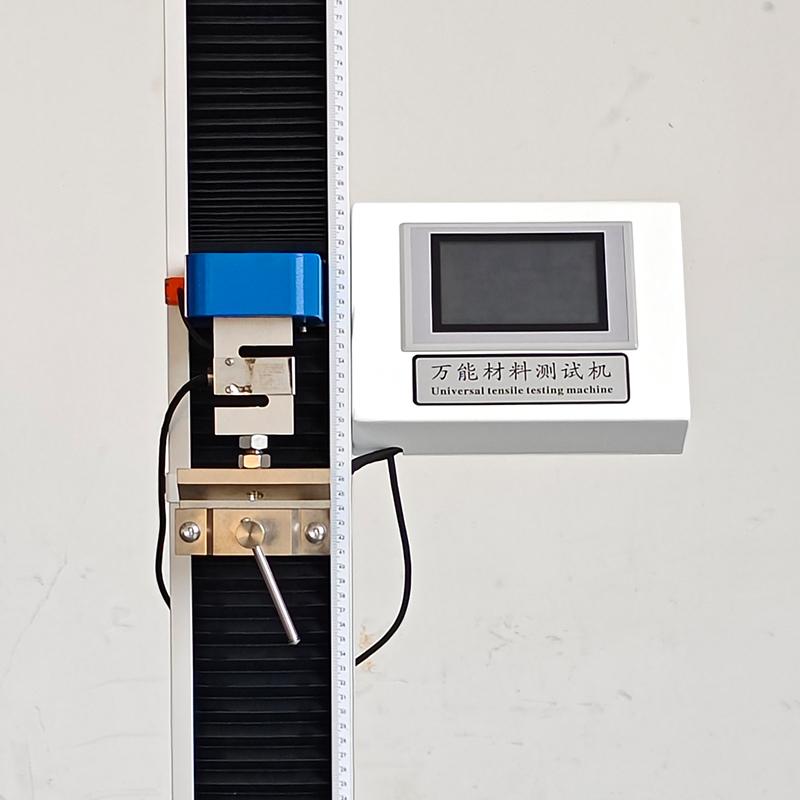
Composite samples: Customized/wide-sided fixture adaptation
Composite materials (carbon fiber, glass fiber composites, etc.) are anisotropic and prone to breakage, and the focus of selection is on dispersion stress.
1. Large-area plate: choose a wide-faced flat jaw clamp to increase the clamping area and reduce stress concentration;
2. Special-shaped/high-precision samples: Customized fixtures are required to fit the specimen shape and test standards, complying with ISO 14125 standards to ensure precise force transmission.
Brittle material samples: Precise control fixture adaptation
Brittle materials (glass, ceramics, etc.) have high hardness, poor toughness, and are prone to cracking, and the core of selection is precise force control. Priority thread manual clamp, the clamping force can be manually adjusted to avoid damage to the specimen, and the jaws are made of flexible material or arc style, which is suitable for thin sheets and small block specimens; Note: The coaxiality deviation of the fixture should not exceed 0.1mm to avoid off-load chipping, and is only suitable for laboratory precision testing.
Core considerations for selection
1. Comprehensive matching: combined with the test standard, specimen form, and force range selection, the maximum clamping force of the fixture is not less than 1.2 times the maximum testing force of the testing machine;
2. Interface adaptation: The fixture interface needs to match the output shaft of the testing machine to reduce the replacement cost;
3. Special environment: Titanium alloy, PTFE coating and other weather-resistant and corrosion-resistant fixtures are selected for high and low temperature/acid-alkali environments;
4. Avoid misunderstandings: Do not blindly pursue large sizes and low prices, and give priority to products with excellent materials and fine processing.
summary
There is no universal version of the tensile testing machine fixture, and it needs to be selected according to the material characteristics of the sample and the test requirements. Reasonable selection can improve data accuracy, extend the life of the fixture, reduce the test cost, and provide a reliable guarantee for the testing of material mechanical properties.