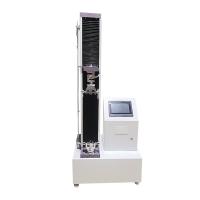
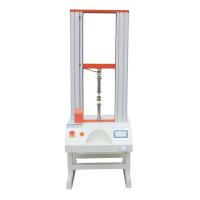
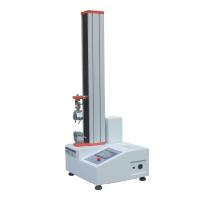
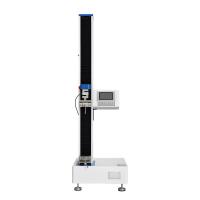
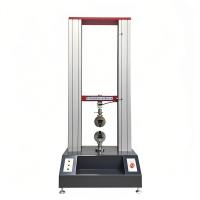
The accuracy of the tensile test depends not only on the accuracy of the testing machine, but also on the standardization of sample preparation. As the core carrier of mechanical property testing, the cutting size and processing process of the sample directly affect the authenticity and repeatability of the test data. This paper combines GB/T 1040 and other industry standards to explain the cutting and processing techniques of different material samples according to the requirements of the specification, so as to provide a practical reference for the testers.
Core principles of sample preparation
The core follows the three principles of "uniformity, standardization, and consistency", and three key information needs to be clarified before preparation: the characteristics of the material itself, the corresponding test standard requirements, and the parameters of the tensile testing machine to avoid test failure due to cutting deviation and improper handling, and ensure that the test data has reference value.
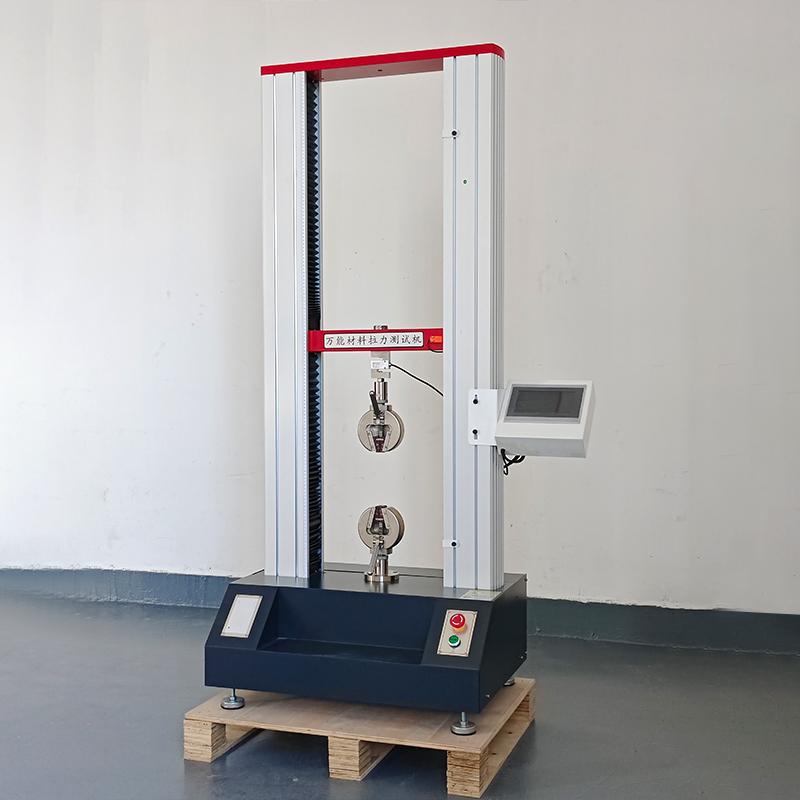
Specifications for cutting and processing samples of different materials
(1) Metal materials (carbon steel, aluminum alloy, stainless steel, etc.)
1. Cutting requirements: according to the purpose of the test, cut into dumbbell-shaped, rectangular or round standard specimens, and the width error of the gauge segment is controlled within ±0.1mm; Priority should be given to grinding wheel cutters and wire cutting machines, and ordinary scissors are prohibited to prevent burrs, deformation or material damage on the edges.
2. Processing skills: After cutting, use sandpaper to polish the edges and surfaces of the specimen, remove the oxide layer, scratches and burrs, and then wipe it clean with anhydrous ethanol to avoid impurities affecting the test; High-strength metal specimens should be left at room temperature for 24 hours to eliminate internal stresses generated during the cutting process.
(2) Non-metallic materials (plastics, rubber, textiles, etc.)
1. Plastic samples: Use a blanking machine with a special stamping die to cut to control the punching speed to prevent cracking and burrs of the specimen, and ensure uniform dimensions.
2. Rubber sample: Fix on the flat template before cutting, use a sharp blade to cut along the edge of the template at a uniform speed, avoid pulling too hard; After cutting, put it in a cool and dry place to prevent aging and deformation.
3. Textile samples: cut according to the texture direction of the fabric to ensure that the length direction of the specimen is consistent with the warp or weft direction of the fabric; After cutting, remove the excess silk thread on the edge to avoid slipping during the test; If the fabric is damp, it should be dried at a constant temperature of 50°C until the constant weight is carried out before testing.
(3) Composite materials (fiber-reinforced composites, laminated materials, etc.)
1. Cutting requirements: Diamond cutting plates are selected for uniform cutting to avoid problems such as peeling between layers and fiber breakage, and to ensure the structural integrity of the specimen.
2. Processing skills: check the interlayer bonding of the specimen after cutting, and remove the unqualified specimens with delamination and degumming; Some samples need to be polished to remove the surface coating and clean the fiber burrs to ensure that the force is uniform during the test; Control the cutting angle to avoid data distortion caused by deviations between the fiber direction and the stress direction.
General considerations for sample preparation
All specimens need to be clearly marked, and key information such as material name, specification, and cutting direction should be marked to avoid confusion.
The cutting tool needs to be calibrated regularly to ensure the cutting accuracy and avoid affecting the specimen size due to tool deviation.
The treated specimens should be stored in a room temperature, dry, and non-corrosive environment to avoid moisture, pollution, and deformation.
Each group of tests needs to prepare 3-5 parallel specimens to ensure the repeatability of the test data. If the data of parallel samples is too biased, it is necessary to troubleshoot the problems in the sample preparation process and re-prepare.
summary
The preparation of tensile test samples is a key link to ensure the accuracy of the test. It is necessary to combine the characteristics of different materials, strictly follow the above specifications and techniques, and control the cutting accuracy and processing details to ensure that the test data is true and reliable, and provide a scientific basis for material performance evaluation and product quality control.