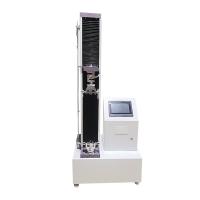
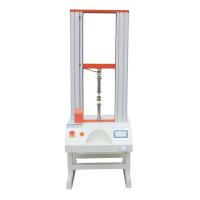
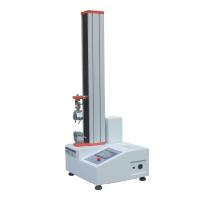
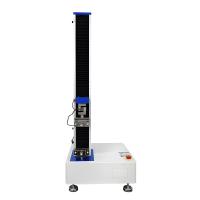
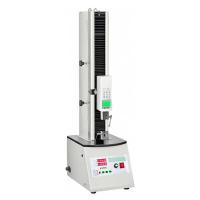
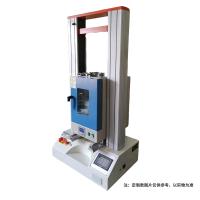
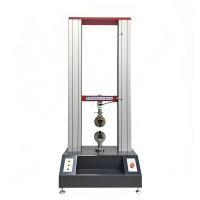
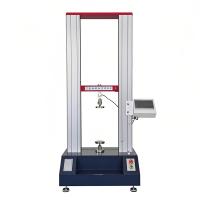
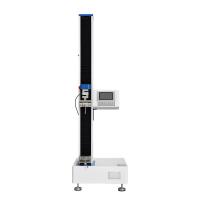
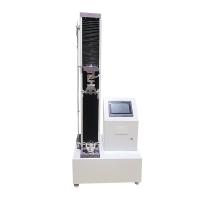
The tensile testing machine is the core equipment for material mechanical property testing, widely used in multiple industries, and its measurement accuracy directly determines the accuracy of key indicators such as material strength and elongation. Zero point offset is a common accuracy problem in the daily use of equipment, if not calibrated in time, it will lead to data deviation, result distortion, and affect product quality judgment and R&D reliability. This article breaks down the standardized steps, operation points and precautions of zero point calibration to help operators quickly master this essential skill.
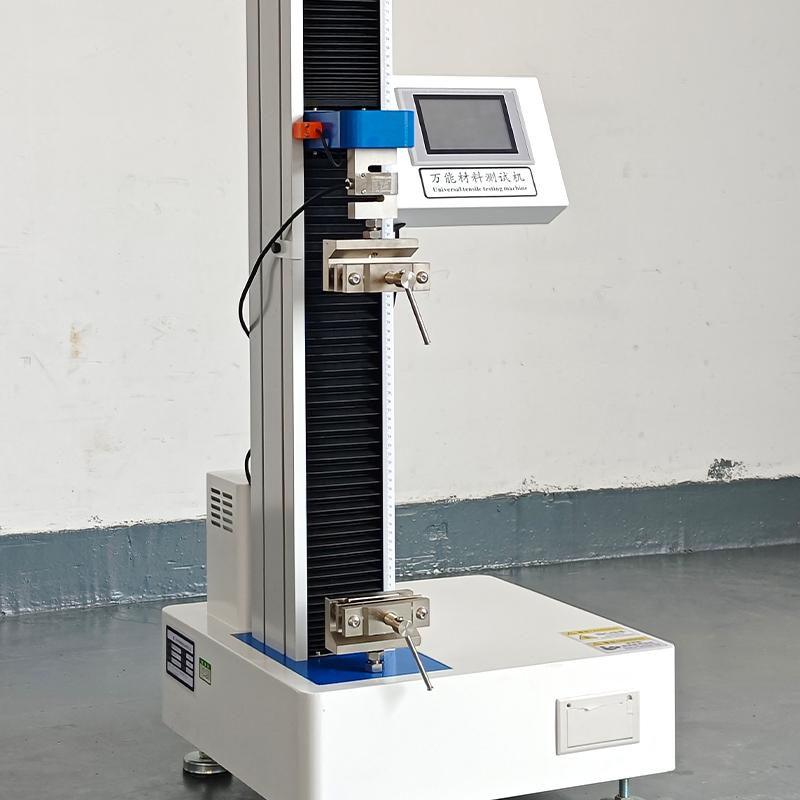
The core significance and prerequisites of zero-point calibration
Zero point calibration can correct the force value of the equipment and displace the initial zero point, eliminate system errors, and ensure that the initial state of the test is up to standard. Three prerequisites need to be met before calibration.
1. Confirm the status of the equipment: start the machine and warm it up for 15-30 minutes to ensure that the equipment runs stably and without abnormalities, there are no foreign objects in the clamp and beam, and the sensor is firmly connected.
2. Environmental conditions are up to standard: the temperature is controlled at 23±5°C, the relative humidity is 45%-75%, away from vibration and strong electromagnetic interference sources, and data drift is avoided.
3. Fixture and tooling preparation: Install the corresponding standard fixture and ensure that the alignment is firm, calibrate the no-load running beam before calibration, and confirm that there is no loose offset.
Standardized zero point calibration steps (for conventional tensile testing machines)
The zero point calibration is divided into force value and displacement calibration, which need to be completed sequentially.
Enter calibration mode - open the control system, find the "Calibration" option after logging in the permissions, select "Zero Point Calibration" to enter the interface, and follow the system prompts.
No-load reset – Click "Reset beam" to return the beam to the initial position, ensure the clamp is completely unloaded, and wait 3-5 minutes for the sensor to stabilize.
Force value zero point calibration - click "force value clearing", and the system sets a new zero point; After calibration, the observe force value to ensure that it is stable within ±0.1N, and the fluctuation is too large and needs to be recalibrated.
Displacement zero point calibration - switch to the displacement calibration interface, click "Displacement Clearing", move the beam and reset, and repeat 2-3 times to confirm that the zero point is not deviated.
Calibration Verification and Saving - No-load operation equipment confirms that the data is not drifting, click to save the calibration parameters, and some equipment needs to print records for archiving.
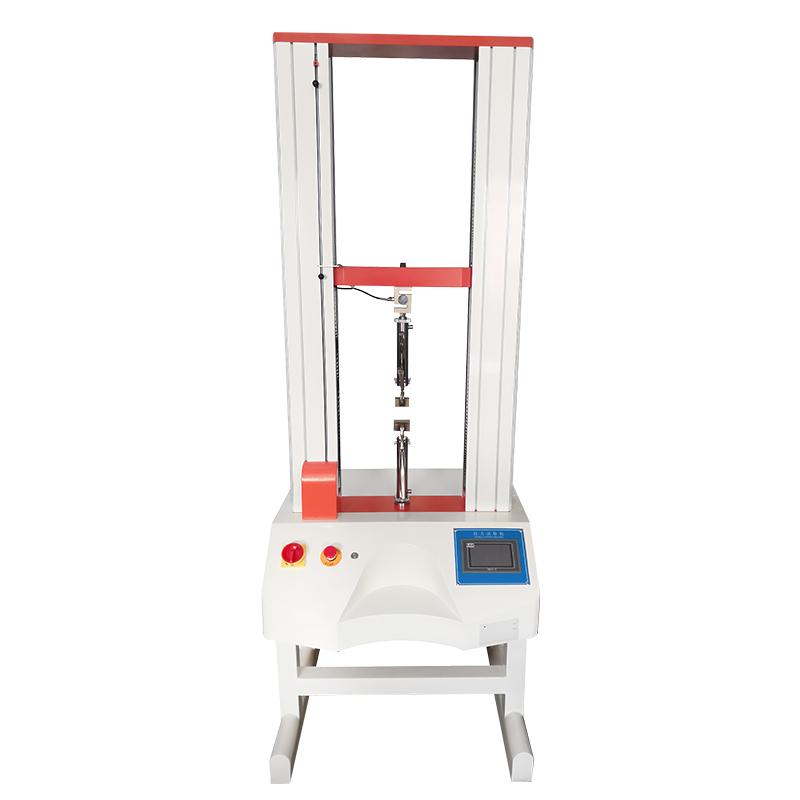
Daily calibration precautions and common problems to avoid
Calibration standardization directly affects the effect, and four points need to be focused on.
1. Calibration cycle: 1 time a day for calibration, 1 time per month, and regular for third-party verification.
2. Operating specifications: It is strictly forbidden to touch the key components of the equipment during calibration, and it is forbidden to calibrate when clamping specimens and beam movements.
3. Common problem handling: force value offset check sensor, fixture; Check the limit switch and encoder for displacement deviation, clean the foreign objects of the guide rail and recalibrate it.
4. Personnel requirements: Operators need to be professionally trained, operate strictly according to the steps and make calibration records to facilitate traceability.
Maintenance and management after calibration
Clean the fixtures, beams and sensors daily to avoid the accumulation of dust and oil;
Regularly check the sensor connection wires and lubricate the transmission system quarterly;
Establish a calibration ledger to record relevant information and ensure traceability;
After the equipment is idle for a long time, it needs to be calibrated multiple times before starting to confirm that it is normal.
epilogue
Zero point calibration of tensile testing machine is the basis for ensuring accurate data and is also an essential skill for operators. Following the standardized process and doing a good job in maintenance management can effectively eliminate system errors, avoid distortion of results, and provide reliable support for product quality control and R&D testing.