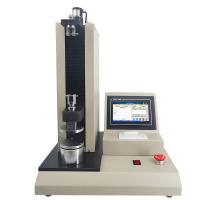
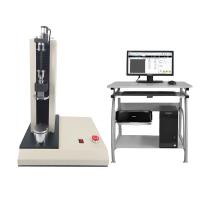
Tensile testing machine software is the core tool for material mechanical property testing, and operational standardization directly determines the accuracy and traceability of test data. This paper focuses on the three core operations of software data collection, analysis and export, sorts out the standardized process and practical points, helps operators quickly master skills, improves test efficiency and data reliability, and adapts to various material tensile test scenarios.
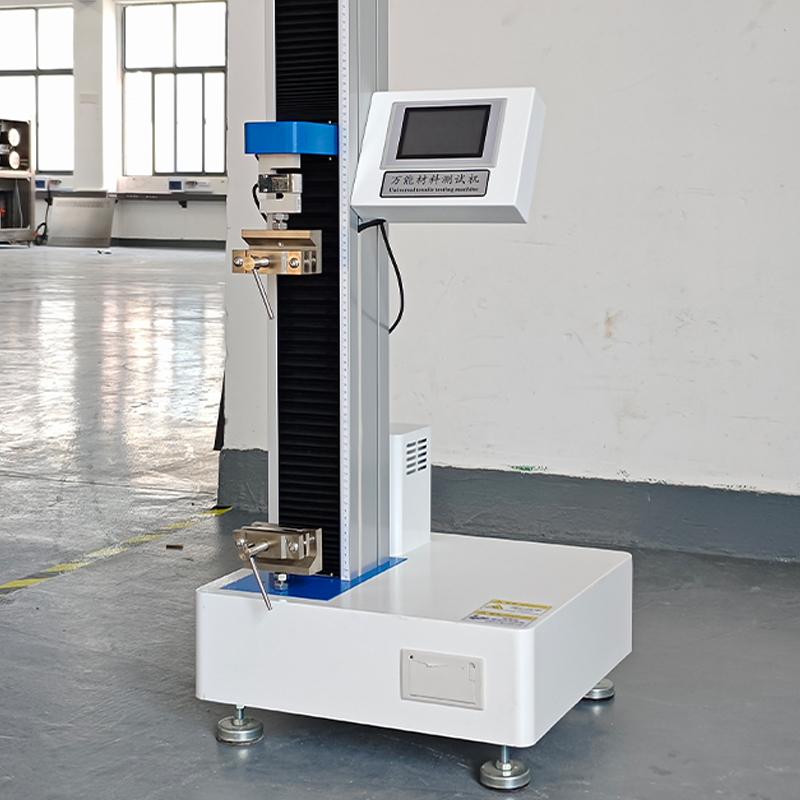
Data collection
Data acquisition is the basis of the test, and the core is to accurately capture key parameters such as force, displacement, and strain to avoid missing feature points. Before operation, it is necessary to prepare and set parameters reasonably to ensure that the data is valid.
Start the device and software and complete the online calibration to ensure that the signal is synchronized without deviation; The acquisition parameters are set according to the test standards, the acquisition frequency is not less than 100Hz to capture instantaneous changes, and the core parameters are checked as needed to avoid redundant data occupying storage.
After the specimen is clamped, the collection and loading program is started synchronously, the data curve is monitored in real time, and the investigation is suspended in time when abnormal fluctuations occur. After the test is completed, the collection is stopped, and the software automatically saves the original data and generates the test curve, laying the foundation for subsequent analysis.
Data processing and analysis
After the data collection is completed, it is necessary to extract core indicators such as yield strength and tensile strength through software processing and analysis to ensure that the results meet the standards and reduce human calculation errors.
First, the valid data are screened, the abnormal points are eliminated, and the test curve is combined to avoid accidental deletion. Then set the analysis parameters according to the standards, clarify the calculation method and judgment method, and ensure that the calculation basis is compliant.
The software automatically calculates the core indicators and generates reports, and the operator needs to check the consistency of the data and the curve. Multiple sets of parallel tests can automatically calculate statistical parameters, and when the discrete coefficient exceeds the standard, it is necessary to troubleshoot the problem backwards.
Data export
Data export is key to retaining and traceable results, ensuring that the data is complete and readable to meet laboratory management and quality system requirements.
After confirming that the data is processed correctly, select the appropriate export format (Excel is easy to edit, PDF is suitable for retention, and special format is used for review), and the export content is selected as needed.
Click "Export Data", select the storage path, format and content, and name the file according to the specification for easy retrieval. After exporting, check the data, make a backup, and establish a classified storage system to ensure data traceability.
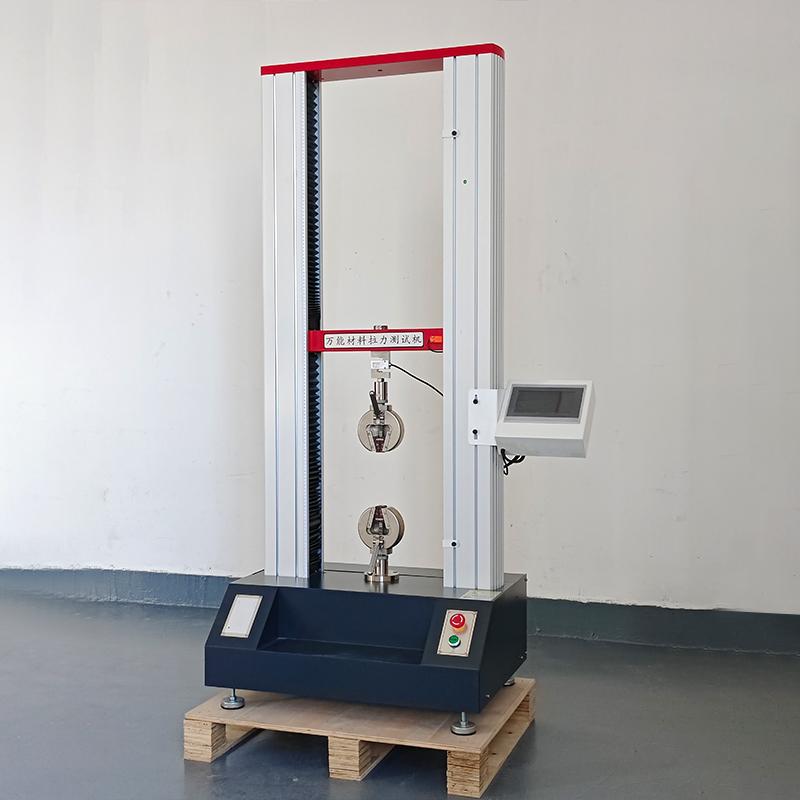
Operational precautions
1. Verify permissions before operation and update the software regularly to ensure stability
2. Do not interrupt or change parameters at will during collection to avoid data distortion
3. The original data is not modified at will, and a copy is used for secondary analysis
4. Regularly back up data to meet traceability requirements.
In summary, standardized operation of tensile testing machine software is the key to ensuring data reliability. Through accurate collection, scientific analysis, and standardized export, it can improve test efficiency, ensure compliance with results, and provide support for material quality judgment and R&D verification.