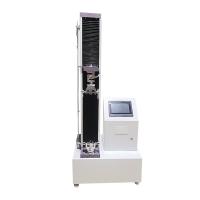
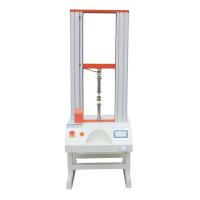
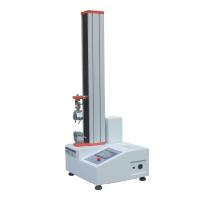
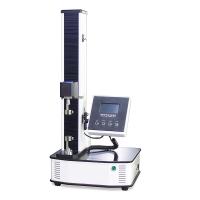
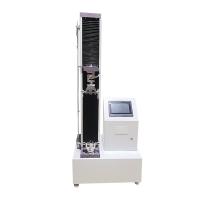
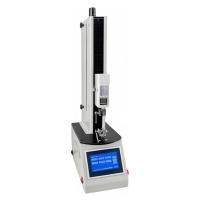
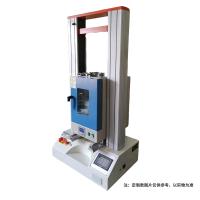
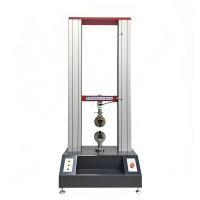
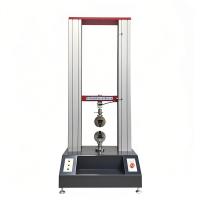
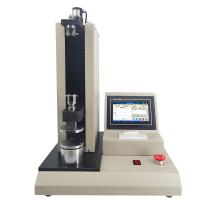
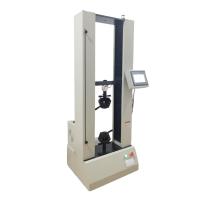
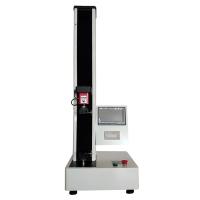
The tensile testing machine is the core equipment for material mechanical property testing, which is widely used in tensile, peeling, tearing and other tests. During the test, there are risks such as fixture slippage, specimen breakage and splashing, equipment overload, and misoperation, which can damage sensors, fixtures and transmission mechanisms, and cause scratches and impact injuries at worst. Establishing and strictly implementing safety operation specifications is the basis for ensuring the smooth progress of the test and protecting the safety of personnel and equipment. This paper systematically sorts out the key points of safety operation of tensile test from the three links before, during and after the test, and guides the standardized operation.
Pre-test examination
Before starting the machine, a comprehensive inspection of the equipment should be carried out to confirm that the power supply, emergency stop button, limit device, and protective door are normal and effective. Check the clamps, jaws, and screws for looseness, wear or deformation, and clean the countertop debris. Choose the appropriate fixture according to the material and size of the specimen to ensure reliable clamping. Confirm that the force value, displacement and other parameters are within the range of measurement, and it is strictly forbidden to over-range test. Preheat and calibrate the equipment to ensure stable operation.
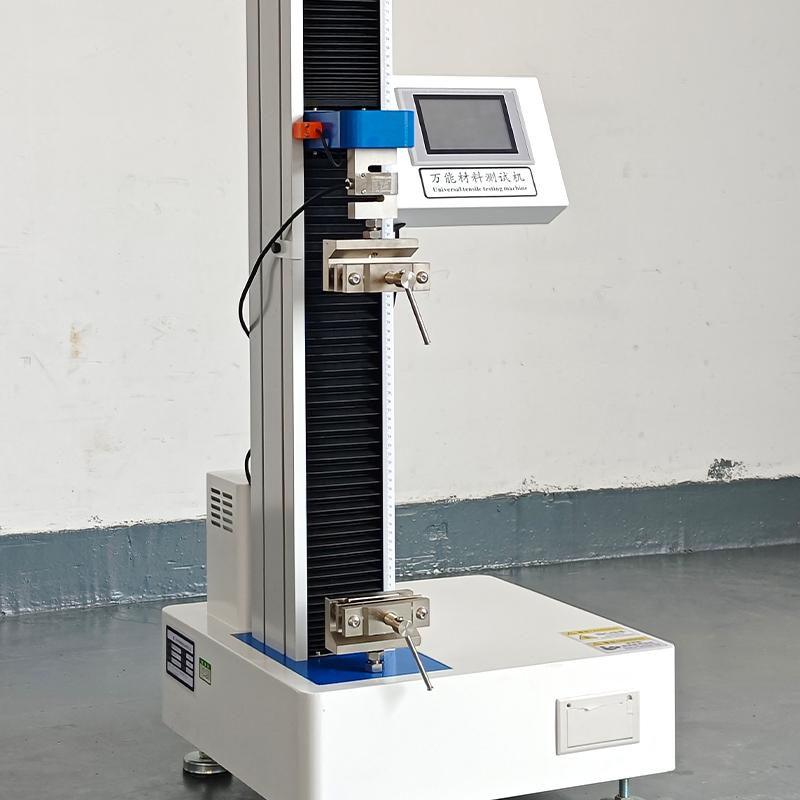
Specimen clamping is safe
When clamping the specimen, keep your hands away from the clamping area of the fixture to prevent pinching. The specimen should be placed in the center and vertically to ensure that the stress axis is consistent with the loading direction of the equipment. The clamping force is moderate to avoid slipping too loosely or too tightly pinching the specimen. Before testing brittle and high-strength materials, it is necessary to confirm that the protective door is closed to prevent fragments from splashing and injuring people after fracture. The state and size of the same batch of specimens are consistent to avoid equipment impact caused by abnormal specimens.
Test process control
When setting parameters, strictly follow the standards, unify the loading speed and shutdown conditions, and prohibit arbitrary modification. After starting the test, personnel should not approach the clamp and moving area, and do not touch the moving parts such as beams and screws. During the test, the force value curve and the state of the specimen were closely observed, and abnormal noises, jitter, offset, slippage and other abnormalities were immediately stopped. It is strictly forbidden to open the protective door during the test operation, and do not cross or rely on the equipment. When an overload or limit alarm is found, press emergency stop first and then investigate the cause.
Abnormalities and emergency treatment
In the event of specimen slippage, fracture splashing, or loosening of the fixture, the machine should be stopped immediately and the power should be cut off. The fault of the fixture needs to be adjusted after complete shutdown and discharge, and maintenance with load is prohibited. When the equipment is overloaded or the sensor is abnormal, stop the test and check the parameters and specimens. If a person suffers a minor injury such as a scratch or impact, he should stop the machine first and then treat the wound, and seek medical attention in time if the situation is serious. All abnormalities need to record the causes and treatment measures, and the test can be restarted after eliminating hidden dangers.
Post-test maintenance
After the test, the beam is reset, the specimen fragments and debris are cleaned, and the equipment is kept tidy. Clean, rust and lubricate clamps, jaws, and screws to extend service life. Turn off the power supply of equipment and supporting computers, and organize tools and test areas. Export and back up data in a timely manner, and fill in device usage records and security records. When not in use for a long time, do a good job of dust and moisture protection, and carry out regular maintenance and measurement calibration.
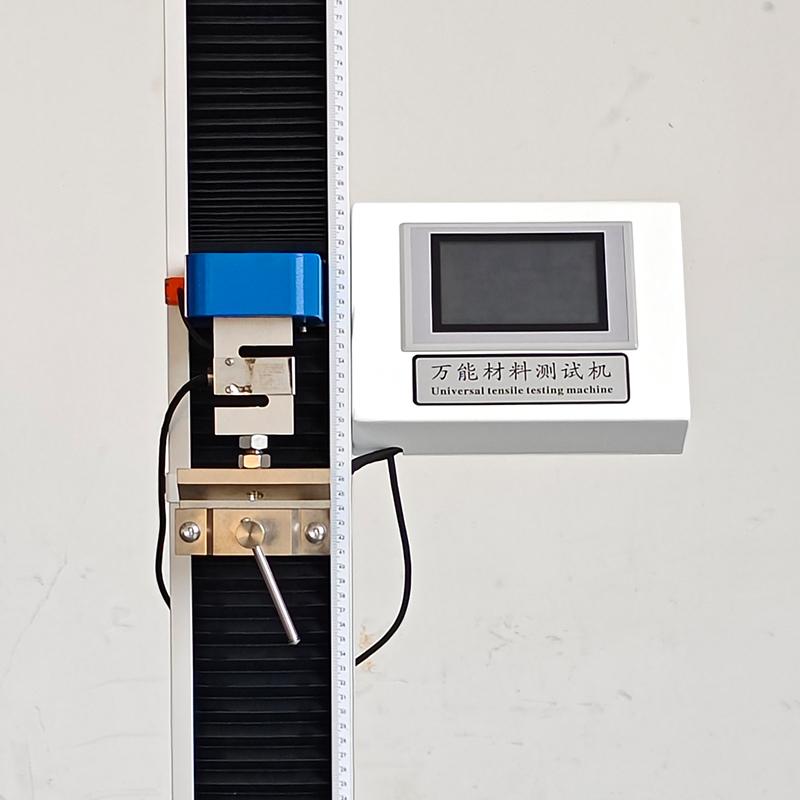
summary
The core of tensile test safety lies in "pre-prevention, process control, and post-standardization". Strictly abide by the safety operation specifications, which can not only effectively avoid equipment failures such as fixture damage, sensor overload, mechanism impact, etc., but also reduce specimen splashing, hand pinching, impact and other personnel injuries from the source. Testers should strengthen safety awareness, be proficient in equipment structure and emergency methods, achieve standardized operation and safety testing, and provide stable and reliable guarantee for material testing work.