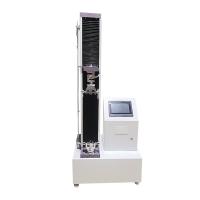
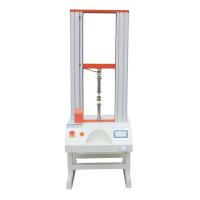
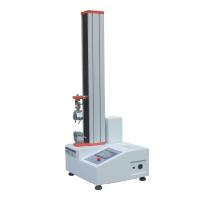
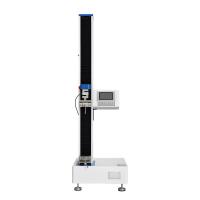
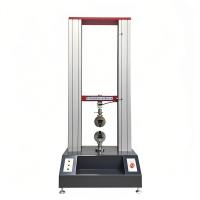
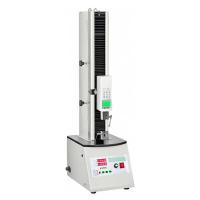
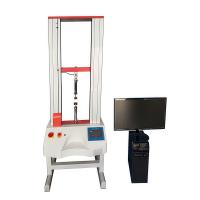
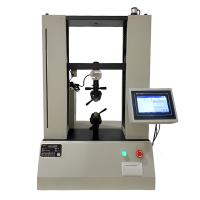
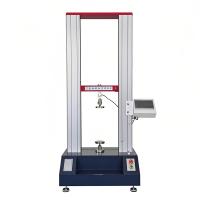
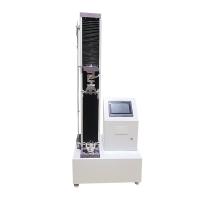
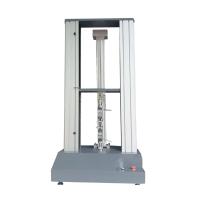
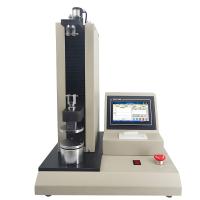
As a precision measuring equipment, the long-term stability of the tensile testing machine depends not only on the manufacturing quality of the equipment itself, but also on daily meticulous maintenance. Many lab equipment failures are not caused by natural aging of components, but by the accumulation of dust, poor lubrication, or minor damage. Establishing a scientific, periodic maintenance list is the key to ensuring data accuracy and extending the life of equipment. The following is a summary of the core maintenance points from the three time dimensions of daily, weekly and monthly.
1. Daily maintenance: starting with cleanliness and ending with returning to its place
Daily maintenance is the basis of preventive maintenance and should be performed before the start-up of the day and after the last test is completed, taking no more than 10 minutes in total, but avoiding most common failures.
Cleaning before and after the test:Use a dust-free cloth dipped in anhydrous ethanol and carefully wipe the clamping tooth surfaces of the upper and lower clamps. Residual debris, oil, or broken specimen fragments can cause slippage or uneven force on the next clamping. At the same time, clean up the scattered specimens on the base and the surrounding ground to prevent them from getting involved in the transmission mechanism.
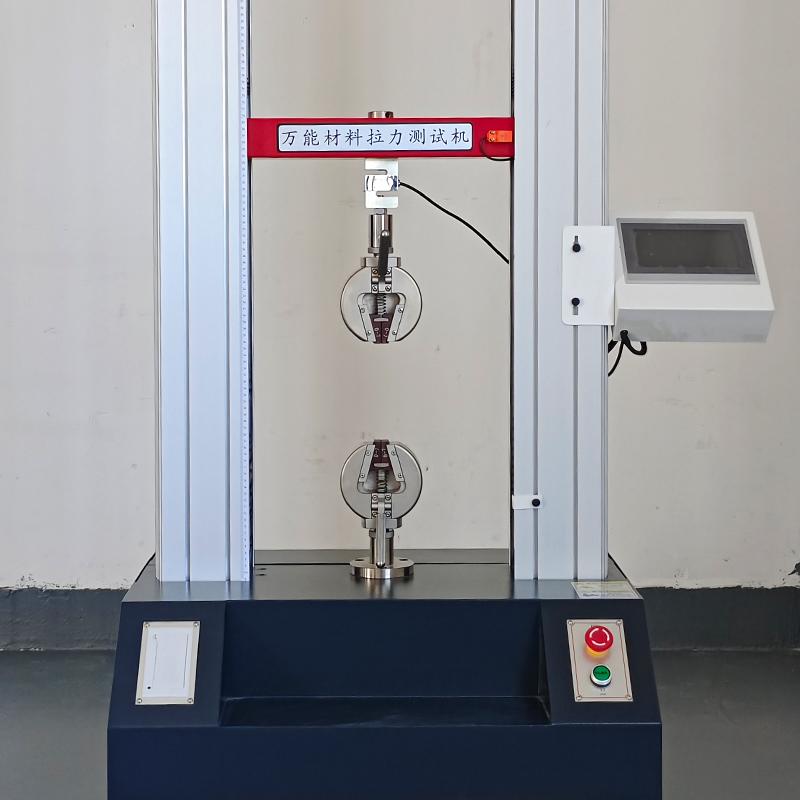
Lead screw and column inspection:Visually inspect the exposed parts of the ball screw for dust or hard particles attaching to them. Gently stroke the surface of the lead screw with your hand (note that the device is powered off) and feel for abnormal wear or burrs. For models that use hydraulic clamping, check whether there is oil leakage at the oil circuit joint of the fixture.
Emergency stop and limit function verification:In the low-speed operation state of the equipment without load, the emergency stop button is manually triggered to confirm that the beam stops immediately. At the same time, check whether the upper and lower limit protection set in the software is effective, which is the last line of defense to prevent damage to the sensor due to crash due to misoperation.
2. Weekly maintenance: deep cleaning and accuracy verification
Weekly maintenance focuses on overlooked hidden areas and quick verification of critical performance, and is recommended to be scheduled after the last test of the week.
Lubrication of transmission components:For transmission parts such as lead screws and guide rails, apply an appropriate amount using a special lithium-based grease or lubricating oil specified in the equipment manual. Start the equipment to run several cycles without load to distribute the grease evenly. Note that the amount of lubricating grease is not the better, and excessive grease is easy to absorb dust and form sludge.
Force value zero point drift check:When the fixture is fully unloaded and the fixture is released, the observing force value shows whether the window is stable and resets to zero. If there is a small drift (usually not more than ±0.1% of the full scale), the zeroing operation can be performed through the software. If the drift is large or frequent, contact the engineer for internal calibration.
Integrity check of accessories:Take out spare clamps, indenters, bending bearings and other accessories and check for deformation, cracks or rust. Especially for threaded attachments, check whether the threads are intact and apply a small amount of anti-rust oil.
3. Monthly maintenance: system physical examination and parameter calibration
Monthly maintenance is a relatively comprehensive system physical examination, which requires a relatively complete amount of time, combined with the equipment self-inspection function and external standard parts.
Accuracy calibration verification:Use a standard force gauge certified by measurement to check the force value of the testing machine. Select 3 to 5 test points (such as 20%, 40%, 60%, 80% of the full scale) within the equipment range, and record the deviation between the displayed value of the device and the standard value. According to the formula δ = (Fshown - FStandard) / FStandard × 100% Calculate the relative error to ensure it exceeds the accuracy level specified by the device (typically ±0.5% or ±1%). If it is out of order, software correction or hardware adjustment is required.
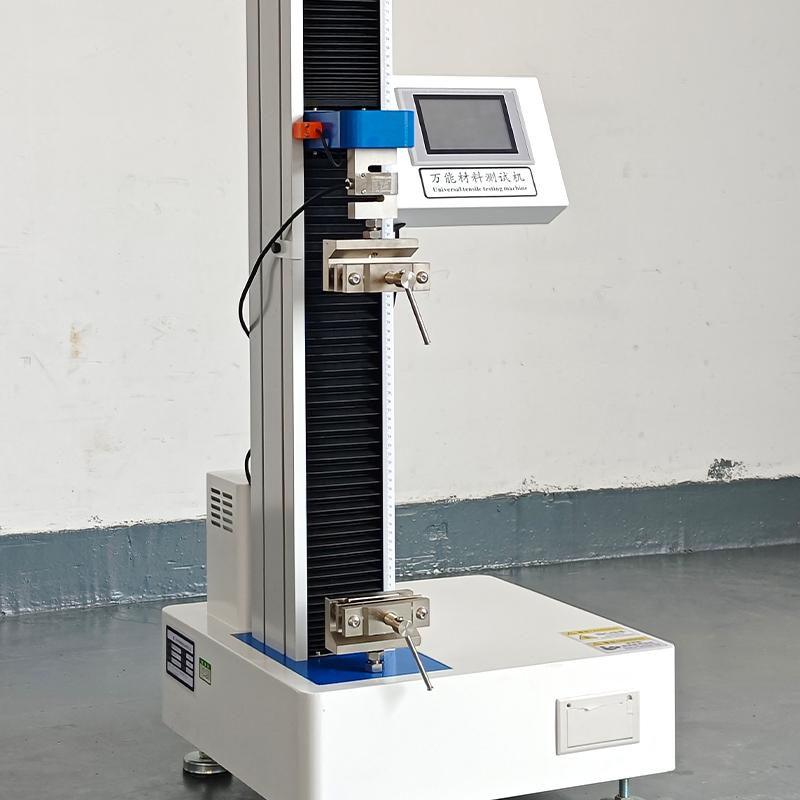
Electrical and Connection Checks:Turn off the main power supply and check the power cord plug for signs of loose or overheating oxidation. Open the electrical control cabinet (professional qualification required), check whether the internal terminal blocks are firm, whether the cooling fan is running normally, and remove the internal dust accumulation.
Observation of beam movement stability:Set a lower speed (such as 1mm/min) and a higher speed (such as 100mm/min) to observe whether the movement of the beam throughout the travel range is uniform and smooth, and whether there is abnormal noise or crawling. Crawling often indicates that the parameters of the servo motor control system need to be optimized or that there is uneven resistance in the mechanical transmission.
Software Data Backup:Archive important test data, operator set parameters, and equipment calibration factors for the past month. This is not only a need for data management, but also an important guarantee for the rapid recovery of equipment after encountering computer failure.
Following the above periodic maintenance list and changing passive maintenance to active maintenance can significantly improve the uptime and test reliability of the tensile testing machine. Maintenance is like a daily conversation with equipment, and every meticulous inspection pays off in terms of data stability.