The rheology of Coating refers to the deformation characteristics of Coating under the action of external force, including viscosity, shear stress and shear rate. Commonly used Coating rheology measurement methods include swirl/spin viscosity measurement, shear rheology measurement and vibration measurement.
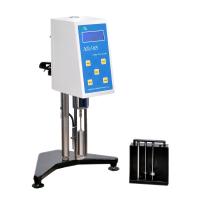
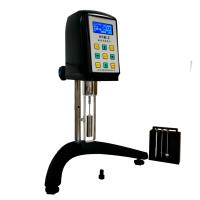
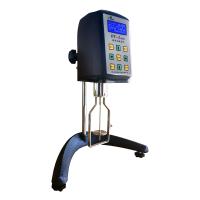
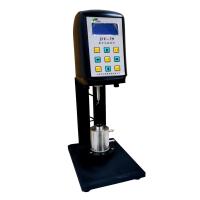
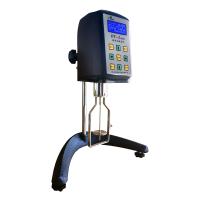
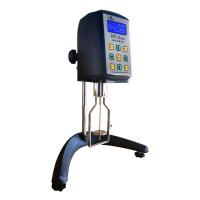
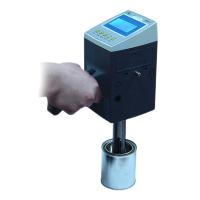
Swirl/spin viscosimetry is a commonly used method for determining the viscosity and rheology of Coatings. It measures the viscosity and shear stress of Coatings by applying shear force to a cylindrical rotor in a swirl/spin Coating sample tank. This method can determine the viscosity and rheological properties of Coatings at different shear rates.
Shear rheology measurement is a method of measuring the rheology of Coatings by applying different shear stresses and shear rates. This method usually uses swirl/spin or vibrational shear mode to measure the deformation characteristics of Coatings at different shear stresses and shear rates.
Vibration measurement is a rapid method for measuring the rheological properties of Coatings, which can measure the dynamic modulus, loss modulus and viscous resilience of Coatings. This method uses resonant vibration measurement equipment to analyze the rheological properties of Coatings through the vibration characteristics of Coating samples.
In conclusion, different Coating rheology determination methods are suitable for different types of Coatings and specific test needs. When conducting Coating rheology testing, it is necessary to select appropriate test methods and test instruments to ensure the accuracy and Reliability of test results. At the same time, attention should be paid to sample prepative and control of test conditions during the test process to improve test accuracy and repeatability.