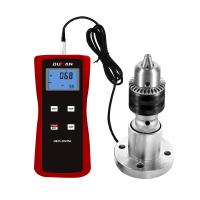
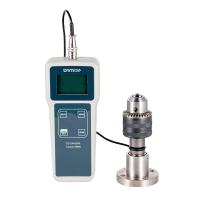
Bottle cap torque testing is a fundamental and important packaging quality control project in the beverage industry, mainly used to control the tightness of the cap to prevent leakage, flatulence, or stiffness or crushing when opening the cap. Many people think this test is simple and can be done casually, but in reality, most issues with inaccurate data and large discrepancies between parallel samples are caused by improper operational details.
Before testing, first confirm that the torque meter is within the validity period of the calibration and that the equipment is in normal condition. Thoroughly clean water stains, beverage residues, and oil stains from the fixture surface. Dirt and wear are the most common causes of clamping slippage, directly lowering the torque value. The sample to be tested must be kept at room temperature in advance to maintain a uniform ambient temperature. The hardness of plastic bottle caps and bodies changes with temperature, especially for carbonated drinks. The standing time and internal pressure vary, causing huge differences in the force at the moment of opening, and the data simply don't match. After fully preheating the device after powering on, perform a reset and replace the adapter chuck according to the cap size, adjust the coaxiality correctly, and avoid further eccentric force.

When clamping samples, make sure the bottle body is vertically centered, the clamp head fits perfectly against the outer wall of the cap, and the entire ring bears even force. Common on-site errors include misaligned clamping, one-sided contact, and eccentric clamping, which generate extra friction and result in inflated torque values, which are completely inaccurate as references. Use moderate firmness to secure the bottle body; clamp it tightly without deformation, and avoid excessive compression. It is strictly forbidden to loosen the bottle cap to release pressure in advance; the original sealing state must be maintained at the factory to ensure consistent testing conditions for each sample.
The entire test uses low-speed, uniform rotation to simulate the smooth state of manual lid opening, and does not allow rapid or forceful twisting or impact operations. The equipment automatically captures the peak torque of the lid opening, and each sample group conducts multiple parallel tests. If the clamp slips, the bottle twists, or the cap is compressed or deformed during testing, the data will be immediately invalidated, and a new sample must be used for retesting. Recording is not allowed.
After testing, carefully record data and test conditions, clean any residual liquid from the fixture, and keep the equipment clean and dry. In routine inspections, eccentric clamping, unstable rotation speed, inconsistent sample temperatures, fixture wear, and pressure differences inside bottles are all core causes of data fluctuations. Only by standardizing each step can torque data be authentic and highly repeatable, meeting batch quality control and factory inspection requirements.