(1) phenomenon
The pigment of the original topcoat (referring to red, brown and yellow topcoat) on the surface to be repaired penetrates (or dissolves) into the repaired topcoat, and the phenomenon of discoloration of the surface coating film is called bleeding (Figure 9-3) , often occurs in occasions where light-colored topcoats are applied.
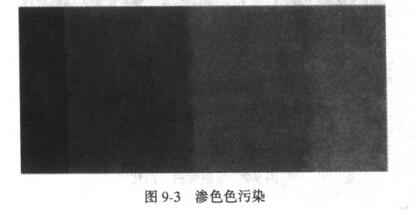
The coloring matter attached to the bottom layer penetrates or penetrates into the top coat, and the phenomenon of heterochromatic spots is called bottom layer pollution.
(2) Reason analysis
① The surface to be repaired (bottom layer) is polluted by paint with a color that tends to bleed (such as paint mist).
②The Spray Gun is not cleaned.
③The type of topcoat used is not compatible with the old paint surface, and the old paint surface has not been properly sealed.
④ Primer paint is contaminated by materials that are prone to bleeding.
⑤ The thinner used for the top coat has too strong solvency.
(3) Preventive measures
① Do not let the paint mist of the color that is easy to bleed fall on other work objects.
②Effective cleaning of all equipment, especially the Spray Gun.
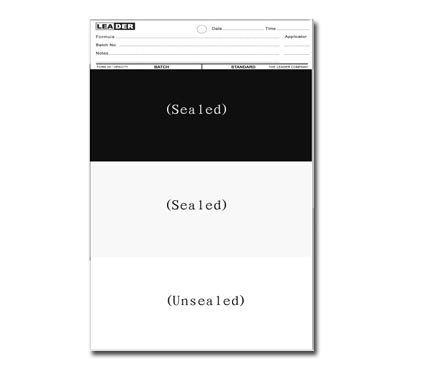
③Before spraying the whole vehicle, spray a full layer of color paint on a small area that has been surface prepared and leveled to test the adaptability (compatibility) of the original paint film to be repaired. color, seal it with an anti-seepage primer.
④ The primer must not be mixed with other paint components.
⑤ If it is a self-colored or light-colored topcoat, an intermediate coating with a similar color to the topcoat should be used (the commonly used intermediate coating is gray).
⑥ The curing agent used in putty putty should not be excessive (the use of excessive curing agent will make the yellow putty layer aggravate and make it difficult to cover, showing very good pollution defects). (Related instrument: hiding power paper)
(4) Remedy
When bleeding begins to occur after multiple coats of primer and topcoat have been applied, the defective coating will need to be completely removed, reworked from the bare substrate, and repainted.
If bleeding occurs after the initial primer or topcoat is sprayed, it can be isolated with an anti-seepage primer.